Oral Fixation Chew Toys: What You Need to Know
Roon Team
Oral Fixation Chew Toys: What You Need to Know (and What Actually Works)
Oral fixation chew toys have become a growing product category for adults who need something in their mouth to think, focus, or simply calm down. You chew pen caps. You gnaw on toothpicks. You've shredded the inside of your cheek during a stressful meeting without even realizing it. If any of that sounds familiar, you've got company.
But here's the thing most product roundups won't tell you: not all oral fixation chew toys are equal. Some just give your jaw something to do. Others actually deliver a cognitive benefit while they're at it. The difference matters.
Key Takeaways
- Oral fixation is neurological, not just a bad habit. Your brain uses oral stimulation to regulate stress and sustain attention.
- Oral fixation chew toys for adults range from silicone necklaces to functional pouches, each with different trade-offs in discretion, durability, and actual benefit.
- Chewing has measurable effects on cortisol and alertness, backed by peer-reviewed research.
- The best oral fixation solution does double duty: satisfies the physical need and supports your brain.
Why Adults Develop Oral Fixations (and Reach for Oral Fixation Chew Toys)
The Freudian explanation (unresolved issues from the "oral stage" of infancy) gets trotted out a lot, but the modern understanding is more nuanced. Oral fixation occurs when comfort and safety become associated with the physical experience of the mouth. Over time, the brain learns that actions like chewing or sucking provide a form of self-soothing.
These habits can become automatic, functioning as a way to calm anxiety without conscious thought. Developmental differences like sensory processing sensitivities or neurodevelopmental conditions such as ADHD make oral fixation even more common, which is why oral fixation chew toys have found such a wide audience.
The behaviors show up everywhere. Common oral fixation signs in adults include smoking, gum chewing, overeating, and chewing on pens, pencils, or other objects. Nail biting belongs on that list too.
The point is simple: your mouth is wired to your stress response. Oral stimulation isn't a character flaw. It's a regulatory mechanism your nervous system developed for a reason, and oral fixation chew toys exist to work with that wiring rather than against it.
The Science Behind Chewing and Stress Relief
This isn't just anecdotal. Researchers have measured what happens in your body when you chew, which helps explain why oral fixation chew toys are more than a novelty.
A study published in PubMed found that salivary cortisol levels were reduced by chewing compared to controls, with the reduction observed during chewing over a 10-minute period. Cortisol is your primary stress hormone, so a measurable drop from something as simple as chewing is notable.
Another study on chewing rate and cortisol reported that salivary cortisol levels dropped by 4.7%, 14.6%, and 16.2% with slow, habitual, and fast chewing, respectively. Faster chewing produced a bigger stress reduction, a finding that supports the use of oral fixation chew toys designed for vigorous jaw engagement.
And it goes beyond stress. Chewing gum has been shown to improve aspects of cognition and mood, with sustained attention being particularly receptive to the effects of chewing. A neuroimaging review published in MDPI found that during the Attentional Network Test, chewing shortened mean reaction time by 36 ms.
So yes, the urge to chew on something when you need to concentrate isn't random. Your brain is requesting sensory input that genuinely helps it perform.
Oral Fixation Chew Toys: The Main Categories
The market for adult oral fixation chew toys has expanded well beyond baby teethers. Here's what's actually out there.
Silicone Chew Necklaces ("Chewelry")
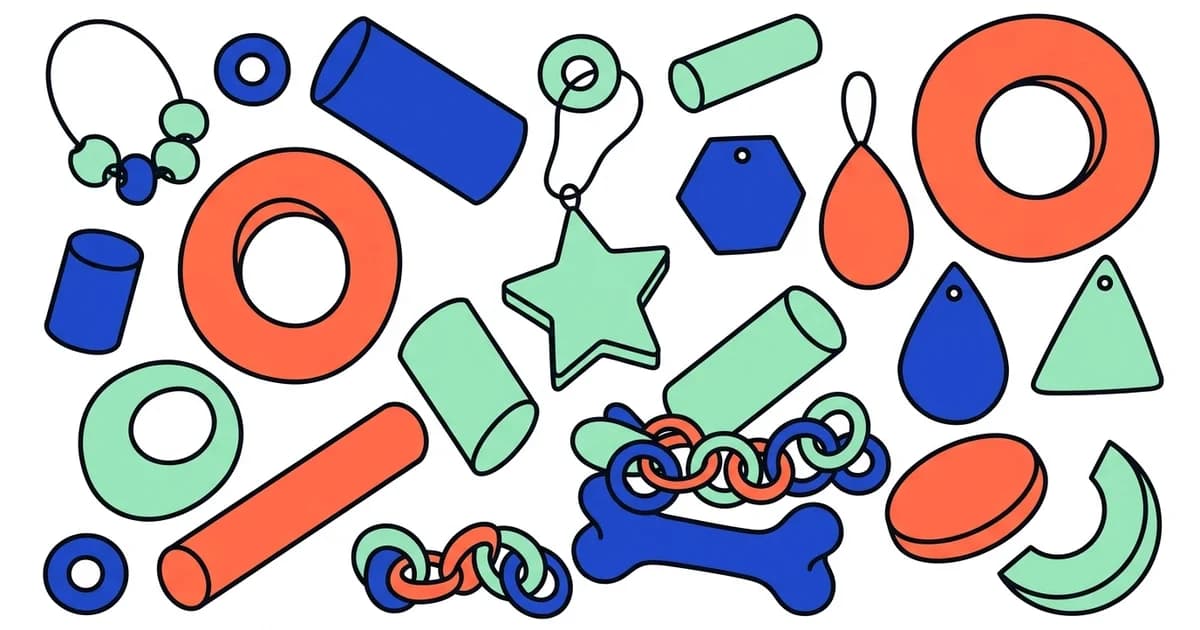
These are the most visible category of oral fixation chew toys. Companies like ARK Therapeutic and Chewigem make pendants, dog tags, and geometric shapes from food-grade or medical-grade silicone that hang around your neck.
Pros:- Discreet (they look like regular jewelry from a distance)
- Available in multiple firmness levels (soft, medium, firm, extra firm)
- Durable and easy to clean
- A helpful alternative for common chewing-related habits like tooth grinding, nail biting, stimming, and chewing on shirts, pencils, or fingers
- They provide zero cognitive benefit beyond the act of chewing itself
- Some designs still look conspicuously like oral fixation chew toys
- They wear down and need replacement every few weeks to months
Handheld Chew Tools
Think of these as the fidget spinners of the oral world. Products like ARK's Bite Saber or Guitar Chew are shaped for back-molar chewing and come in various resistance levels.
Sensory chews promote oral motor development, exercising the mouth muscles and building oral strength, endurance, mobility, and control. These oral fixation chew toys are popular in occupational therapy settings for people with autism or sensory processing differences.
Pros:- Specifically designed for therapeutic jaw exercise
- Great for people who need heavy proprioceptive input
- Hard to use discreetly in a professional setting
- No functional ingredients
Chewable Pencil Toppers
Exactly what they sound like. Silicone caps that fit over pencils and pens, giving you something safe to chew during work or study. These oral fixation chew toys are cheap, accessible, and work fine for light chewers. But they're limited to desk use and don't offer anything beyond a chewing surface.
Functional Oral Pouches
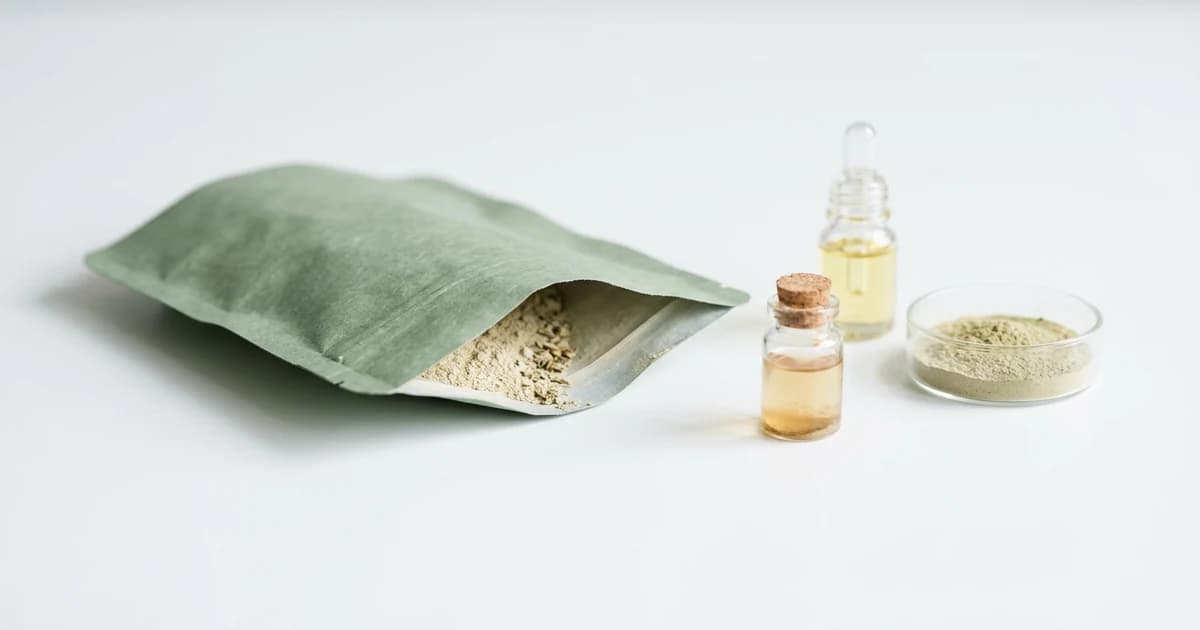
This is the newer category, and it's where things get interesting. Pouches sit between your lip and gum, giving you oral stimulation through a completely different mechanism than traditional oral fixation chew toys. Some contain nicotine. Others contain nootropic ingredients like caffeine, L-theanine, or adaptogens.
Pros:- Extremely discreet (invisible when placed)
- Can deliver active ingredients through sublingual absorption
- Satisfy the oral fixation need without visible chewing
- Nicotine-based pouches carry addiction risk
- Quality varies wildly across brands
Comparing Your Options: What Matters
| Feature | Chew Necklaces | Handheld Chews | Pencil Toppers | Functional Pouches |
|---|---|---|---|---|
| Discretion | Moderate | Low | Low (desk only) | High |
| Cognitive Benefit | None | None | None | Depends on ingredients |
| Oral Satisfaction | High | High | Moderate | Moderate to High |
| Professional Setting | Sometimes | Rarely | Sometimes | Yes |
| Replacement Frequency | Every 1-3 months | Every 1-3 months | Every 2-4 weeks | Single use |
| Active Ingredients | None | None | None | Varies by product |
The comparison reveals a clear gap. Traditional oral fixation chew toys address the mechanical need (your jaw wants something to do) but leave the neurochemical opportunity on the table. Functional pouches flip that equation, delivering active compounds while also giving your mouth something to focus on.
The Problem With "Just Chewing"
Chewing alone does reduce cortisol and improve short-term alertness. The research confirms that. But the effect is modest and temporary, which is the central limitation of most oral fixation chew toys.
The benefit of chewing was transient; after stopping the intervention, there was no longer a difference between the groups. The cognitive boost from gum chewing, for example, tends to fade within about 20 minutes.
If you're reaching for oral fixation chew toys six or seven times a day, you're getting six or seven brief windows of marginal focus improvement. That's fine. But it also means you're solving only half the problem.
The other half? Giving your brain the raw materials it needs to sustain focus for hours, not minutes.
What to Look for in Oral Fixation Chew Toys and Alternatives
If you're shopping for oral fixation chew toys or similar products to satisfy an oral fixation, here's a practical framework:
-
Safety first. Look for food-grade or medical-grade materials. If it's going in your mouth, it should be tested. Products made with medical-grade materials and third-party tested by accredited labs offer a safe alternative to chewing on nails, fingers, or other objects.
-
Match the intensity. Light chewers don't need extra-firm silicone. Heavy chewers will destroy soft oral fixation chew toys in days. Know your bite.
-
Consider the setting. A silicone necklace works at home. In a boardroom or client meeting, you need something invisible.
-
Ask what it does beyond chewing. Does the product just occupy your mouth, or does it actually contribute something to your mental state? This is the question most people skip when browsing oral fixation chew toys, and it's the most important one.
-
Avoid nicotine. Most experts in the field agree that while switching from combustible cigarettes to oral nicotine products may be a health benefit, these products still carry addiction risk. If you're not already dependent on nicotine, introducing it through a pouch is a step backward.
Beyond Oral Fixation Chew Toys: When Oral Fixation Meets Function
The most interesting development in this space isn't a better-shaped piece of silicone. It's the idea that the thing in your mouth could actually be working for you, delivering compounds that support the focus and calm you were chewing to achieve in the first place. That's the leap beyond conventional oral fixation chew toys.
Research on the combination of L-theanine and caffeine supports this approach. A study indexed in PubMed found that a combination of 97 mg L-theanine and 40 mg caffeine improved cognitive performance and increased subjective alertness compared to placebo. The two ingredients work together: caffeine sharpens attention while L-theanine smooths out the jittery edge.
Sublingual delivery (absorption through the tissue under your lip) gets these compounds into your bloodstream faster than swallowing a capsule and waiting for your gut to process it. It's the same principle that makes nicotine pouches effective, minus the nicotine.
A Pouch That Works for You
If you've read this far, you already know that your oral fixation isn't something to be embarrassed about. It's your nervous system asking for input. The real question is whether you're going to answer that request with a standard piece of inert silicone, like most oral fixation chew toys, or with something that gives back.
Roon is a zero-nicotine sublingual pouch built around a stack of Caffeine (80 mg), L-Theanine, Theacrine, and Methylliberine. It sits between your lip and gum, satisfying the oral fixation need the same way a nicotine pouch would. But instead of delivering an addictive stimulant, it delivers 6 to 8 hours of clean, sustained focus with no jitters, no crash, and no tolerance buildup.
It's not one of your typical oral fixation chew toys. It's a tool. And your mouth was looking for one anyway.
Try Roon at takeroon.com.