Neuroplasticity Exercises for Brain Injury
Neuroplasticity Exercises for Brain Injury: What Actually Works (According to the Science)
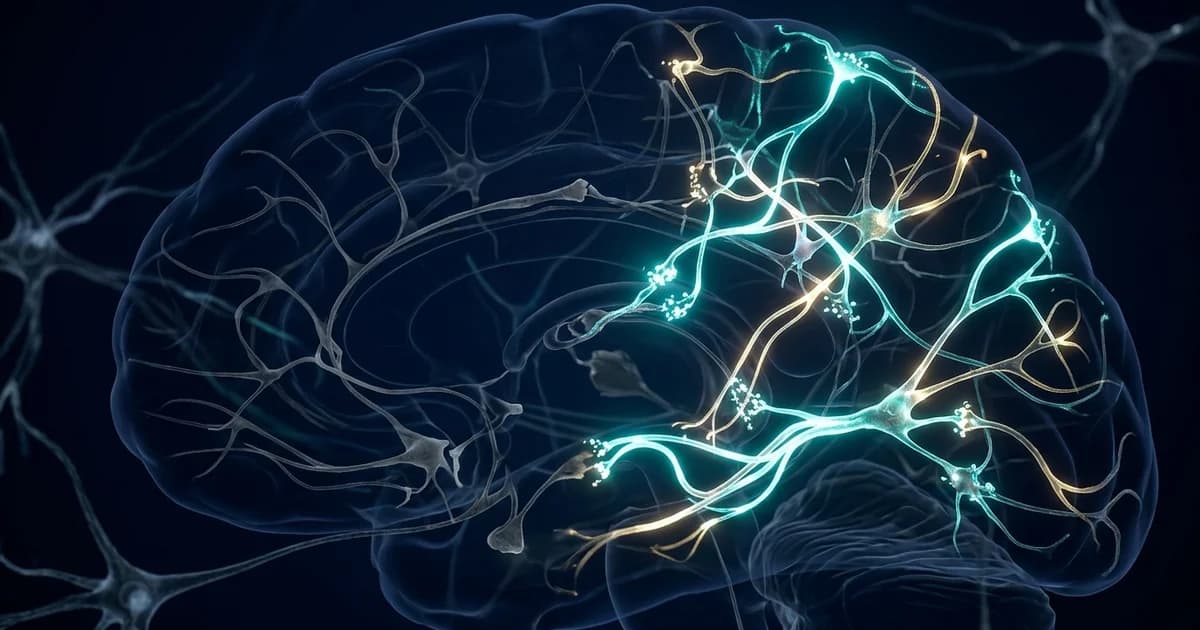
Your brain is not a fixed machine. After a brain injury, the brain reorganizes itself, reroutes signals around damaged tissue, and recruits new neural networks to pick up the slack. This process, neuroplasticity, is the biological basis of recovery. And the right neuroplasticity exercises for brain injury can accelerate it.
But most advice online reads like a wellness blog: "try puzzles!" or "learn a new language!" That's not wrong, exactly. It's just incomplete. The real question is which neuroplasticity exercises for brain injury produce measurable neuroplastic changes, and what does the clinical evidence actually say?
This article breaks down the specific categories of brain neuroplasticity exercises backed by peer-reviewed research, explains why they work at the cellular level, and gives you a framework for building a recovery-focused routine.
Key Takeaways:
- Aerobic exercise is the single most powerful driver of neuroplasticity after brain injury, primarily through BDNF production.
- Cognitive training works best when it targets the specific deficit (attention, memory, executive function) rather than "general brain games."
- Neuroplasticity exercises for anxiety and emotional regulation, like mindfulness-based protocols, produce structural changes in the amygdala.
- Consistency and intensity matter more than variety. Doing fewer things well beats doing everything poorly.
How Neuroplasticity Exercises for Brain Injury Work at the Cellular Level
The brain doesn't heal the way a broken bone does. Dead neurons don't regenerate in most regions. Instead, surviving neurons form new connections, strengthen existing ones, and sometimes take over functions they weren't originally designed for. This is called experience-dependent plasticity, and it's the mechanism behind virtually every rehabilitation strategy that works, including neuroplasticity exercises for brain injury.
Three biological processes drive it:
- Synaptogenesis: The formation of new synaptic connections between neurons.
- Neurogenesis: The birth of new neurons, primarily in the hippocampus (your memory center).
- Cortical remapping: Healthy brain regions reorganize to compensate for damaged areas.
A 2025 review published in Neuroprotection confirmed that physical exercise, cognitive stimulation, and environmental enrichment all modulate these processes. The key variable? Intensity and repetition. The brain rewires in response to demand, not passive exposure.
This is why watching TV doesn't count as cognitive training. And why "brain games" with no structured difficulty progression produce minimal transfer to real-world function. Effective brain neuroplasticity exercises require deliberate, repeated effort.
Aerobic Exercise: The Most Evidence-Backed Neuroplasticity Exercise for Brain Injury
If you could only do one thing to promote neuroplasticity after a brain injury, it should be aerobic exercise. The evidence here is overwhelming and consistent across dozens of studies, making aerobic training the foundation of any neuroplasticity exercises for brain injury program.
The mechanism is straightforward. Aerobic exercise increases production of brain-derived neurotrophic factor (BDNF), a protein that acts like fertilizer for neurons. BDNF promotes synaptogenesis, supports neurogenesis in the hippocampus, and protects existing neurons from further damage.
A review published in Frontiers in Neuroscience (2025) found that moderate-intensity aerobic exercise, performed at 60 to 70% of maximum heart rate for 30 to 40 minutes, three to four times per week, optimally stimulates BDNF production and hippocampal neurogenesis.
A meta-analysis in Stroke found that even a single session of high-intensity aerobic exercise produced a measurable increase in BDNF concentration (mean difference of 3.42 ng/mL). A program of regular high-intensity sessions showed sustained elevation, reinforcing why aerobic training ranks first among neuroplasticity exercises for brain injury.
What This Looks Like in Practice
You don't need to run marathons. The protocols that produce the strongest neuroplastic effects in brain injury populations include:
- Brisk walking (30+ minutes, 3-4x per week)
- Stationary cycling at moderate intensity
- Swimming or water-based aerobics (especially useful if balance is impaired)
- Dance-based movement programs (which add a cognitive load on top of the physical demand)
The dose matters. Sporadic exercise doesn't cut it. The studies showing real neuroplastic gains from these brain neuroplasticity exercises used consistent protocols over 8 to 12 weeks minimum.
Neuroplasticity Exercises for Memory: Targeted Cognitive Training
"Do crossword puzzles" is the most common advice for memory recovery. It's also one of the least effective.
The problem with general brain games is specificity. Neuroplasticity is use-dependent. The brain strengthens the circuits you actually use. If you want to improve working memory, you need to train working memory. If you want to improve attention, you need to train attention. This principle is what separates effective neuroplasticity exercises for memory from generic brain teasers.
Research on cognitive training after traumatic brain injury found that targeted protocols produced measurable changes in resting-state functional connectivity of cognitive control networks. The gains weren't just behavioral. They showed up on brain imaging.
Effective Neuroplasticity Exercises for Memory
| Exercise | What It Trains | Evidence Level |
|---|---|---|
| N-back tasks | Working memory capacity | Strong (multiple RCTs) |
| Spaced retrieval practice | Long-term memory consolidation | Strong |
| Dual-task training | Divided attention + memory | Moderate |
| Errorless learning protocols | Procedural and declarative memory | Moderate (TBI-specific) |
| Story recall with increasing delay | Episodic memory | Moderate |
The key principle: progressive overload. Just like physical exercise, neuroplasticity exercises for memory need to get harder over time. If you can complete a memory task easily, it's no longer driving plasticity. You need to work at the edge of your ability.
Spaced repetition is especially worth highlighting for memory recovery after brain injury. By reviewing information at increasing intervals, you force the hippocampus to consolidate and reconsolidate memories, strengthening the neural pathways each time. This makes spaced repetition one of the most reliable neuroplasticity exercises for brain injury targeting cognitive recovery.
Neuroplasticity Exercises for Anxiety and Emotional Regulation
Brain injuries don't just affect cognition. Up to 50% of TBI survivors develop anxiety or mood disorders in the years following injury. And the neural circuits involved in emotional regulation are themselves plastic, which means neuroplasticity exercises for anxiety can retrain them.
Research on cognitive behavioral therapy (CBT) for anxiety disorders demonstrated that structured therapy simultaneously changed both the physical structure and the neurofunctional response of the amygdala. That's not a metaphor. The amygdala, your brain's threat-detection center, literally shrank in volume and became less reactive after treatment.
A 2024 study in Translational Psychiatry found that mindfulness-based interventions induced neuroplastic changes in the executive control, default mode, and salience networks, bringing participants' brain configurations closer to healthy baselines. These findings validate neuroplasticity exercises for anxiety as a clinical tool, not just a self-help strategy.
Practical Neuroplasticity Exercises for Anxiety After Brain Injury
- Structured mindfulness meditation (minimum 10 minutes daily, ideally 20+). The evidence on meditation and BDNF shows that consistent practice increases production of this growth factor, supporting neuroplasticity beyond just emotional regulation.
- Diaphragmatic breathing protocols. These directly modulate vagal tone and reduce amygdala reactivity.
- Exposure-based exercises (with professional guidance). Gradual, controlled exposure to anxiety triggers rewires the fear circuitry through extinction learning.
- Body scanning and interoceptive awareness training. These rebuild the connection between physical sensation and cognitive interpretation, a link often disrupted by brain injury.
The common thread: all of these neuroplasticity exercises for brain injury work by repeatedly activating the prefrontal cortex's regulatory control over the amygdala. Each repetition strengthens that circuit. Over weeks and months, the default pattern shifts from reactivity to regulation.
Motor Rehabilitation: Constraint-Induced Movement Therapy
For brain injuries affecting motor function, constraint-induced movement therapy (CIMT) remains one of the most well-validated neuroplasticity-based interventions.
The concept is simple, even counterintuitive. You restrain the unaffected limb, forcing the brain to use (and rebuild neural pathways for) the impaired one. Research published in Frontiers in Neurology confirmed that CIMT produces marked neuroplastic changes in both the structure and function of the central nervous system.
CIMT protocols have been applied successfully beyond stroke recovery. They've shown comparable or better results in traumatic brain injury and multiple sclerosis populations. As one of the most studied brain neuroplasticity exercises for motor recovery, CIMT illustrates a core principle.
The principle at work here is the same one underlying every neuroplasticity exercise for brain injury on this list: force the brain to do something difficult, repeatedly, and it will rewire to meet the demand.
Building a Neuroplasticity Exercises for Brain Injury Protocol: The Framework
Knowing which exercises work is only half the equation. The other half is structure. Here's a framework for organizing your neuroplasticity exercises for brain injury based on the evidence:
Daily non-negotiables:
- 30 minutes of moderate aerobic exercise
- 10 to 20 minutes of mindfulness or breathing practice
3 to 4 times per week:
- 20 to 30 minutes of targeted cognitive training (matched to your specific deficit)
- Motor rehabilitation exercises (if applicable)
- One novel learning activity (a new skill, route, or problem type) to promote cortical remapping
The rules that make neuroplasticity exercises for brain injury work:
- Consistency over intensity. Five moderate sessions beat one extreme session. Neuroplasticity is a cumulative process.
- Progressive difficulty. If it feels easy, increase the challenge.
- Sleep is non-negotiable. Synaptic consolidation, the process that locks in neuroplastic changes, happens during deep sleep. Skimp on sleep and you erase your gains.
- Pair physical and cognitive training. Exercise primes the brain for learning by flooding it with BDNF. Do your cognitive work within two hours of your aerobic session for maximum effect.
Supporting Neuroplasticity Exercises for Brain Injury at the Chemical Level
Every neuroplasticity exercise for brain injury on this list works by changing brain chemistry. Aerobic exercise increases BDNF. Cognitive training strengthens synaptic connections through long-term potentiation. Mindfulness modulates cortisol and amygdala reactivity.
The same neurotransmitter systems that drive these changes, specifically adenosine, dopamine, and acetylcholine pathways, can also be supported through targeted supplementation.
A study published in Nutritional Neuroscience found that the combination of L-theanine and caffeine improved accuracy during cognitive task-switching and increased subjective alertness, while reducing tiredness. A randomized crossover trial found that combining caffeine with theacrine and methylliberine increased cognitive performance and reaction time without interfering with mood.
This is the exact stack behind Roon: 80 mg caffeine, L-theanine, theacrine, and methylliberine, delivered sublingually for faster absorption. No nicotine. No jitters. No crash. Just the neurochemical support your brain needs to get the most out of every training session.
If you're putting in the work with neuroplasticity exercises for brain injury, it makes sense to give your brain the raw materials to rewire efficiently. See the science behind Roon.