Nervous System Burnout Recovery
Roon Team
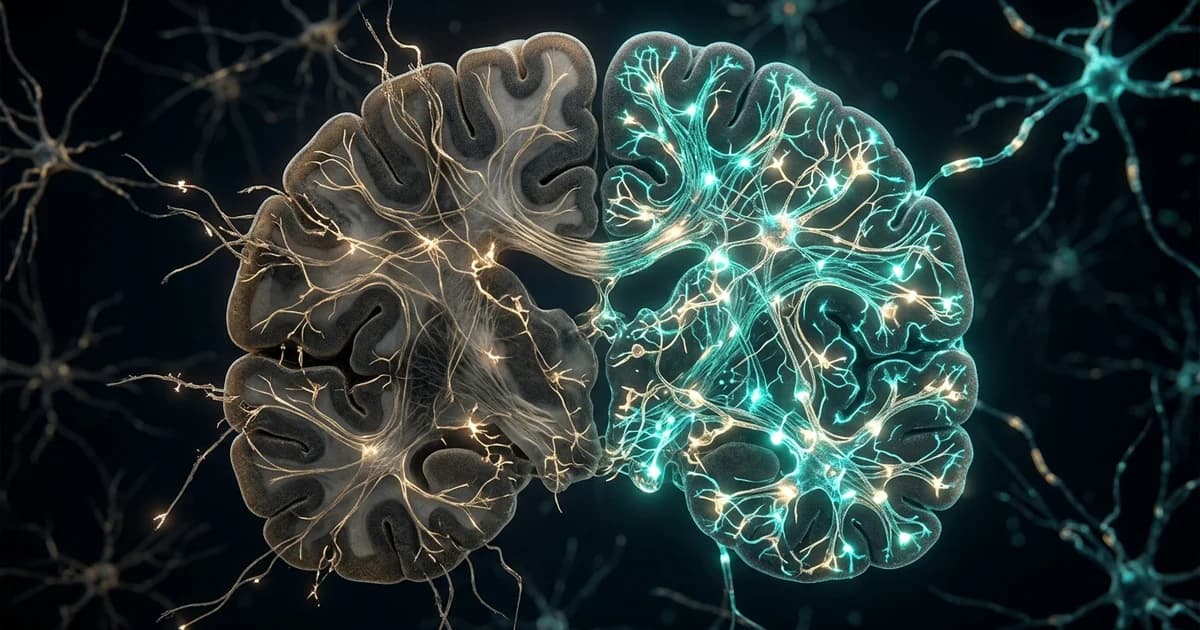
Nervous System Burnout Recovery: What's Actually Happening in Your Brain (and How to Fix It)
You're sleeping eight hours but waking up exhausted. Coffee barely registers. You can stare at a screen for twenty minutes without processing a single sentence. This isn't laziness, and it isn't "just stress." This is what nervous system burnout recovery looks like from the inside: your brain's alarm system is stuck in the on position, and the hardware responsible for focus, motivation, and emotional regulation has been running on fumes.
The term "burnout" gets thrown around casually, but the neuroscience behind it is specific and measurable. Your autonomic nervous system, the one that toggles between fight-or-flight and rest-and-digest, has lost its ability to toggle. And until you understand what's broken, nervous system burnout recovery can't begin.
Key Takeaways:
- Burnout is a measurable neurological state, not a personality flaw or a mood.
- Chronic stress physically alters your prefrontal cortex, amygdala, and HPA axis.
- Nervous system burnout recovery requires targeting the autonomic nervous system directly, not just "taking a vacation."
- Specific compounds can support the brain pathways most damaged by habitual burnout recovery patterns.
The Neuroscience Behind Nervous System Burnout Recovery: More Than Just Feeling Tired
Burnout, as defined by the World Health Organization, is an occupational phenomenon resulting from chronic workplace stress that hasn't been successfully managed. But that clinical definition undersells what's happening biologically, and why nervous system burnout recovery demands a deeper understanding.
Your brain runs on a stress-response system called the HPA axis (hypothalamic-pituitary-adrenal axis). Under normal conditions, a stressor triggers cortisol release, you deal with the threat, and cortisol levels drop back to baseline. Clean cycle. Problem solved.
Under chronic stress, that cycle never completes. Cortisol stays elevated for weeks, then months. Your brain, bathed in cortisol it can't clear, starts remodeling itself in ways that make everything worse.
According to research published on PMC, chronic stress causes structural changes in three key brain regions: the hippocampus (memory), the amygdala (threat detection), and the prefrontal cortex (decision-making and impulse control). The prefrontal cortex shrinks. The amygdala grows. You become worse at thinking clearly and better at panicking. That's not a metaphor. It's measurable on brain scans.
A report from Medical Daily cites CDC-linked research showing that prefrontal cortex volume loss from chronic stress can reduce decision-making ability by up to 40%. At the same time, dopamine receptor downregulation tanks your motivation and your capacity to feel reward from normal activities.
This is the biology of habitual burnout recovery failure. It's not that you lack willpower. Your brain's executive control center has literally gotten smaller while its fear center has gotten louder. Understanding this biology is the first real step in nervous system burnout recovery.
What Your Autonomic Nervous System Looks Like in Burnout
Your autonomic nervous system (ANS) has two main branches: the sympathetic (accelerator) and the parasympathetic (brake). A healthy nervous system shifts between the two fluidly. You ramp up for a deadline, then wind down over dinner.
In burnout, the sympathetic branch dominates. Your body stays in a low-grade fight-or-flight state even when you're lying on the couch watching TV. Heart rate variability (HRV), one of the best biomarkers for autonomic balance, drops. Sleep quality degrades because your system can't fully shift into parasympathetic mode. This autonomic imbalance is exactly what makes nervous system burnout recovery so difficult.
The vagus nerve, the longest cranial nerve in your body, acts as the main highway for parasympathetic signaling and gut-brain axis signaling. It runs from your brainstem to your gut, touching your heart, lungs, and digestive organs along the way. When vagal tone is strong, you recover from stress quickly. When it's weak, you don't.
Research published in PMC on transcutaneous vagus nerve stimulation (tVNS) found that stimulating the vagus nerve can help optimize autonomic nervous system activity and improve cognitive performance in individuals experiencing burnout. The study highlights how vagus nerve activation increases parasympathetic tone, which is exactly what's suppressed during chronic stress states and what nervous system burnout recovery must restore.
This is why "just relax" doesn't work as advice for someone in burnout. Relaxation requires parasympathetic activation. And that system is offline.
The Three Stages of Nervous System Burnout Recovery
Recovery isn't a single event. Nervous system burnout recovery follows a rough sequence, and skipping stages is why most people relapse into the same burned-out patterns within months.
Stage 1: Stop the Bleed (Acute Stabilization)
The first priority in nervous system burnout recovery is reducing the cortisol load. This doesn't mean eliminating all stress. It means removing the unnecessary stressors that keep the HPA axis firing when it doesn't need to.
Practical steps:
- Fix your sleep architecture. Not just duration, but timing. Consistent wake times matter more than total hours. Your circadian rhythm anchors cortisol's natural decline.
- Cut stimulant overconsumption. If you're drinking 400mg+ of caffeine daily just to feel baseline, you're masking the problem while deepening it. High-dose caffeine keeps the sympathetic system revved.
- Reduce decision fatigue. Every decision, no matter how small, costs prefrontal cortex resources. Automate or eliminate low-value choices.
Stage 2: Rebuild Parasympathetic Tone
Once you've stopped actively making things worse, the next phase of nervous system burnout recovery is retraining the vagus nerve and rebuilding the parasympathetic response.
The Aflac 2025 WorkForces Report found that nearly 3 in 4 U.S. employees (72%) face moderate to very high stress at work, with Gen Z now the most burned-out generation at 74% reporting at least moderate burnout. These numbers suggest that environmental fixes alone aren't enough. You need to actively train your nervous system to downshift.
Evidence-backed methods:
- Controlled breathing protocols. Physiological sighs (double inhale through the nose, long exhale through the mouth) activate the parasympathetic branch within seconds. A single five-minute session measurably lowers cortisol.
- Cold exposure. Brief cold showers or cold water immersion trigger a strong vagal response. The initial shock activates the sympathetic system, but the recovery period afterward trains parasympathetic rebound.
- Consistent low-intensity movement. Walking, not HIIT. Intense exercise is another stressor on an already overtaxed system. Zone 2 cardio (you can hold a conversation) rebuilds HRV without spiking cortisol.
Stage 3: Optimize Neurochemistry for Sustained Performance
This is where most people pursuing nervous system burnout recovery get stuck. They feel "better" after Stage 2, go back to their old workload, and crash again within weeks.
Stage 3 is about brain optimization techniques that support the brain's chemistry so it can handle high cognitive demand without tipping back into burnout. The key players here are:
- Cortisol regulation. You need baseline cortisol to function (it's what wakes you up in the morning), but the peaks and valleys need to stay within a healthy range.
- Alpha brain wave production. Alpha waves (8-12 Hz) are associated with calm focus, the state where you're alert but not anxious. Burned-out brains show reduced alpha activity and elevated beta (stress-linked) activity.
- Adenosine management. Adenosine is the molecule that builds up during waking hours and creates sleep pressure. Caffeine blocks adenosine receptors, which is why it works for alertness. But high-dose caffeine creates a rebound effect that worsens fatigue when it wears off.
Why Habitual Burnout Recovery Fails (And What to Do Differently)
The pattern is predictable. You burn out. You take a week off. You feel better. You go back. You burn out again, faster this time.
This cycle of habitual burnout recovery that never sticks happens because the underlying neurochemistry hasn't changed. A vacation doesn't rebuild prefrontal cortex volume. A spa day doesn't restore dopamine receptor density. These structural changes take weeks to months of consistent intervention, which is why real nervous system burnout recovery requires a fundamentally different approach.
The people who actually recover long-term tend to do three things differently:
- They treat nervous system burnout recovery as a daily practice, not a one-time event. Small, daily inputs to the parasympathetic system beat occasional big resets.
- They match their stimulant intake to their actual needs. Instead of flooding the system with 300-400mg of caffeine in a single sitting, they use lower, more frequent doses that support alertness without triggering a cortisol spike.
- They stack compounds that work on complementary pathways, including compounds for brain inflammation that chronic stress tends to leave behind. Caffeine alone is a blunt instrument. Paired with L-theanine, it produces a cleaner focus state because L-theanine promotes alpha brain wave activity, counteracting the jittery, anxious edge that caffeine can create. This kind of targeted support separates lasting nervous system burnout recovery from habitual burnout recovery cycles that repeat endlessly.
The Compound Stack That Targets Nervous System Burnout Recovery Pathways
Understanding the neuroscience of burnout points to a clear set of requirements for nervous system burnout recovery support: you need something that promotes focus without overstimulating an already fried sympathetic system, supports alpha wave production, and doesn't create tolerance that forces you to keep increasing the dose.
Here's what the research supports:
| Compound | Primary Action | Relevance to Nervous System Burnout Recovery |
|---|---|---|
| Caffeine (~80mg) | Adenosine receptor antagonist | Supports alertness comparable to a cup of coffee, but smoothed by L-theanine and extended by theacrine and methylliberine for 6-8 hours without a crash |
| L-Theanine | Promotes alpha brain waves, modulates glutamate | Reduces stress response while maintaining focus |
| Theacrine | Dopamine and adenosine modulation | Supports motivation and energy without building tolerance |
| Methylliberine | Fast-acting adenosine modulation | Provides quick-onset alertness that complements slower compounds |
The combination matters more than any single ingredient. L-Theanine smooths out caffeine's edge. Theacrine addresses the dopamine deficit that makes everything feel like a slog. Methylliberine provides the onset speed so you're not waiting 45 minutes to feel functional.
And the tolerance issue is worth emphasizing. One of the defining features of burnout is that your usual tools stop working. Your third coffee does nothing. Your pre-workout feels pointless. Theacrine, based on its pharmacological profile, doesn't produce the same tolerance pattern as caffeine, which means it keeps working at the same dose over time. For anyone deep in nervous system burnout recovery, that consistency matters.
Rebuilding Your Nervous System: The Long View
Nervous system burnout recovery isn't a weekend project. The structural brain changes caused by chronic stress take time to reverse. Research on neuroplasticity, including a 2025 review published in PMC, confirms that the nervous system can recover and remodel given the right conditions, but the process requires consistent inputs over weeks and months.
The good news: your brain wants to heal. Neuroplasticity works in both directions. The same mechanisms that allowed chronic stress to shrink your prefrontal cortex can rebuild it, given lower cortisol, better sleep, parasympathetic activation, and the right neurochemical support.
The playbook for nervous system burnout recovery is straightforward. Stabilize sleep. Rebuild vagal tone through breathing and movement. Support your neurochemistry with compounds that match the actual pathways involved in burnout, not just generic "energy" supplements that hammer the same overtaxed receptors. Break the habitual burnout recovery cycle by treating this as a sustained daily practice, not a crisis response.
See the Science Behind Roon
This is exactly the problem Roon was designed to address. Every ingredient in Roon's nootropic pouches, caffeine at 80mg, L-Theanine, Theacrine, and Methylliberine, maps directly to the nervous system burnout recovery pathways described above. Caffeine comparable to a cup of coffee, smoothed by L-Theanine for clean alertness. L-Theanine for alpha wave support. Theacrine for sustained motivation without tolerance buildup. Methylliberine for fast onset.
No nicotine. No crash. No jitters. Just a formula built on the neuroscience of how focus actually works in a recovering brain.