Mocktail Recipes That Actually Deserve Your Attention
Roon Team
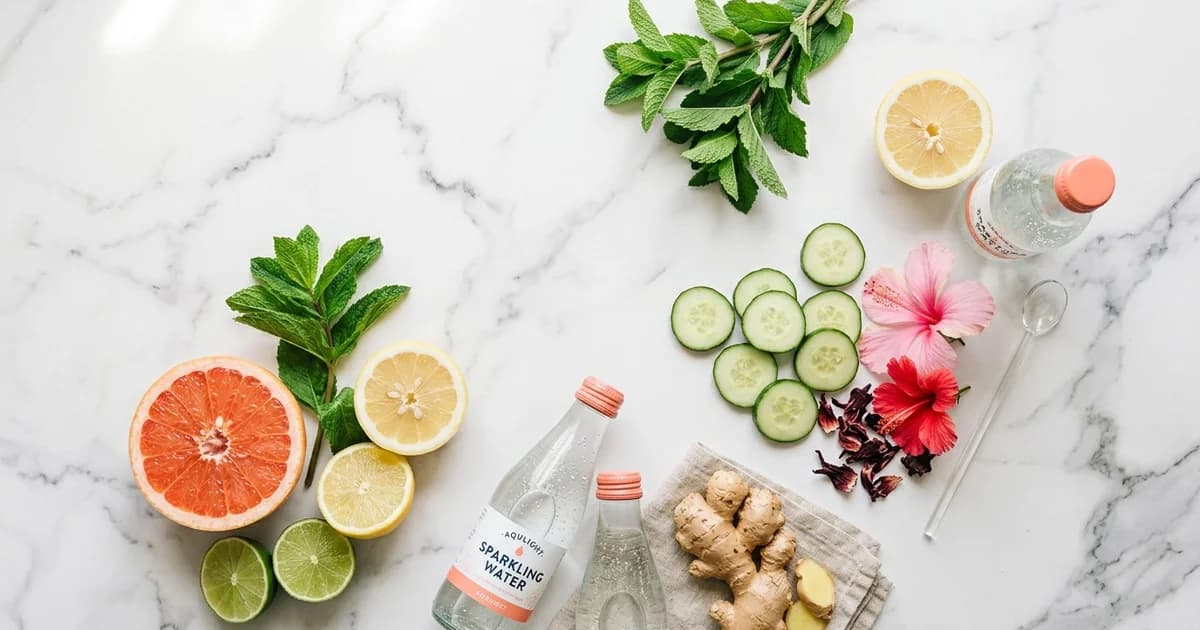
Mocktail Recipes That Actually Deserve Your Attention (And Your Glassware)
The cocktail party is changing. Not because people stopped caring about what's in their glass, but because they started caring more. Mocktail recipes have moved from the sad corner of the drinks menu (hello, Shirley Temple) to the center of serious home entertaining, weekend rituals, and even weeknight wind-downs.
And the numbers back it up. According to Circana's 2025 survey, 65% of Gen Zers plan to drink less alcohol this year, and 39% intend to go fully dry for all of 2025. Gallup reports that the drinking rate among young adults has dropped from 59% in 2023 to just 50% today. This isn't a fad. It's a generational recalibration.
So whether you're sober-curious, cutting back, or just tired of waking up foggy after two glasses of wine, this guide covers everything you need to know about making mocktail recipes that are actually worth the effort.
Key Takeaways
-
The best mocktail recipes balance acid, sweet, bitter, and texture, just like cocktails do. Skip the juice-and-soda trap.
-
Functional ingredients like adaptogens and nootropics are showing up in mocktail recipes, blurring the line between drinks and wellness tools.
-
Sugar is the hidden problem in most mocktail recipes. Keeping it low protects both your energy and your focus.
-
The mocktail recipes summer hosts love most tend to lean on fresh herbs, citrus, and sparkling bases rather than heavy syrups.
Why Mocktail Recipes Deserve the Same Respect as Cocktails
For years, ordering a non-alcoholic drink at a bar felt like a social concession. You got a soda water with lime and a sympathetic nod from the bartender. That era is over.
The non-alcoholic beverage market is projected to exceed $1.65 trillion globally by 2025, driven by health-conscious consumers and premium positioning. In the U.S. alone, non-alcoholic beer, wine, and spirits sales jumped 26% year over year, surpassing $800 million. Bartenders and home mixologists are now applying the same principles to mocktail recipes that they've always used for cocktails: balance, complexity, and presentation.
The difference between a good mocktail and a glass of fancy juice comes down to structure. A well-built drink needs acid (citrus, vinegar, shrubs), sweetness (simple syrup, honey, agave), bitterness or herbal depth (bitters, teas, botanicals), and texture (carbonation, muddled fruit, egg white alternatives). Miss one of those pillars, and you end up with something flat.
The Anatomy of a Great Mocktail
Before jumping into specific mocktail recipes, it helps to understand the framework. Think of every drink as a balance of five elements:
| Element | Role | Examples |
|---|---|---|
| Base | The body of the drink | Sparkling water, brewed tea, coconut water, non-alcoholic spirits |
| Acid | Brightness and tang | Fresh lemon, lime, grapefruit, apple cider vinegar, shrubs |
| Sweet | Rounds out sharpness | Simple syrup, honey, agave, maple, muddled fruit |
| Bitter/Herbal | Complexity and depth | Non-alcoholic bitters, tonic water, rosemary, basil, lavender |
| Texture | Mouthfeel and finish | Carbonation, muddled herbs, aquafaba foam, crushed ice |
Master this framework and you can improvise endlessly. You'll also avoid the most common mistake in mocktail-making: dumping fruit juice into sparkling water and calling it a drink.
The Best Mocktail Recipes for Every Occasion
Here's where it gets practical. These mocktail recipes are organized by situation, not by ingredient, because that's how real life works. You don't think "I have mint, what should I make?" You think "People are coming over Saturday and I need something impressive."
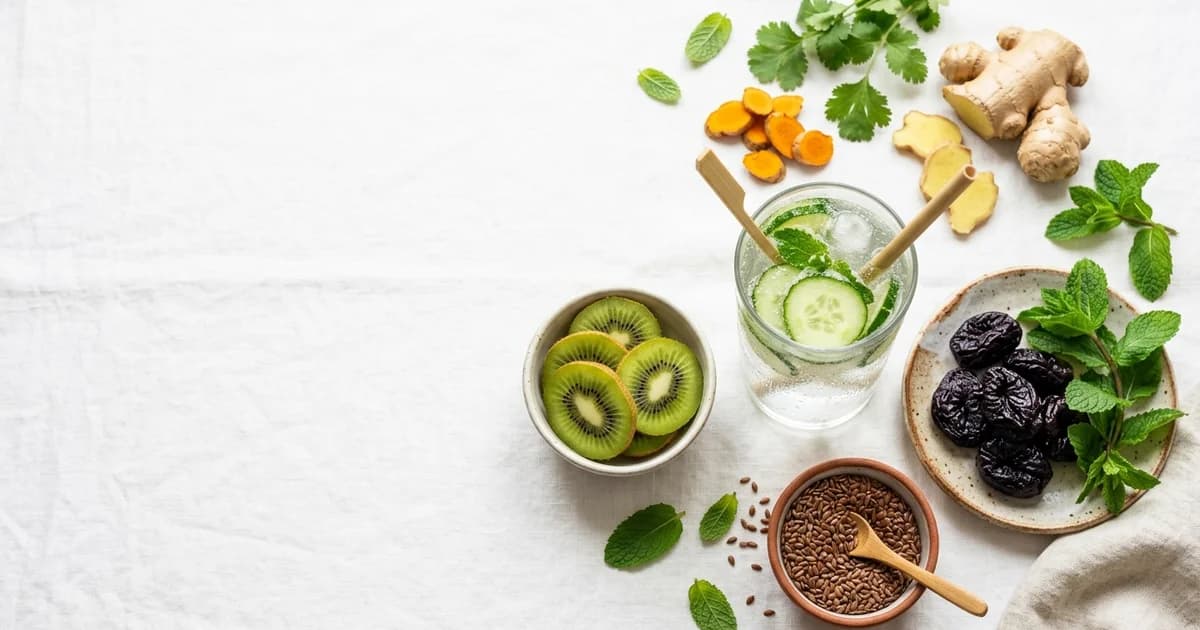
The Weeknight Reset: Cucumber Mint Cooler
This is the drink you make on a Tuesday when you want something better than water but don't want to think too hard. It's one of the best mocktail recipes for simplicity.
Ingredients:
- 4-5 slices of cucumber
- 6-8 fresh mint leaves
- Juice of 1 lime
- 1 tablespoon honey or agave
- 8 oz sparkling water
- Pinch of sea salt
Method: Muddle the cucumber and mint in the bottom of a glass. Add lime juice and honey, stir to combine. Fill with ice, top with sparkling water, and add a pinch of salt. The salt isn't optional. It amplifies every other flavor in the glass.
The Summer Crowd-Pleaser: Watermelon Basil Spritz
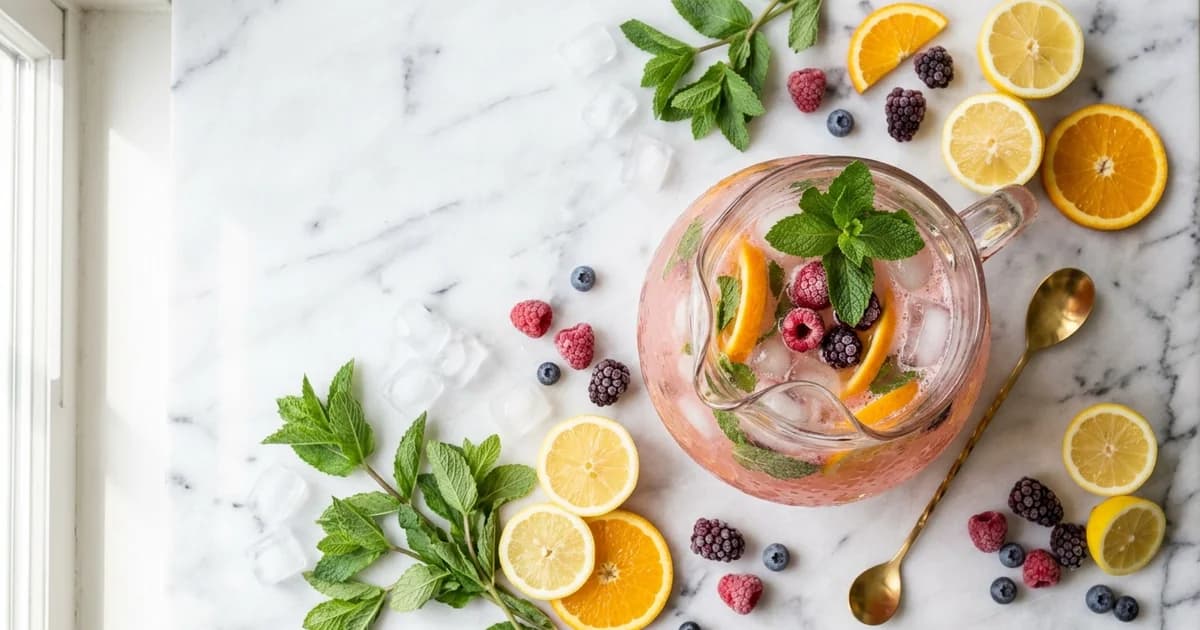
If you're looking for mocktail recipes summer gatherings will actually remember, this is the one. It looks stunning in a pitcher and scales easily for groups.
Ingredients:
- 2 cups fresh watermelon juice (blend and strain cubed watermelon)
- 1/2 cup fresh lime juice
- 1/4 cup basil simple syrup (simmer equal parts sugar and water with a handful of basil for 5 minutes, then strain)
- 16 oz sparkling water
- Fresh basil leaves and watermelon wedges for garnish
Method: Combine watermelon juice, lime juice, and basil syrup in a pitcher. Refrigerate for at least an hour. When ready to serve, add sparkling water and ice. Garnish each glass with a basil leaf and a small watermelon wedge.
This is one of the top mocktail recipes trending in 2025, and for good reason. The basil adds an herbal complexity that keeps it from tasting like a kids' drink.
The Dinner Party Opener: Grapefruit Rosemary Tonic
Sophisticated, slightly bitter, and perfect as a pre-dinner drink. Among mocktail recipes built for entertaining, this one earns its place at the table.
Ingredients:
- 3 oz fresh grapefruit juice
- 1 oz rosemary simple syrup (same method as basil syrup above, using 2-3 rosemary sprigs)
- 4 oz tonic water
- Sprig of rosemary for garnish
Method: Combine grapefruit juice and rosemary syrup in a rocks glass over ice. Top with tonic water and stir gently. Garnish with a rosemary sprig. If you want to get fancy, lightly torch the rosemary with a kitchen lighter for about two seconds. The aroma is worth the effort.
The Late-Afternoon Pick-Me-Up: Peach Ginger Fizz
When the 3 p.m. slump hits and you want something more interesting than another coffee, this ranks among the best mocktail recipes for an energy-friendly boost.
Ingredients:
- 1 ripe peach, sliced (or 3 oz peach nectar)
- 1 oz fresh lemon juice
- 1 tablespoon fresh ginger juice (grate ginger and squeeze through a fine mesh strainer)
- 1 teaspoon honey
- 6 oz sparkling water
- Dash of non-alcoholic bitters (optional, but recommended)
Method: Muddle the peach slices in a shaker or glass. Add lemon juice, ginger juice, and honey. Shake or stir vigorously with ice. Strain into a glass, top with sparkling water, and add a dash of bitters if you have them. The ginger gives this a real kick without any caffeine, and ginger-forward drink builds like this are worth exploring beyond a single recipe.
The Weekend Brunch Star: Lavender Lemonade Sparkler
Brunch mocktail recipes live or die on visual appeal. This one delivers.
Ingredients:
- 4 oz fresh lemon juice
- 2 oz lavender simple syrup (steep 2 tablespoons dried culinary lavender in simple syrup for 10 minutes, then strain)
- 12 oz sparkling water
- Fresh lavender sprigs and lemon wheels for garnish
Method: Combine lemon juice and lavender syrup in a pitcher. Add sparkling water and ice. Stir gently and serve in clear glasses so the pale purple color shows. This scales beautifully for a group and takes about five minutes to assemble.
The Sugar Trap: What Most Mocktail Recipes Get Wrong
Here's the problem nobody talks about. Most mocktail recipes online are sugar bombs. When you remove alcohol from a cocktail, the instinct is to replace it with more juice, more syrup, more sweetness. The result tastes fine in the moment but leaves you sluggish an hour later.
A systematic review published in the Journal of Clinical Medicine examined the impact of free and added sugars on cognitive function and found that high sugar intake is associated with poorer cognitive performance. Glucose and sucrose, the sugars most common in sweetened drinks, led to worse performance on cognitive tasks compared to lower-sugar alternatives, according to research in Physiology & Behavior.
So if you're making mocktail recipes to feel better than you would after drinking alcohol, loading them with sugar defeats the purpose. Here's how to keep things in check:
- Use whole fruit instead of juice when possible. Muddled strawberries have fiber that slows sugar absorption. Strawberry syrup does not.
- Cut syrup quantities in half from what most recipes suggest. You can always add more. You can't take it out.
- Add acid and bitterness to compensate. A squeeze of lime or a dash of bitters makes a drink taste more complex without adding sweetness.
- Try natural low-sugar sweeteners like a few drops of stevia or monk fruit if you want sweetness without the glucose spike.
Functional Mocktails: Where Drinks Meet Performance
The newest wave of mocktail recipes goes beyond taste. Functional mocktails incorporate ingredients designed to do something for your body and brain, not just your taste buds.
Adaptogen and nootropic-infused mocktails are gaining traction because they combine the ritual of a crafted drink with ingredients that support stress response and cognitive function. Think ashwagandha, lion's mane mushroom, L-theanine, and reishi. These functional mocktail recipes are shaping up to be some of the biggest mocktail trends of 2025.
L-theanine, the amino acid naturally found in green tea, is one of the most studied. A 2025 crossover trial published in the British Journal of Nutrition found that a combination of L-theanine and caffeine improved measures of selective attention in sleep-deprived young adults. A 2025 meta-analysis also reviewed randomized controlled trials on L-theanine and cognitive performance, noting its long history of use for supporting cognition and mood.
This is where the worlds of mixology and performance start to overlap. A matcha-based mocktail, for instance, delivers L-theanine naturally. A turmeric-ginger tonic provides anti-inflammatory compounds. Even a simple green tea and citrus spritz gives you something most cocktails never could: ingredients that may actually support how your brain works.
DIY Functional Mocktail: Matcha Citrus Focus
Ingredients:
-
1 teaspoon ceremonial-grade matcha
-
2 oz warm water (not boiling)
-
1 oz fresh orange juice
-
1/2 oz fresh lemon juice
-
1 teaspoon honey
-
4 oz sparkling water
Method: Whisk matcha into warm water until smooth and frothy. Let it cool slightly. In a glass, combine orange juice, lemon juice, and honey. Add ice, pour the matcha over the top, then finish with sparkling water. The layers look impressive, and the combination of L-theanine and natural caffeine from the matcha provides calm, sustained alertness. Of all the mocktail recipes in this guide, this one does the most for your brain.
How to Stock a Mocktail Bar (Without Going Broke)
You don't need a full bar setup to make great mocktail recipes. You need a focused one. Here's the essentials list:
The Basics:
-
Sparkling water (buy in bulk, you'll go through it fast)
-
Fresh lemons and limes
-
Honey or agave
-
Non-alcoholic bitters (Angostura makes a good one; Fee Brothers offers more variety)
The Upgrades:
-
Fresh herbs: mint, basil, rosemary (buy living plants, they last longer)
-
Tonic water (good quality, like Fever-Tree)
-
One or two non-alcoholic spirits (Seedlip and Lyre's are solid starting points)
-
Shrubs or drinking vinegars (apple cider or berry varieties work well)
The Nice-to-Haves:
-
Ceremonial-grade matcha
-
Dried culinary lavender
-
Fresh ginger root
-
Aquafaba (the liquid from canned chickpeas, used for foam and texture)
With this setup, you can make dozens of different drinks. The key is fresh citrus and good sparkling water. Everything else is a bonus. Stock these items and you'll have the foundation for mocktail recipes summer parties call for, as well as cozy winter warmers.
The Bigger Picture: What You Drink Shapes How You Think
There's a reason the shift toward mocktail recipes is happening alongside a broader interest in cognitive performance and mental clarity. Alcohol disrupts REM sleep, the phase tied to memory consolidation and emotional regulation, according to a 2024 systematic review in Sleep Medicine Reviews. A study published in the International Journal of Environmental Research and Public Health confirmed that alcohol consumption negatively affects sleep quality, which in turn leads to higher hangover severity and poorer cognitive performance the next day.
Choosing a well-made mocktail over a cocktail isn't just about avoiding a hangover. It's about protecting the quality of your sleep, your focus the next morning, and your ability to perform at your best. The top mocktail recipes give you all the ritual and none of the regret.
This is the same logic behind stacking your daily routine with tools that support sustained mental performance rather than quick hits followed by crashes. Roon was built on that principle: a zero-nicotine sublingual pouch combining caffeine (80 mg), L-theanine, theacrine, and methylliberine for 6-8 hours of clean, sustained focus. No jitters, no crash, no tolerance buildup. A study on PubMed found that this exact combination of caffeine, theacrine, and methylliberine improved cognitive performance and reaction time without increasing anxiety.
Whether it's the mocktail recipes you pour into your glass or what you use to sharpen your mind during the workday, the principle is the same: choose the inputs that make you better, not worse. Optimize your day.