Foods That Help With Nicotine Withdrawal: A Science-Backed Eating Strategy
Roon Team
Foods That Help With Nicotine Withdrawal: A Science-Backed Eating Strategy
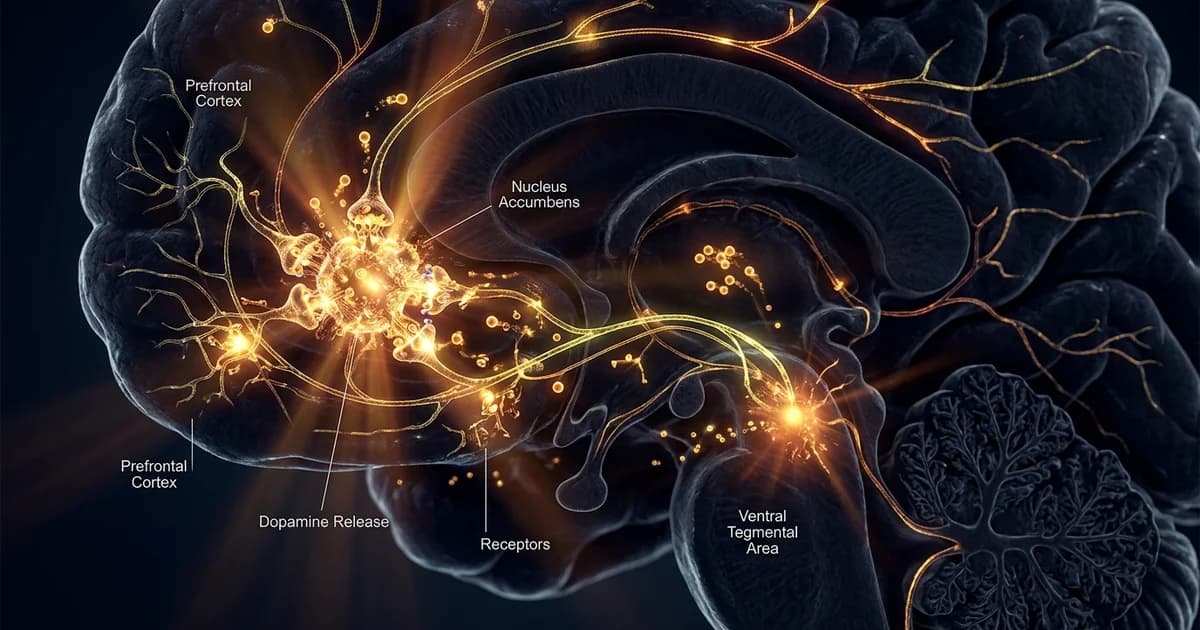
Quitting nicotine is a neurochemical event, and foods that help with nicotine withdrawal can make the process far more manageable. Your brain, suddenly cut off from a substance it's been using to regulate dopamine, serotonin, and blood sugar, starts sending distress signals. Irritability. Fog. Cravings that feel physical because they are physical. And while most advice focuses on patches, gums, and willpower, there's a factor that gets far less attention: what you eat. The right foods that help with nicotine withdrawal can reduce cravings, stabilize your mood, and repair the nutritional damage that nicotine has been quietly doing for years.
This isn't about a "quit smoking diet." It's about understanding the specific biochemical gaps nicotine leaves behind and filling them with the right fuel.
Key Takeaways
- Nicotine depletes specific nutrients, including vitamin C, magnesium, and B vitamins. Replenishing them eases withdrawal symptoms.
- Blood sugar instability is a hidden driver of cravings. Complex carbs and protein keep it steady.
- Omega-3 fatty acids have been shown in clinical trials to reduce cigarette cravings.
- Fruits and vegetables are among the top foods that help with nicotine withdrawal, and they actually make cigarettes taste worse, according to research from Duke University.
Why Your Diet Matters More Than You Think During Withdrawal
Nicotine doesn't just create a psychological habit. It rewires your metabolism. It triggers the release of stored sugar and fat, acting as a chemical appetite suppressant by affecting the satiety centers of the hypothalamus. When you quit, your body doesn't immediately remember how to regulate blood sugar on its own. The result: energy crashes, intense sugar cravings, and a foggy feeling that most people mistake for "just withdrawal."
Your body typically readjusts within about three days. But during that window, and for weeks afterward, choosing the right foods that help with nicotine withdrawal directly influences how severe your symptoms feel.
Nicotine also strips your body of key nutrients. Smoking depletes vitamin C, reduces vitamin D absorption, and interferes with calcium metabolism. A study analyzing data from NHANES II (11,592 participants) found that smokers had measurably lower serum vitamin C levels than non-smokers, even when dietary intake was similar. The nicotine itself accelerates how fast your body burns through this antioxidant.
So step one of managing withdrawal through food is simple: replace what nicotine took.
Foods That Help With Nicotine Withdrawal: The Essential List
Citrus Fruits and Bell Peppers (Vitamin C Repair)
Your vitamin C stores are likely depleted if you've been using nicotine for any length of time. When nicotine is present in the bloodstream, levels of vitamin C decline, and this applies to both smokers and vapers. That makes vitamin C-rich produce some of the most important foods that help with nicotine withdrawal.
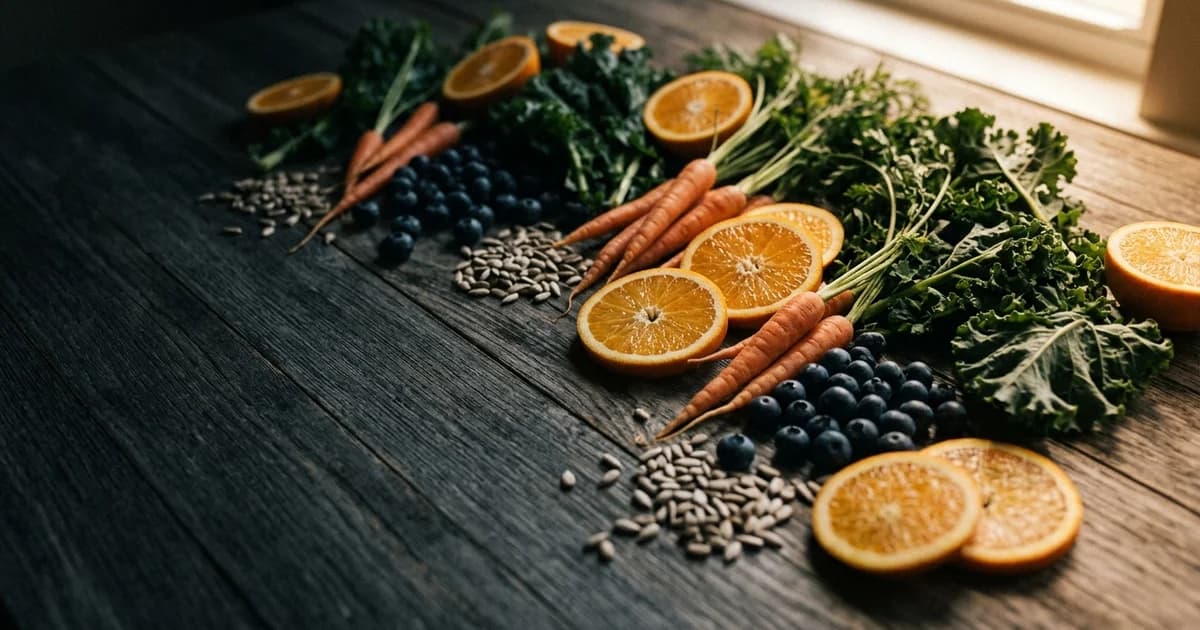
Oranges, grapefruits, kiwis, and red bell peppers are among the densest sources. A single red bell pepper contains more vitamin C than an orange. Aim for multiple servings per day during the first two weeks of withdrawal, when oxidative stress is highest.
Vitamin C also supports the adrenal glands, which are working overtime during withdrawal to manage stress hormones like cortisol.
Fatty Fish and Walnuts (Omega-3s)
This is one of the most well-studied connections in nicotine cessation nutrition, and omega-3-rich foods that help with nicotine withdrawal have strong clinical backing. A double-blind, randomized, placebo-controlled trial found that high-dose omega-3 fatty acid supplementation reduced cigarette cravings and oxidative stress in heavy smokers.
A separate study, reported by ScienceDaily, found that omega-3 supplements reduced both cravings and the actual number of cigarettes smoked per day. And a 2023 study published in the European Journal of Pharmacology demonstrated that omega-3 pre-treatment prevented nicotine withdrawal from worsening anxiety and depression in animal models, by affecting serotonin metabolism and BDNF levels.
The mechanism makes sense. Omega-3 deficiency damages neuron structure and interferes with neurotransmitter release in brain areas involved in addiction. Restoring those fats helps your brain's reward system recalibrate faster.
Best sources: wild salmon, sardines, mackerel, walnuts, chia seeds, and flaxseed.
Dark Leafy Greens and Pumpkin Seeds (Magnesium)
Magnesium-rich foods that help with nicotine withdrawal might be the most underrated part of a quitting strategy. Dopamine is a magnesium-dependent biochemical, meaning low magnesium levels can directly contribute to low dopamine, which drives cravings.
A clinical study published in PubMed found that smokers who received magnesium therapy showed a decrease in both cigarettes smoked and their Fagerström addiction score after just four weeks. Magnesium levels are shown to be depleted in people who smoke more than 10 cigarettes a day, making supplementation through food a smart strategy during withdrawal.
Magnesium also has a calming effect on the nervous system, which directly counters the anxiety and irritability that peak during the first week.
Load up on spinach, Swiss chard, pumpkin seeds, almonds, and dark chocolate (70%+ cacao).
Oats, Brown Rice, and Sweet Potatoes (Complex Carbs)
Nicotine artificially managed your blood sugar. Without it, your body needs to relearn how to do this on its own. Simple sugars (candy, white bread, soda) will spike and crash your glucose, mimicking and worsening withdrawal symptoms. Complex carbs are among the most practical foods that help with nicotine withdrawal because they address this blood sugar instability directly.
Research shows that carbohydrate intake is positively correlated with withdrawal symptoms during smoking abstinence, suggesting the body naturally seeks carbs to self-medicate. The key is giving it the right kind.
Oats are a standout here. They're high in fiber, contain B vitamins (which nicotine also depletes), and provide sustained glucose release. Sweet potatoes add magnesium and vitamin A to the mix. Brown rice and quinoa are solid options for meals, helping sustain energy levels and keeping you more motivated to stay active.
Crunchy Vegetables: Carrots, Celery, and Broccoli
There's a dual benefit here, making crunchy vegetables some of the simplest foods that help with nicotine withdrawal. First, the physical act of crunching satisfies the oral fixation that many former nicotine users struggle with. Substituting carrots, gum, or hard candy for cigarettes is a standard recommendation from health professionals for a reason: it works.
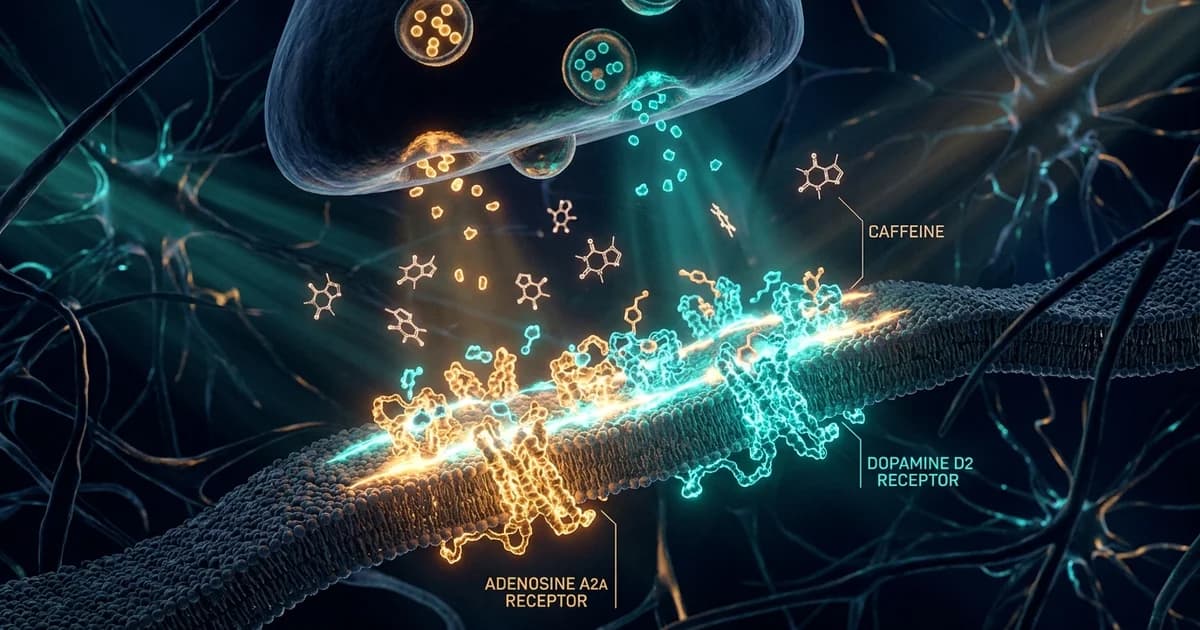
Second, and more interesting: a Duke University study found that fruits and vegetables actually make cigarettes taste worse. In the study, 16% of smokers reported that fruits and vegetables worsened the taste of cigarettes, while 45% said caffeinated beverages enhanced it. This means eating more produce might create a natural aversion to smoking if you're still in the early, tempted phase of quitting.
Raw carrots, celery sticks, broccoli florets, and cucumber slices are easy to keep on hand and require zero prep.
Dairy Products: Milk, Cheese, and Yogurt
The same Duke study found that 19% of smokers reported dairy products worsened the taste of cigarettes. Milk in particular seems to leave a coating in the mouth that makes smoking less appealing. This puts dairy squarely on the list of foods that help with nicotine withdrawal.
Dairy also provides calcium and vitamin D, both of which are depleted by nicotine use. Smokers are at higher risk for osteoporosis since the body absorbs less vitamin D during active nicotine use. Rebuilding those stores during withdrawal supports long-term recovery.
Greek yogurt is a strong choice: high in protein, rich in calcium, and the probiotics support gut health, which emerging research links to mood regulation.
What to Avoid During Nicotine Withdrawal
Just as some foods help, others make withdrawal harder. Knowing which foods that help with nicotine withdrawal to prioritize also means knowing what to cut. The Duke University research made this clear: alcohol, coffee, and meat enhanced the taste of cigarettes, while healthy foods worsened it.
| Makes Withdrawal Harder | Why |
|---|---|
| Alcohol | Lowers inhibition, triggers cravings, enhances cigarette taste |
| Excessive caffeine | Spikes anxiety, destabilizes blood sugar, enhances cigarette taste |
| Sugary snacks | Blood sugar spikes and crashes mimic withdrawal symptoms |
| Processed foods | Low nutrient density, high sodium increases dehydration |
This doesn't mean you need to quit coffee entirely. But switching to green tea during the first two weeks gives you a mild caffeine source plus L-theanine, an amino acid that promotes calm focus without sedation.
A Sample Day of Eating: Foods That Help With Nicotine Withdrawal in Practice
Here's what a practical day built around foods that help with nicotine withdrawal might look like:
- Breakfast: Oatmeal with walnuts, blueberries, and a sprinkle of chia seeds. Glass of orange juice.
- Mid-morning snack: Carrot sticks and hummus. A handful of pumpkin seeds.
- Lunch: Grilled salmon over brown rice with steamed broccoli and spinach.
- Afternoon snack: Greek yogurt with sliced kiwi. A square of dark chocolate.
- Dinner: Sweet potato and black bean bowl with avocado, bell peppers, and a squeeze of lime.
- Evening: Chamomile or green tea. A small handful of almonds.
Every item on this list targets a specific withdrawal mechanism: blood sugar regulation, dopamine support, vitamin C restoration, omega-3 replenishment, or oral fixation replacement. That's what makes these foods that help with nicotine withdrawal so effective: they address the biology, not just the habit.
The Bigger Picture: Withdrawal Is Temporary, Strategy Is Permanent
Most nicotine withdrawal symptoms peak within the first three to five days and fade over two to four weeks. The foods that help with nicotine withdrawal aren't just about surviving that window. They're about building eating patterns that support the kind of brain chemistry you want long-term: stable energy, consistent focus, and a reward system that doesn't depend on a substance.
For some people, though, the hardest part isn't the cravings. It's the ritual. The hand-to-mouth motion. The moment of pause in a hectic day. The pouch between your lip and gum. Even the best foods that help with nicotine withdrawal can't fully replace that behavioral loop.
That's where Roon fits. It's a zero-nicotine sublingual pouch built around a stack of caffeine (80 mg), L-theanine, theacrine, and methylliberine, designed to deliver 6 to 8 hours of sustained focus without jitters, crashes, or tolerance buildup. Same ritual, zero nicotine, actual cognitive benefits.
If you're using food to fix the chemistry and still missing the habit, it might be the missing piece.