Foods That Help Nicotine Withdrawal: A Science-Backed Nutrition Guide
Roon Team
Foods That Help Nicotine Withdrawal: A Science-Backed Nutrition Guide
Quitting nicotine is a neurochemical event, and choosing the right foods that help nicotine withdrawal can make the process far more manageable. Your brain, accustomed to regular dopamine hits, suddenly has to manufacture its own motivation again. The irritability, the brain fog, the 3 p.m. wall of fatigue that makes you want to crawl under your desk. These aren't character flaws. They're symptoms of a brain in recovery.
The good news: foods that help nicotine withdrawal can shorten the timeline, reduce the intensity of cravings, and give your neurotransmitter systems the raw materials they need to recalibrate. This isn't about willpower smoothies or miracle diets. It's about targeted nutrition that addresses the specific biochemical disruptions nicotine leaves behind.
Key Takeaways:
- Nicotine withdrawal depletes specific nutrients, especially vitamin C and magnesium, that you can replenish through food.
- Stable blood sugar is your best defense against cravings and mood swings.
- Certain foods that help nicotine withdrawal actively support dopamine and serotonin production, the two neurotransmitter systems most disrupted by quitting.
- What you drink matters as much as what you eat.
What Nicotine Actually Does to Your Nutritional Status
Before exploring foods that help nicotine withdrawal, it helps to understand what nicotine took from you.
Nicotine is a stimulant that suppresses appetite and disrupts blood sugar regulation. It also accelerates the metabolism of several key nutrients. The result: most long-term nicotine users are walking around with depleted stores of vitamin C, B vitamins, magnesium, and zinc, often without knowing it.
Smoking alone is known to reduce vitamin C levels because nicotine increases oxidative stress, burning through your body's primary antioxidant faster than you can replace it. A study published on PubMed found that a single high dose of vitamin C (2g) reduced smoking-induced microcirculatory damage by more than 50% in test subjects.
This means your body isn't just craving nicotine. It's craving the nutrients nicotine stole, which is exactly why foods that help nicotine withdrawal work so well.
Foods That Help Nicotine Withdrawal: The Six Categories That Matter
1. Vitamin C-Rich Fruits and Vegetables
Of all the foods that help nicotine withdrawal, vitamin C-rich produce is the single most important dietary change you can make.
Vitamin C supports your adrenal glands (which are working overtime during withdrawal), helps clear residual nicotine from your system, and lowers cortisol levels, the stress hormone that spikes when you quit.
Best sources:
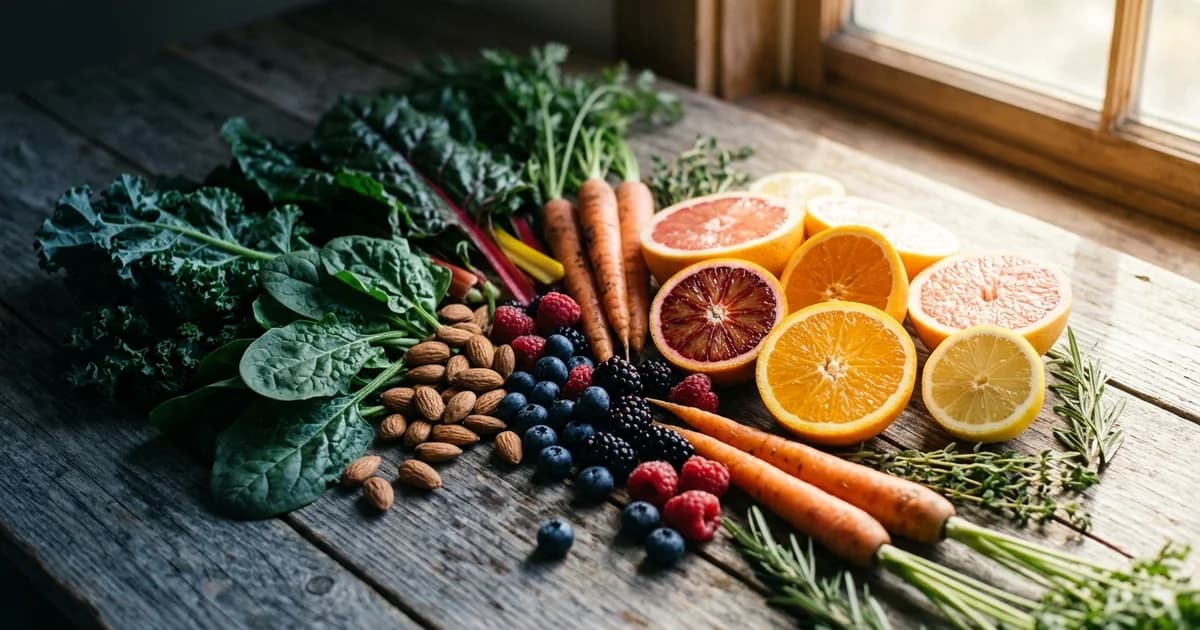
- Oranges, kiwis, and grapefruit
- Bell peppers (one red bell pepper has more vitamin C than an orange)
- Broccoli, cauliflower, and dark leafy greens
- Berries, especially strawberries and blackcurrants
Aim for at least 3-4 servings of these daily during the first two weeks of withdrawal. Your body is playing catch-up.
2. Complex Carbohydrates for Blood Sugar Stability
Here's a pattern most people don't connect: nicotine cravings and blood sugar crashes feel almost identical. Both produce irritability, difficulty concentrating, and an urgent need for "something" to fix the feeling. That's why complex carbs rank high among foods that help nicotine withdrawal.
Nicotine acts as an appetite suppressant and causes sharp spikes and crashes in blood sugar. When you remove it, your blood sugar regulation is temporarily unreliable. Every crash gets misinterpreted as a nicotine craving, which makes quitting feel harder than it actually is.
The fix is simple: eat foods that release glucose slowly.
| Food | Why It Works |
|---|---|
| Oats and oatmeal | Slow-release energy, high in B vitamins |
| Brown rice | Steady glucose, supports serotonin production |
| Sweet potatoes | Low glycemic index, rich in beta-carotene |
| Whole grain bread | Sustained energy without the spike |
| Lentils and beans | High fiber + protein combo for maximum satiety |
Eat smaller meals more frequently. Five small meals beats three large ones during withdrawal. You want your blood sugar line to look like gentle rolling hills, not the peaks and valleys of a heart monitor.
3. Protein-Rich Foods for Dopamine Production
Nicotine hijacks your dopamine system. When you quit, your brain's reward circuitry is temporarily understaffed. This is why everything feels flat and unrewarding during the first week or two. Protein-rich foods that help nicotine withdrawal address this problem directly.
Dopamine is built from the amino acid tyrosine, which your body gets from protein. Feeding your brain the building blocks it needs to restore normal dopamine production is one of the most direct things you can do.
Top dopamine-supporting foods:
- Eggs (particularly the yolks, which are rich in tyrosine and choline)
- Wild-caught salmon and other fatty fish
- Lean turkey and chicken
- Almonds and pumpkin seeds
- Greek yogurt
A review published in PMC confirms that dietary fatty acids, particularly omega-3s found in fish, play a direct role in brain dopamine system function. This makes fatty fish a double win among foods that help nicotine withdrawal: you get the protein for dopamine synthesis and the omega-3s for overall brain health.
4. Magnesium-Rich Foods for Anxiety and Sleep
If you've ever quit nicotine, you know the anxiety. The restless legs at night. The feeling that your nervous system is plugged into a wall socket. Magnesium-rich foods that help nicotine withdrawal can calm this response.
Magnesium is your body's natural relaxation mineral, and nicotine use depletes it. A study published on PubMed found that magnesium supplementation in smokers led to a statistically significant decrease in nicotine dependence scores (measured by the Fagerström test) after just 28 days. The control group that didn't receive magnesium showed no meaningful change.
Best food sources of magnesium:
- Dark chocolate (70%+ cacao, and yes, this counts as medicine)
- Spinach and Swiss chard
- Pumpkin seeds and cashews
- Avocados
- Black beans
A square or two of dark chocolate when a craving hits isn't indulgence. It's a magnesium delivery system that also triggers a small endorphin release. Strategic eating.
5. Dairy Products as a Craving Deterrent
This one is unexpected. Research from Duke University Medical Center found that 19% of smokers reported dairy products worsened the taste of cigarettes, while fruits, vegetables, and water had similar effects. Alcohol and coffee, on the other hand, made cigarettes taste better.
The practical takeaway: if you're in the early days of quitting and still fighting the urge, a glass of milk or a serving of yogurt can create a mild taste aversion that makes the idea of nicotine less appealing. Dairy may not be the most obvious of the foods that help nicotine withdrawal, but it's one more tool worth using.
6. Hydration: The Most Overlooked Factor
Water isn't food, but it deserves its own section because dehydration mimics withdrawal symptoms almost perfectly. Fatigue, headaches, difficulty concentrating, irritability. Sound familiar?
Staying hydrated helps your body flush residual nicotine and its metabolites faster. Aim for 8-10 glasses daily. When a craving hits, drink a full glass of cold water before doing anything else. The act of drinking, the cold sensation, and the brief pause all work together to interrupt the craving loop.
Green tea deserves a special mention here. It contains L-theanine, an amino acid that promotes calm focus without sedation. A randomized controlled trial published in PMC found that 200mg of L-theanine daily for four weeks reduced anxiety scores and improved sleep quality compared to placebo. During withdrawal, that combination of calm and clarity is exactly what your brain needs.
What to Avoid During Nicotine Withdrawal
Knowing which foods that help nicotine withdrawal to prioritize is half the equation. Knowing what to skip matters just as much.
Alcohol. It lowers inhibitions and is strongly associated with nicotine use. The Duke study found that 44% of smokers said alcohol enhanced the taste of cigarettes. If you're quitting, take a break from drinking for at least the first two weeks.
Excess caffeine. Coffee on its own isn't the enemy, but too much amplifies the anxiety and restlessness that withdrawal already produces. If you normally drink four cups, cut to two. Your nervous system is already overstimulated.
Refined sugar. It creates the exact blood sugar roller coaster you're trying to avoid. A candy bar might feel like relief for 15 minutes, followed by a crash that triggers another craving. Whole fruit gives you sweetness with fiber to slow the glucose release.
Processed and fried foods. They increase inflammation, which worsens mood and fatigue. Your body is in repair mode. Give it materials it can actually use.
A Sample Day of Foods That Help Nicotine Withdrawal
Here's what a solid day looks like when you put it all together:
Breakfast: Two eggs scrambled with spinach and bell peppers. A glass of orange juice. Green tea.
Mid-morning snack: Greek yogurt with a handful of blueberries and pumpkin seeds.
Lunch: Grilled salmon over brown rice with steamed broccoli. Water with lemon.
Afternoon snack: An apple with almond butter. Two squares of dark chocolate.
Dinner: Lentil soup with whole grain bread. Side salad with avocado and mixed greens.
Evening: Chamomile or green tea. A small handful of cashews if hungry.
Every meal in this plan targets at least one withdrawal symptom. The eggs and salmon support dopamine. The greens and citrus replenish vitamin C. The dark chocolate and pumpkin seeds deliver magnesium. The whole grains keep blood sugar stable. Nothing here is exotic or expensive. These are simply foods that help nicotine withdrawal by giving your body what it actually needs.
Beyond Food: Building a Better Replacement Ritual
Diet handles the biochemistry. But nicotine withdrawal isn't purely biochemical. There's also the ritual, the hand-to-mouth habit, the sensory experience of having something in your lip or between your fingers. This is where most nutrition-only approaches fall short. Even the best foods that help nicotine withdrawal can't fully address the behavioral side of the habit.
If you've been using nicotine pouches, the physical habit is deeply wired. Your brain expects something there. Removing the substance without replacing the ritual leaves a gap that willpower alone struggles to fill.
Roon was built for exactly this problem. It's a zero-nicotine sublingual pouch with caffeine (80mg), L-theanine, theacrine, and methylliberine, ingredients that support sustained focus for 6-8 hours without the jitters, crashes, or tolerance buildup that nicotine creates. Same ritual, zero nicotine, actual cognitive benefits.
Pair foods that help nicotine withdrawal with a clean replacement like Roon, and you're not just quitting something. You're upgrading to something better.