Dry January Mocktails: What You Need to Know
Dry January Mocktails: What You Need to Know (Before You Reach for the Simple Syrup)
Your Dry January mocktails might be doing more harm than you think. Not from the alcohol, obviously, because there isn't any. But that "healthy" virgin margarita you blended this morning? It probably has more sugar than a can of Coke.
Thirty percent of Americans participated in Dry January in 2025, a 36% increase from the year before. The sober curious movement isn't a blip. It's a full-blown shift in how people think about drinking. And Dry January mocktails sit right at the center of it, giving people something to hold at a party that isn't tap water or a sad club soda.
But here's the thing most Dry January guides won't tell you: the gap between a good mocktail and a sugar bomb is razor thin. And the difference between going alcohol-free for health reasons and accidentally tripling your daily sugar intake comes down to knowing what goes in your glass.
Key Takeaways:
- Dry January participation is surging, and mocktails are driving the social side of alcohol-free living.
- Most mocktail recipes rely heavily on fruit juice and syrups, which can pack 30-50g of sugar per drink.
- Building great Dry January mocktails comes down to four elements: acid, bitter, aromatic, and fizz.
- The sober curious movement extends beyond January and into how you think about cognitive performance year-round.
Why Dry January Mocktails Took Over
The numbers tell a clear story. Millennials lead the charge, with 51% reporting they've tried Dry January at least once. Gen X participation jumped 7 points in a single year, according to Morning Consult data. This isn't just young people experimenting. It's a cross-generational recalibration.
And the science backs the instinct. A review published in Alcohol and Alcoholism, conducted by researchers at Brown University, analyzed 16 studies covering more than 150,000 participants. They found that even a single month without alcohol led to improved sleep, better mood, weight loss, and healthier liver function. Participants also reported better concentration and more energy.
That's a lot of upside for 31 days.
Dry January mocktails make the social part easier. Nobody wants to explain why they're not drinking for the fifth time at a dinner party. A well-made mocktail in a proper glass sidesteps the whole conversation. It also scratches the ritual itch, the act of mixing something, garnishing it, sipping it slowly. That matters more than most people realize.
The mocktail market reflects this demand. The artisanal mocktail industry is expected to reach $30 billion in 2025, according to Global Market Insights. Google's top trending searches of 2025 included non-alcoholic versions of the blackberry bramble and the Hugo Spritz, per Wine Enthusiast. People aren't just tolerating alcohol-free drinks. They're actively seeking out Dry January mocktails and year-round alternatives.
The Sugar Problem Nobody Talks About
Here's where Dry January mocktails get tricky.
Most classic mocktail recipes are built on a foundation of fruit juice, simple syrup, and flavored sodas. Strip the alcohol from a margarita and you're left with lime juice and sweetener. Remove the vodka from a cosmopolitan and it's cranberry juice with triple sec syrup. The structural role that spirits play in a cocktail (adding body, dryness, and bite) disappears, and sugar rushes in to fill the gap.
A typical restaurant mocktail can contain 30 to 50 grams of sugar per serving. For context, the American Heart Association recommends no more than 25 grams of added sugar per day for women and 36 grams for men. One fancy mocktail can blow past that limit before dinner arrives.
As one wellness-focused dietitian noted on Nest Wellness, alcohol-free doesn't automatically mean blood sugar friendly. And if you're mixing Dry January mocktails for health reasons, swapping a glass of wine for a drink with twice the sugar defeats the purpose.
This isn't an argument against mocktails. It's an argument for making better ones.
How to Build Dry January Mocktails That Actually Work
The best Dry January mocktails don't try to imitate cocktails by replacing alcohol with sweetness. They build complexity through four elements:
1. Acid
Citrus is the backbone of almost every good drink, alcoholic or not. Fresh lemon, lime, grapefruit, or yuzu juice adds brightness and structure. Vinegar-based shrubs (fruit preserved in vinegar and sugar) offer a more complex tartness that mimics the depth of spirits. Acid is what separates flat, forgettable Dry January mocktails from ones you'll actually crave.
2. Bitters
A few dashes of aromatic bitters add the kind of herbal, spicy complexity that sugar never will. Most bitters contain trace amounts of alcohol (think vanilla extract levels), but alcohol-free options exist from brands like All The Bitter. Bitters are the single fastest way to make a mocktail taste like a grown-up drink.
3. Aromatics and Botanicals
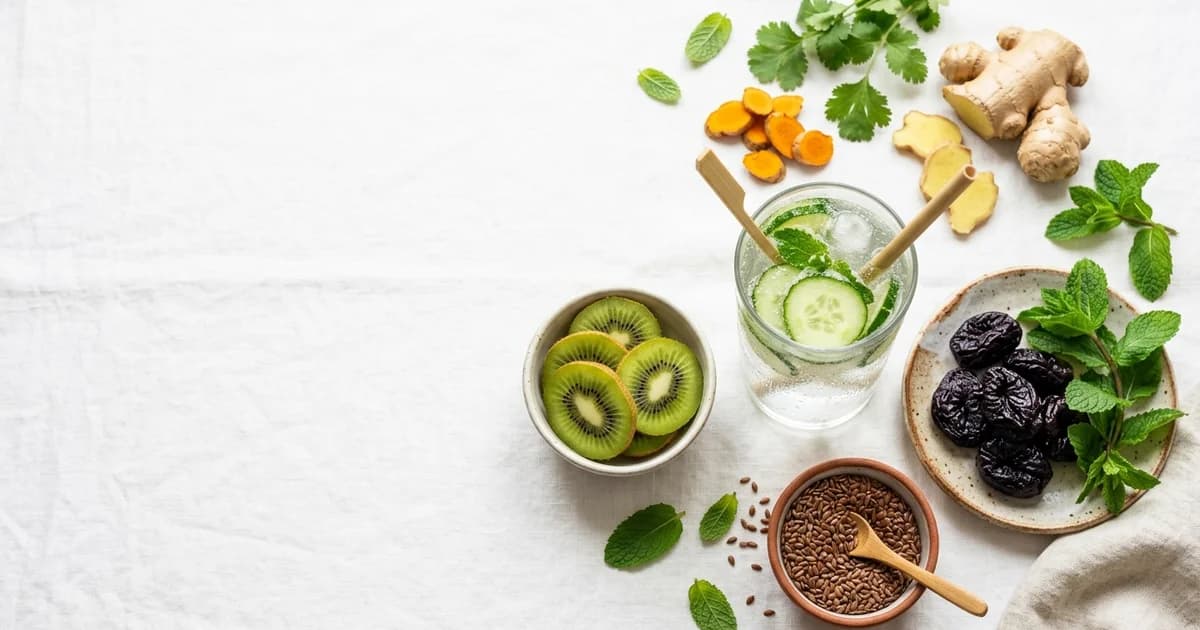
Fresh herbs (basil, rosemary, thyme, mint), spices (cinnamon, star anise, cardamom), and ingredients like ginger or cucumber add layers of flavor without adding sugar. Muddling fresh herbs releases essential oils that change the entire character of a drink. This is where Dry January mocktails can actually surpass their boozy counterparts in complexity.
4. Fizz and Texture
Sparkling water, tonic, or kombucha gives a mocktail its body. Flat drinks feel incomplete. The carbonation also enhances how your palate perceives other flavors, making everything taste more alive.
A solid starting ratio, according to professional bar guides: 4 parts sparkling water, 2 parts acid, 1 part sweetener. From there, adjust to taste.
Five Dry January Mocktails Worth Making
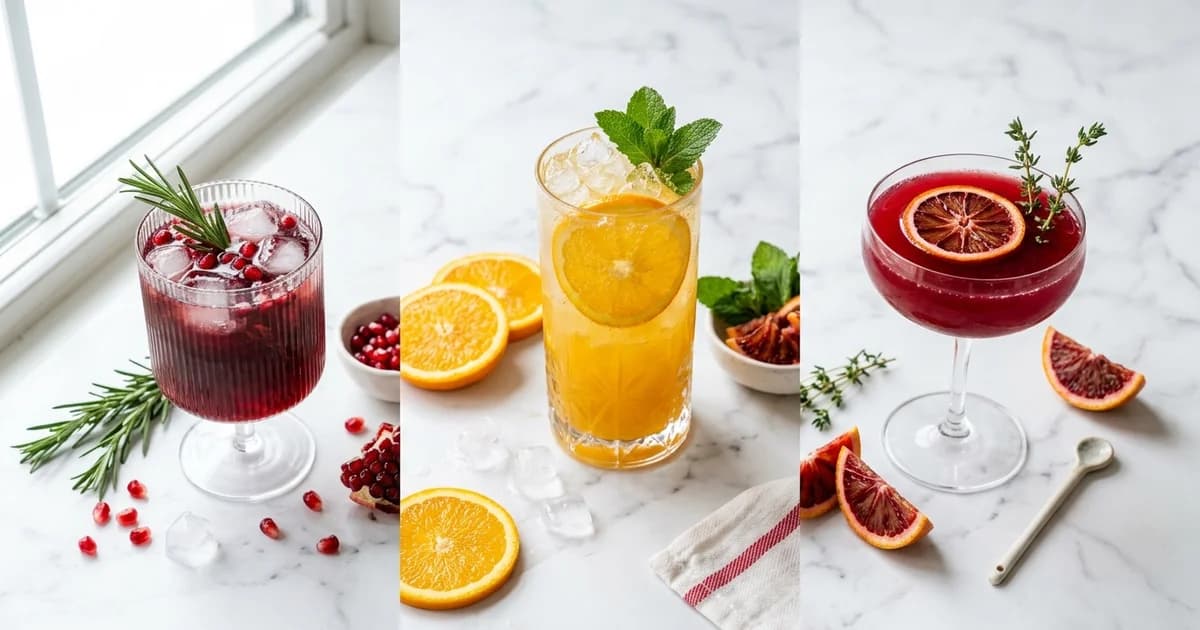
Here are five Dry January mocktails that prioritize flavor over sugar, organized from simplest to most involved.
The Ginger Smash
| Ingredient | Amount |
|---|---|
| Fresh ginger (muddled) | 1-inch piece |
| Fresh lime juice | 1 oz |
| Honey | 0.5 oz |
| Sparkling water | 4 oz |
| Aromatic bitters | 2 dashes |
Muddle the ginger in the bottom of a rocks glass. Add lime juice and honey, stir to combine. Fill with ice, top with sparkling water, and finish with bitters. Total sugar: roughly 8g. This is one of the easiest Dry January mocktails to batch for a crowd.
The Blackberry Shrub Fizz
| Ingredient | Amount |
|---|---|
| Blackberry shrub | 1 oz |
| Fresh lemon juice | 0.75 oz |
| Sparkling water | 4 oz |
| Fresh basil leaves | 3 |
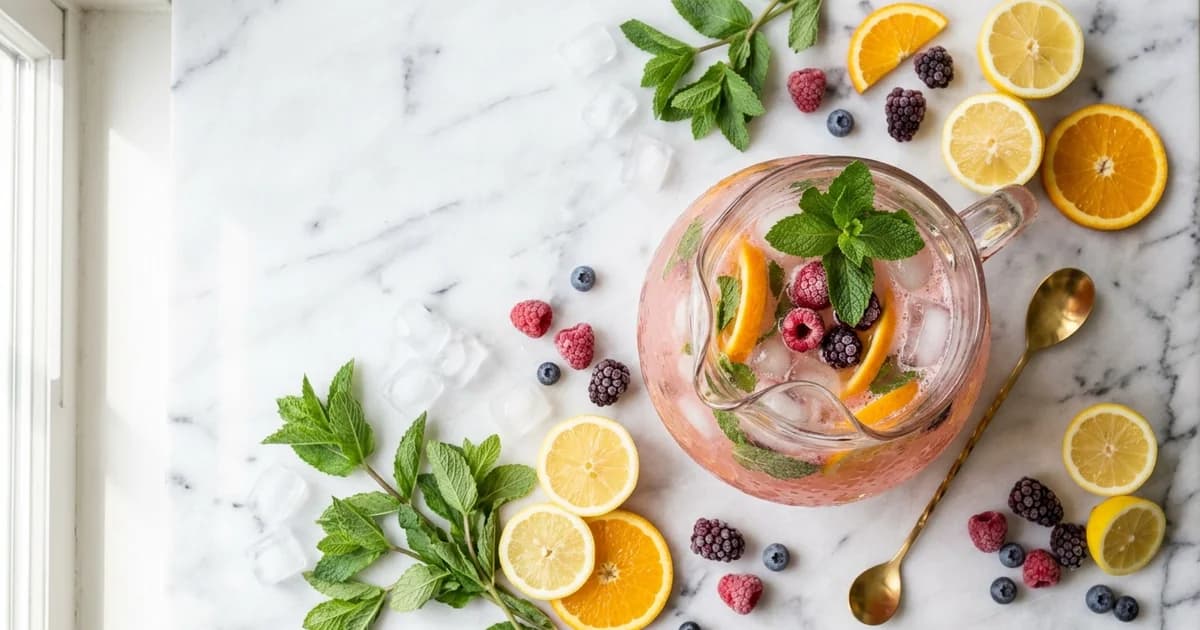
Gently muddle basil in the glass. Add shrub, lemon juice, and ice. Top with sparkling water. The shrub provides both sweetness and acidity, so you don't need additional sugar.
The Cucumber Tonic
| Ingredient | Amount |
|---|---|
| Cucumber (sliced) | 4 rounds |
| Fresh lime juice | 0.75 oz |
| Elderflower cordial | 0.5 oz |
| Tonic water | 5 oz |
| Mint sprig | 1 |
Muddle cucumber in a tall glass. Add lime and elderflower, fill with ice, top with tonic. Garnish with mint. Clean, crisp, and under 10g of sugar. Among Dry January mocktails, this one feels the most like a spa day in a glass.
The Spiced Citrus Spritz
| Ingredient | Amount |
|---|---|
| Fresh grapefruit juice | 2 oz |
| Cinnamon syrup | 0.5 oz |
| Sparkling water | 3 oz |
| Orange bitters | 3 dashes |
| Rosemary sprig | 1 |
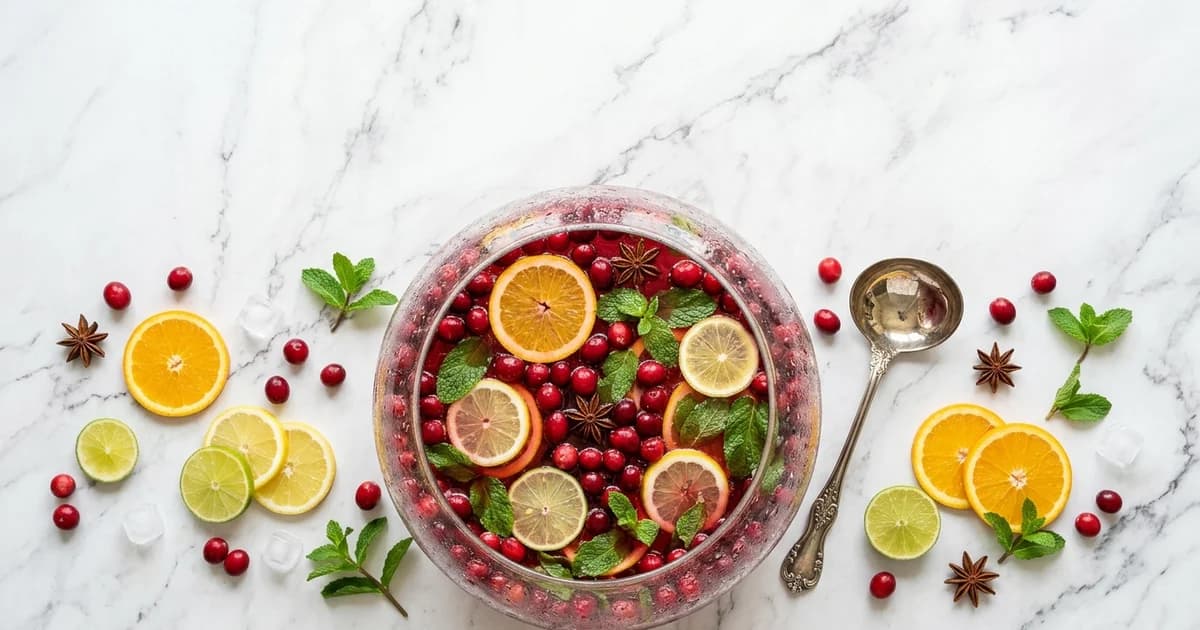
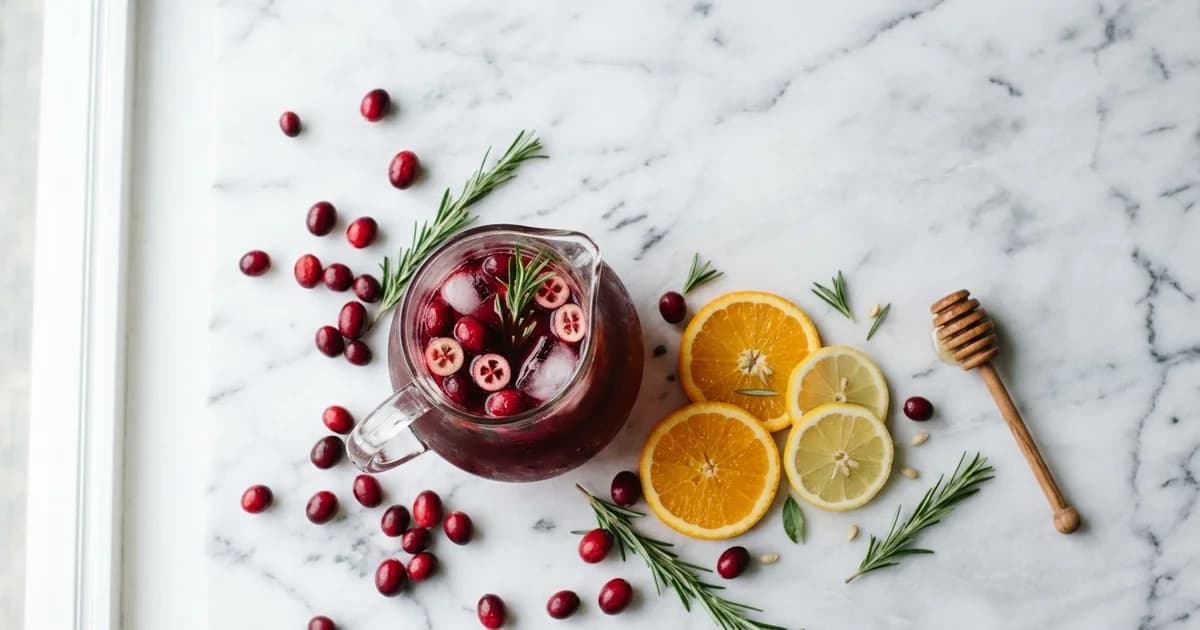
Combine grapefruit juice and cinnamon syrup in a wine glass with ice. Top with sparkling water and bitters. Garnish with a torched rosemary sprig for aroma. This one looks as good as it tastes.
The Kombucha Mule
| Ingredient | Amount |
|---|---|
| Ginger kombucha | 4 oz |
| Fresh lime juice | 1 oz |
| Angostura bitters | 2 dashes |
| Lime wheel | 1 |
Pour kombucha and lime juice over ice in a copper mug (or any glass, the mug is just for style). Add bitters, garnish with a lime wheel. The kombucha provides natural fizz, a hint of tartness, and gut-friendly probiotics. Total added sugar: close to zero if you choose a low-sugar kombucha brand. Of all the Dry January mocktails on this list, this one requires the least effort.
Beyond the Glass: What Dry January Actually Changes
The Brown University review found something interesting beyond the physical benefits. People who completed Dry January reported drinking less in the months that followed. The month acts as a reset, not just for your liver, but for your habits and your relationship with alcohol as a social default. And Dry January mocktails play a role in that reset by proving that great drinks don't require booze.
This tracks with broader data. Mintel reports that 30% of U.S. consumers are actively reducing their alcohol intake, not just in January but year-round. Gen Z drinks 20% less alcohol on average than millennials did at the same age. The non-alcoholic beverage market grew an estimated 10% in 2024, with retail sales projected to rise at an average annual rate of 18.5% through 2029.
The pattern is clear. People are rethinking what they put in their bodies, and they're looking for options that deliver something more than just "not alcohol." Dry January mocktails are a starting point, but the mindset shift extends well beyond what's in your glass.
That same thinking extends to cognitive performance. If you're cutting out alcohol because you want better sleep, sharper focus, and more energy (the exact benefits the Brown study identified), it makes sense to ask: what else can I add to my routine that supports those goals without compromise?
Clean Focus for the Sober Curious
This is where the sober curious mindset gets interesting. Once you start questioning one default substance, you start questioning all of them. Do you actually need that third cup of coffee, or are you just chasing a caffeine spike that'll leave you wired and then wiped? The same intentionality that led you to Dry January mocktails can reshape how you think about focus and energy.
Roon was built for exactly this kind of thinking. It's a zero-nicotine sublingual pouch that combines 80 mg of caffeine with L-theanine, theacrine, and methylliberine. A study published on PubMed found that the combination of L-theanine and 40 mg of caffeine improved accuracy during task switching and self-reported alertness while reducing tiredness. Theacrine and methylliberine extend that effect, with research showing the combination improves cognitive performance and reaction time without increasing anxiety.
No jitters. No crash. No tolerance buildup over time. Six to eight hours of sustained, clean focus.
If Dry January mocktails taught you that you don't need alcohol to have a good time, Roon is the same lesson applied to mental performance. You don't need to overcaffeinate, reach for nicotine, or accept the afternoon slump as inevitable. You just need a better stack.
Try Roon and see what clean focus feels like.