Dry January Meme: What the Jokes Actually Tell Us About How We Drink
Roon Team
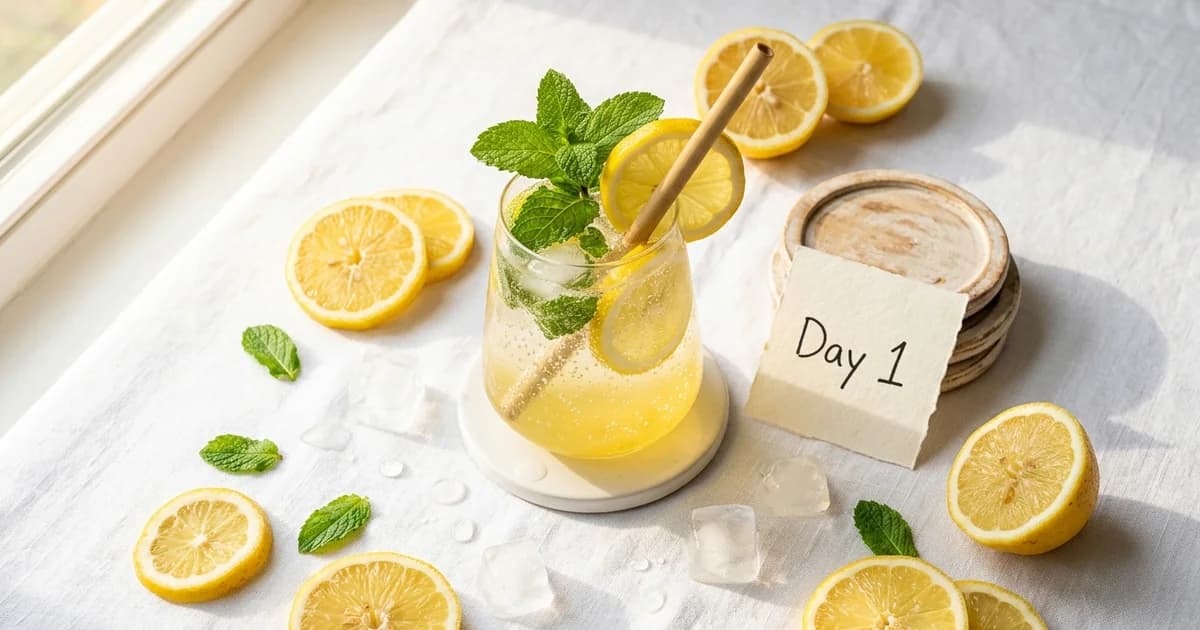
Dry January Meme: What the Jokes Actually Tell Us About How We Drink
The dry january meme you just sent to your group chat probably hit harder than you expected. Maybe it was the one about staring longingly at a wine bottle on January 3rd. Maybe it was the "me explaining to my friends why I'm drinking water" template. Either way, you laughed, you shared it, and then you quietly wondered: why does this feel so personal?
Every dry january meme speaks to something real. They flood Instagram, X, and Reddit every year like clockwork. But underneath the jokes is something more interesting than a punchline: a massive cultural shift in how people think about alcohol.
Key Takeaways:
- Dry January participation hit 30% of Americans in 2025, a 36% jump from 2024.
- The memes aren't just funny. They reflect real discomfort with drinking culture.
- Gen Z is leading the sober curious movement, with 43% participating.
- The humor helps normalize sobriety in a culture that still treats not drinking as weird.
Why the Dry January Meme Took Over the Internet
Every January, the same cycle plays out. People announce they're going alcohol-free. By day three, the funny dry january memes start rolling in. By day ten, the "I already failed" confessions dominate every timeline.
The dry january meme format works because it taps into a universal tension. You want to be healthier. You also want a glass of wine after a long Tuesday. That gap between intention and reality is comedy gold.
But the sheer volume of dry january memes tells a bigger story. A decade ago, quitting alcohol for a month was a niche challenge promoted by a UK charity called Alcohol Change UK. Now it's a mainstream cultural event with its own visual language. The dry january meme is the proof.
The Most Common Dry January Meme Categories
If you've scrolled through any social feed in January, you've seen these archetypes:
| Meme Category | What It Looks Like | What It Really Means |
|---|---|---|
| The Day 1 Optimist | "New year, new me" energy with a green juice | Genuine hope mixed with nervous energy |
| The Day 3 Failure | Someone eyeing a bottle of wine like an ex | The social pressure to drink is real |
| The Smug Survivor | Week 4 glow-up selfie or "I feel amazing" post | Validation that the benefits are worth it |
| The February 1st Meme | Sprinting to the bar at midnight | Relief, but also a question: why do we celebrate going back? |
The dry january over meme category is especially telling. The joke is always the same: someone counting down the seconds until February so they can drink again. It gets huge engagement every year. But it also reveals how deeply alcohol is woven into social rituals. The punchline only works if everyone agrees that not drinking is the abnormal state.
The Numbers Behind the Dry January Meme
The memes are dry january funny on the surface. The data underneath them is serious.
Circana's 2025 alcohol survey found that 30% of Americans participated in Dry January in 2025, up 36% from the previous year. Gen Z is leading the charge, with 43% of legal-age Gen Z adults taking part.
This tracks with a broader decline in alcohol consumption. Gallup polling found that only 54% of U.S. adults say they drink, the lowest rate in decades. The previous floor was 55%, set back in 1958.
CivicScience data adds another layer: 35% of Gen Z adults aged 21-24 successfully completed the full month, more than double the rate of adults 55 and older. And the majority of those who finished said they planned to keep drinking less afterward.
These aren't fringe numbers. This is a generational behavior change playing out in real time. Every dry january meme you see is just the most visible symptom.
Why "Dry January Funny" Is Actually a Coping Mechanism
Humor has always been a way to process discomfort. And for a lot of people, examining their relationship with alcohol is uncomfortable. That's exactly why the dry january funny content resonates so deeply.
Think about it. Alcohol is embedded in nearly every adult social ritual. Work happy hours. First dates. Weddings. Funerals. The question "want a drink?" is so automatic it barely registers as a question at all.
Deciding to opt out, even for 31 days, puts you in a position where you have to explain yourself. Over and over. To coworkers, to friends, to family members who take your sobriety as a personal judgment on their drinking.
A well-timed dry january meme gives people a pressure valve. Sharing a meme that says "me pretending sparkling water is exciting" is easier than saying "I think I might drink too much." The joke creates distance from the vulnerability. It lets you participate in the conversation without having to get too honest too fast.
This is why dry january memes spread so aggressively. They're doing emotional work disguised as entertainment.
The "Dry January Is Over" Meme and What It Reveals
The dry january is over meme hits every February 1st like a tidal wave. People posting videos of themselves sprinting to the liquor store. GIFs of champagne corks popping. The message is clear: thank God that's done.
But here's what's interesting. According to Oar Health's 2025 nationwide study, a large portion of Dry January participants don't actually go back to their old habits. Many report drinking less in the months that follow. Some quit entirely.
The "it's over" dry january meme creates a false narrative. It suggests that everyone white-knuckled their way through January and collapsed back into old patterns. The reality is quieter and less meme-worthy: a lot of people liked how they felt sober and just... kept going.
The Sober Curious Movement Is Bigger Than One Month
Dry January didn't create the sober curious movement. But it gave millions of people a socially acceptable on-ramp. And the dry january meme gave them a way to talk about it without feeling exposed.
The term "sober curious" describes people who question their drinking habits without necessarily identifying as alcoholics or committing to permanent sobriety. It's an exploration, not a diagnosis. And it's growing fast.
Leger's 2025 Beyond the Buzz study found that a quarter of Gen Z and Millennials who currently drink plan to cut back this year. The non-alcoholic beverage market is responding. Non-alcoholic beer volume rose 175% between 2019 and 2024, according to industry analysis from ProSight Financial Association.
The funny dry january memes reflect this shift. Five years ago, most Dry January humor was self-deprecating: "I can't believe I'm doing this, I'm going to fail." Now the tone is shifting. More memes celebrate the clarity, the better sleep, the weight loss. The humor is evolving from coping to confidence.
What Actually Happens to Your Body During Dry January
The memes about "glowing skin by week 3" aren't just jokes. There's real physiology behind them, and it's why the dry january meme about feeling amazing by week four keeps showing up.
The body changes after abstinence are well-documented, and when you stop drinking for a month, several things happen:
- Sleep improves. Alcohol disrupts REM sleep. Even moderate drinking reduces sleep quality. Within a week of stopping, most people report deeper, more restorative rest.
- Liver function recovers. Your liver is remarkably good at healing itself when you give it a break. Markers of liver inflammation typically drop within weeks of abstinence.
- Mental clarity sharpens. Alcohol is a central nervous system depressant. Remove it, and many people report better focus, faster recall, and improved mood stability.
- Calorie intake drops. A standard glass of wine has around 120-150 calories. A month without alcohol can mean thousands of fewer empty calories.
These benefits compound. By week three or four, the "I feel amazing" dry january meme starts making sense. The people posting them aren't exaggerating. They're reporting a real physiological baseline shift.
How to Actually Survive Dry January (Beyond the Dry January Meme)
Sharing funny dry january memes is a great start. But if you want to make it through the month, you need a strategy.
Replace the ritual, not just the substance. Most drinking is habitual. You don't crave alcohol at 6 PM because your body needs it. You crave it because that's when you always have a drink. Swap in a new ritual: a specific tea, a sparkling water with citrus, or something that gives you a sensory signal that the workday is over.
Tell people early. The social pressure to drink is real. If you announce your intentions before the first happy hour invitation, you remove the awkwardness of declining in the moment.
Track how you feel. Keep a simple daily note. Energy level, sleep quality, mood. By week two, the data becomes its own motivation.
Don't aim for perfection. If you slip up on day 12, you haven't "failed Dry January." You've had 11 days of reduced alcohol intake, which is 11 more than you had in December. And yes, there's a dry january meme for that too.
Clean Focus for the Sober Curious
The sober curious movement isn't just about removing alcohol. It's about being more intentional with what you put in your body and why. That same instinct that makes you share a dry january meme and laugh is the instinct pushing you toward better choices.
That same mindset applies to how you think about focus and energy. If you're rethinking your relationship with alcohol, you're probably also rethinking the three espressos, the energy drinks, and the other shortcuts that leave you wired and then wrecked.
Roon was built for exactly this kind of thinking. It's a zero-nicotine sublingual pouch with a precise stack of caffeine (80 mg), L-Theanine, theacrine, and methylliberine, designed to deliver 6-8 hours of clean, sustained focus without jitters, crashes, or tolerance buildup. No alcohol. No nicotine. No guessing.
If Dry January taught you that you perform better with less noise in your system, Roon is the logical next step. Clean focus for the sober curious.