Coffee and an Upset Stomach: Lower-Acid Ways to Get Energy When Coffee Wrecks Your Gut
Roon Team
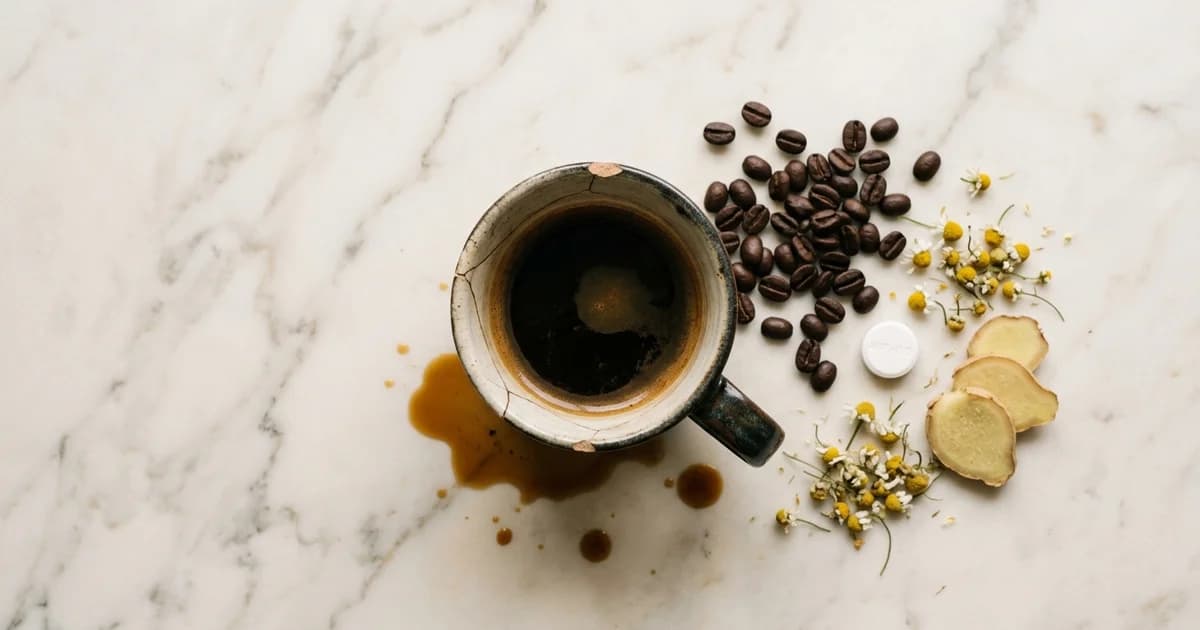
Coffee and an Upset Stomach: Lower-Acid Ways to Get Energy When Coffee Wrecks Your Gut
You love the ritual. Your gut hates it. If you've ever asked why does coffee make my stomach hurt, the short answer is that coffee does two uncomfortable things at once: it tells your stomach to pump out more acid, and it loosens the muscle that's supposed to keep that acid down where it belongs.
That combination is why a morning cup can leave you with burning, bloating, or a sour ache an hour later. The good news is that the fix isn't always quitting caffeine. It's changing how you get it.
This guide breaks down the actual biology, then walks through lower-acid ways to stay sharp without paying for it later.
Key Takeaways
- Coffee triggers stomach discomfort through two mechanisms: increased gastric acid production and a relaxed lower esophageal sphincter.
- The acid in your cup matters less than what coffee does to your body's own acid and valves.
- Decaf and cold brew help some people, but neither is a guaranteed fix for reflux.
- Drinking coffee on an empty stomach makes the burn worse for most sensitive drinkers.
- Caffeine itself isn't the only problem, which is why the delivery method you choose changes everything.
Why Does Coffee Make My Stomach Hurt? The Two-Part Answer
Coffee bothers your stomach because it raises acid output and weakens your anti-reflux valve at the same time. Both effects are well documented, and both have nothing to do with how "acidic" the coffee tastes.
It tells your stomach to make more acid
Coffee is a strong stimulant of gastric acid secretion, and the trigger isn't only caffeine. Compounds in the roasted bean, especially chlorogenic acids, signal cells in your stomach lining to release more acid. Research mapping coffee components and gastric acid secretion found that several constituents, not caffeine alone, regulate this response.
More acid in an empty stomach means more chance of irritation. That's the dull, gnawing ache or the queasy coffee upset stomach feeling that hits before you've even eaten.
It loosens the valve that holds acid down
At the bottom of your esophagus sits a ring of muscle called the lower esophageal sphincter (LES). Its job is simple: stay shut so stomach contents don't splash upward. Coffee relaxes it.
A classic study on coffee and lower esophageal function measured this drop in pressure directly. When that valve loosens, acid travels the wrong way, and you feel the result as heartburn. So when someone says coffee gives me heartburn, this is the mechanism doing the talking.
Does Coffee Cause Heartburn and Acid Reflux?
Coffee doesn't create reflux disease out of nowhere, but it reliably worsens symptoms in people who are prone to them. If you're wondering does coffee cause heartburn or does coffee cause acid reflux, the honest answer is that it's a common trigger rather than a universal cause.
The evidence is mixed in an interesting way. A 2024 systematic review and meta-analysis on coffee and GERD examined the relationship across many studies and found the link is real for symptom flares, even though population-wide data is messier than people assume. Translation: your individual gut matters more than the average.
Some people drink three cups and feel nothing. Others get a burn from half a mug. That variability is normal, and it's mostly down to how sensitive your LES and stomach lining are.
Cleveland Clinic notes that coffee is one of several foods that commonly aggravate reflux, alongside chocolate, citrus, and fatty meals. The pattern is consistent: things that relax the LES tend to push acid upward.
The Empty Stomach Problem
Drinking coffee before you eat is the single fastest way to turn a normal cup into a stomachache. With no food to buffer it, acid hits bare stomach lining and has nowhere to go but up.
If your only symptom shows up on an empty-stomach morning cup, that's a strong clue. Eating something first, even a few bites of toast or yogurt, often takes the edge off without changing your coffee at all.
This is also why the same coffee feels fine after lunch and brutal at 7 a.m.
Lower-Acid Ways to Get Your Caffeine
Here's the part most articles skip: you have more options than "drink it" or "quit." Below is how the popular fixes actually perform, ranked by how much they help a sensitive gut.
| Method | Lower acid effect | LES relaxation | Onset & control | Best for |
|---|---|---|---|---|
| Regular hot coffee | Baseline | High | Fast, but variable | People with no symptoms |
| Cold brew | Modestly lower acidity | Still present | Slow, heavy dose | Mild sensitivity |
| Decaf coffee | Slightly lower acid load | Reduced but not zero | Slow | Caffeine-sensitive folks |
| Tea / matcha | Lower acid, gentler | Low | Gentle, steady | Reflux-prone drinkers |
| Sublingual caffeine pouch (e.g., Roon) | No coffee acids, bypasses stomach | None from coffee compounds | 5-10 min, precise dose | People cutting coffee for gut reasons |
Cold brew
Cold brew is brewed without heat, which pulls fewer of the acidic and bitter compounds out of the bean. Most coffee chemists agree it lands a bit lower on acidity than hot drip, though the difference is smaller than marketing suggests. It still contains caffeine and can still relax your LES, so it helps mild cases more than severe ones.
Decaf
Decaf strips most of the caffeine, which removes one driver of acid secretion. But the chlorogenic acids and other stomach-stimulating compounds largely remain. Decaf is a reasonable step down, not a clean escape.
Tea and matcha
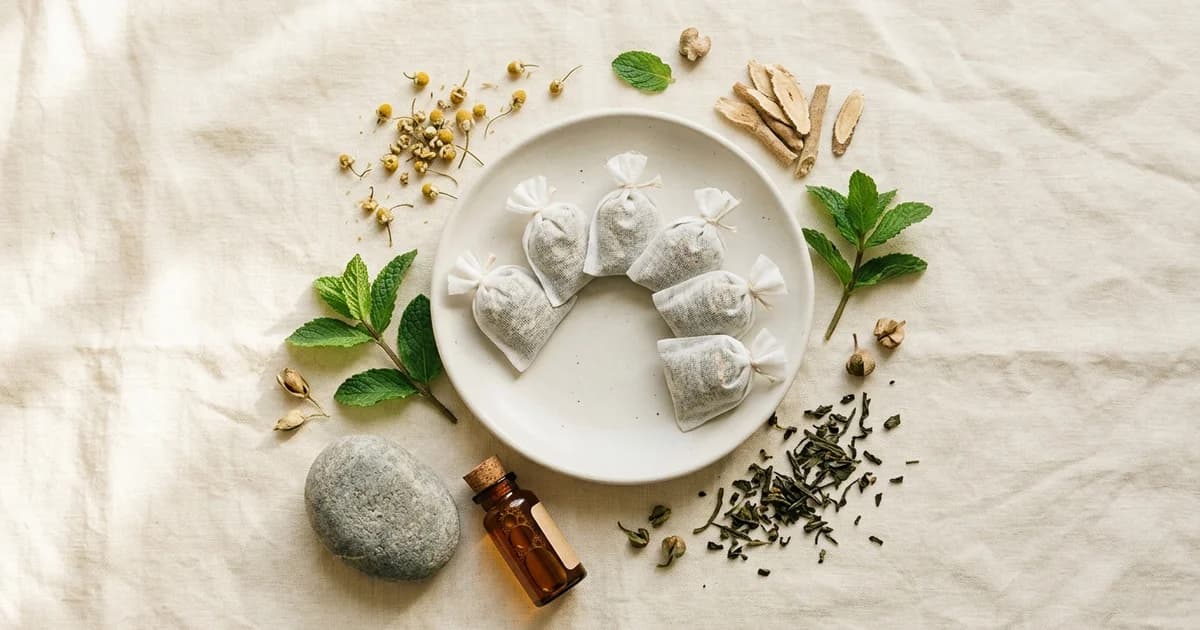
Tea is one of several lower-acid caffeine sources that carries a lighter acid load and a slower caffeine release thanks to its own dose of L-theanine, an amino acid that smooths the stimulation. For many reflux-prone people, switching the morning cup to green tea or matcha quiets the burn while keeping focus intact.
Skip the cup, keep the caffeine
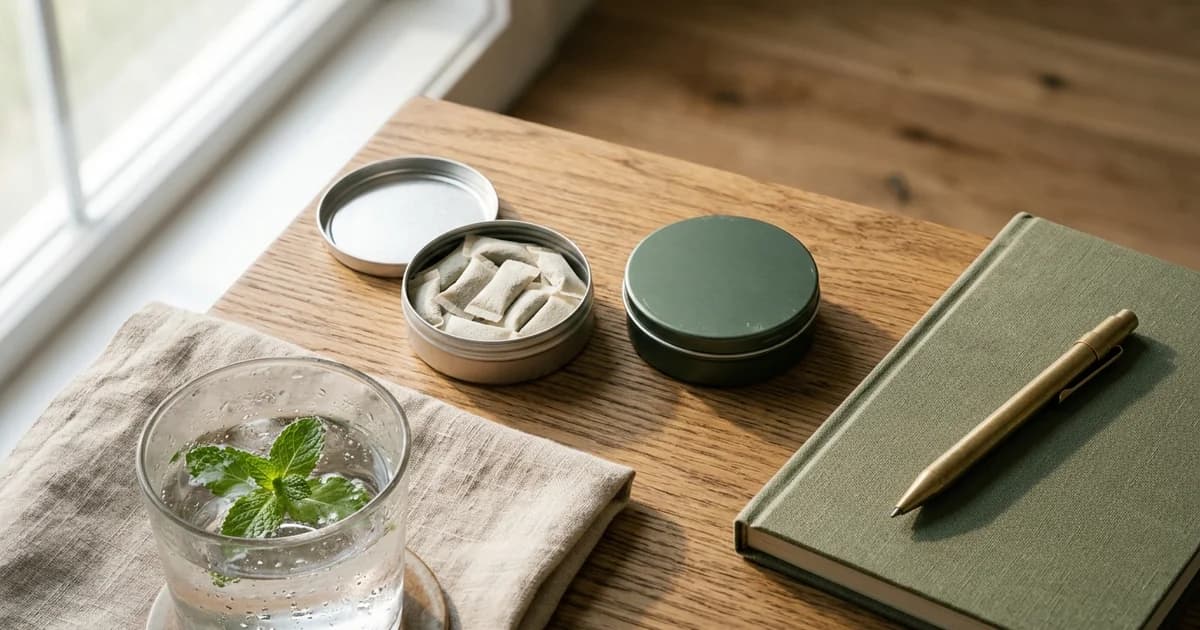
The most direct fix is to separate the caffeine from the coffee entirely. If the problem is coffee's acids and its effect on your stomach valve, a delivery method that never touches your stomach sidesteps both. That's where sublingual options come in, which we'll get to after the practical relief tips.
How to Relieve Stomach Pain From Coffee Right Now
If the burn already started, you want fast relief, not a chemistry lecture. Here's how to relieve stomach pain from coffee in order of what works quickest.
- Eat something bland. A banana, crackers, or oatmeal can absorb and buffer excess acid.
- Drink water. Plain water dilutes stomach acid and helps move it down. Sip, don't chug.
- Stay upright. Don't lie down for at least an hour. Gravity keeps acid where it belongs.
- Try ginger. Ginger tea has a long track record of settling nausea and may calm the stomach.
- Wait it out, then adjust. Note what you ate, how much coffee, and on what timing. Patterns reveal your trigger.
If pain is severe, frequent, or comes with trouble swallowing, that's a doctor conversation, not a coffee swap.
Building a Smarter Caffeine Habit
The goal isn't to fear coffee. It's to match your caffeine source to your gut.
Start by fixing timing: never on an empty stomach. Then test a lower-acid brew like cold brew or a switch to tea for a week. If symptoms persist, the issue may be the coffee compounds themselves, not just the dose, and that points toward a non-coffee caffeine source.
For more on steady energy without the spike, see our guides on caffeine without the crash and coffee alternatives for clean focus.
Conclusion
Coffee hurts your stomach for two reasons that work in tandem: it ramps up acid production and relaxes the valve meant to contain that acid. The acidity you taste in the cup is a minor player. What matters is how the bean's compounds act on your body.
That means the smartest fixes target the mechanism, not just the flavor. Eat before you drink, test lower-acid brews, watch your timing, and pay attention to your own pattern instead of the population average. And if coffee's compounds keep winning no matter what you try, the answer may be getting your caffeine from somewhere that never asks your stomach to work harder.
Frequently Asked Questions
Why does coffee make my stomach hurt but tea doesn't?
Coffee is a stronger stimulant of gastric acid and relaxes the lower esophageal sphincter more than tea does. Tea also contains L-theanine, which smooths caffeine's edge, and it generally carries a lighter acid load. For sensitive stomachs, that combination makes tea far gentler than a comparable cup of coffee.
Does decaf coffee still cause heartburn?
Sometimes, yes. Decaf removes most caffeine, which lowers acid secretion a bit. But the chlorogenic acids and other compounds that stimulate your stomach and relax the LES mostly remain. If decaf still gives you heartburn, the issue is coffee's non-caffeine compounds, and a non-coffee caffeine source may serve you better.
Is cold brew easier on your stomach?
For mild sensitivity, often yes. Cold brewing extracts fewer acidic compounds than hot brewing, so the drink lands slightly lower on acidity. It still contains caffeine and can still relax your anti-reflux valve, so people with significant reflux may not get much relief from cold brew alone.
How long does coffee stomach pain last?
It varies, but discomfort usually eases within one to two hours as your stomach empties and acid levels normalize. Eating bland food, sipping water, and staying upright speed up relief. If pain regularly lasts longer or returns daily, talk to a doctor to rule out an underlying condition.
Does drinking coffee on an empty stomach make it worse?
Yes, for most sensitive people. Without food to buffer it, coffee-stimulated acid hits bare stomach lining and can reflux upward more easily. Eating even a small amount before your cup often reduces or removes the discomfort entirely, which is one of the simplest fixes to try first.
Can I keep caffeine if coffee upsets my stomach?
Absolutely. The caffeine molecule isn't the only culprit; coffee's acids and its effect on your stomach valve drive much of the trouble. Switching to tea, matcha, or a sublingual caffeine source lets you keep the mental boost while avoiding the coffee compounds that irritate your gut.
Does coffee cause acid reflux in everyone?
No. Coffee is a common trigger, not a universal cause. Research shows the link is strongest for people already prone to reflux, while many drinkers feel nothing. Your individual sensitivity, timing, and what else you eat matter more than the simple fact that you drink coffee.
The Caffeine Source That Skips Your Stomach
If you've worked through the timing fixes, the cold brew, and the decaf and coffee still wrecks your gut, the problem probably isn't your habits. It's the coffee compounds themselves. That's the gap Roon was built for.
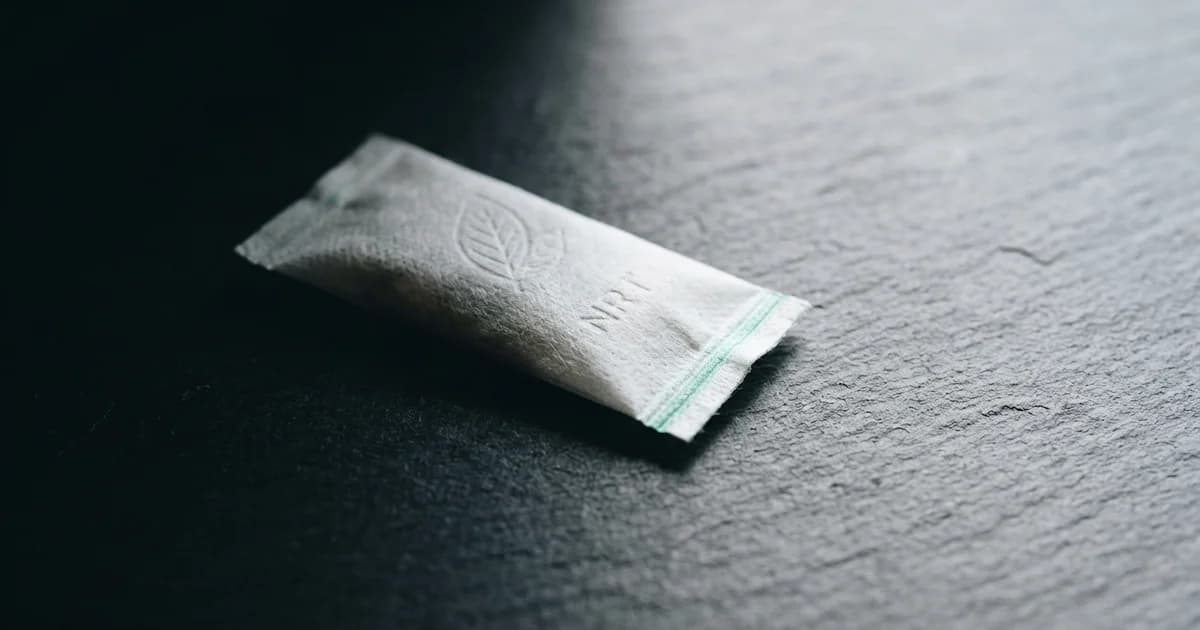
Roon is a zero-sugar sublingual pouch that delivers caffeine through the tissue under your lip, so it never floods your stomach with coffee's acids or relaxes your anti-reflux valve the way a cup does. Each pouch pairs 80 mg caffeine with 60 mg L-theanine, plus 25 mg methylliberine (Dynamine) and 5 mg theacrine (TeaCrine), for focus that comes on in 5 to 10 minutes and holds for 6 to 8 hours with no jitters and no crash.
To be clear, Roon still contains caffeine, so it's not the move if you're cutting stimulants entirely or if a doctor has told you to avoid them. But if your gut hates coffee and you still want the focus, try Roon as the cleaner way to get there.
Written by Roon Team