Study Tips for Final Exams: What Actually Works
Roon Team
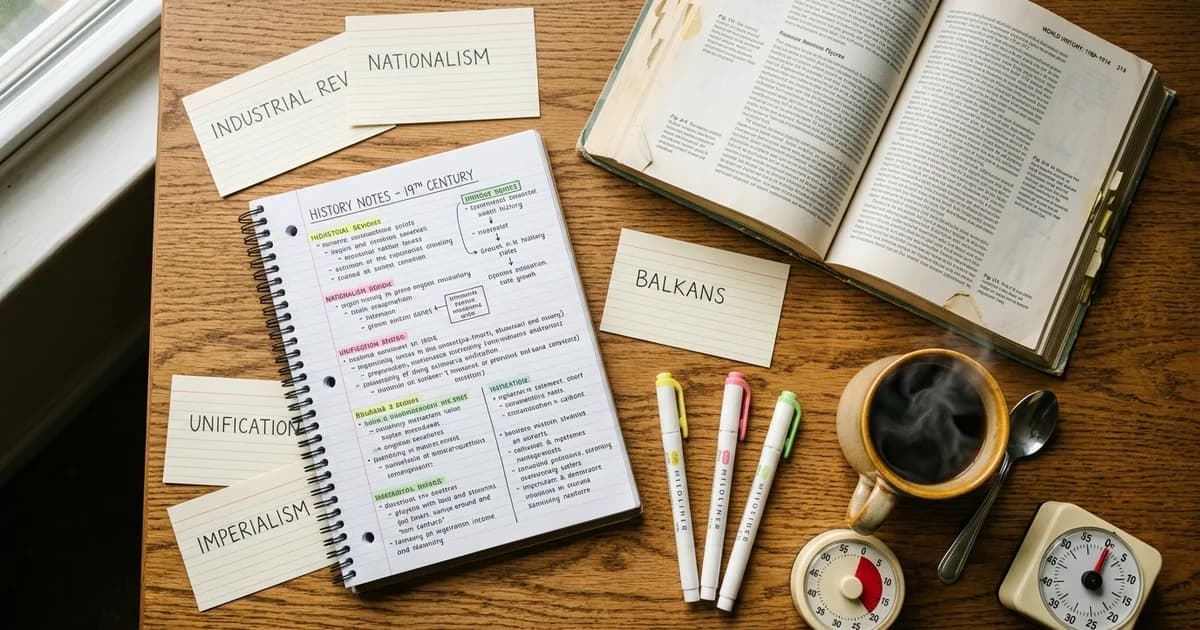
Study Tips for Final Exams: What Actually Works (According to Science)
You've been staring at the same page for 40 minutes. Nothing's sticking. If you're searching for study tips for final exams, you're not alone. Finals are in a week, and the highlighter in your hand is doing absolutely nothing for your GPA.
Here's the uncomfortable truth: most of what students do to prepare is a waste of time. Re-reading notes. Highlighting textbooks. Watching lecture recordings at 2x speed. These feel productive. They aren't. A large-scale review by Dunlosky et al. rated these common strategies as having "low utility" for actual learning.
The study tips for final exams that do work are less intuitive, a little harder, and backed by decades of cognitive science. This guide covers them.
Key Takeaways
- Active recall and spaced repetition are the two highest-rated study strategies according to cognitive psychology research, and they form the backbone of any effective study tips for final exams.
- Cramming destroys retention. You might pass the test, but you'll forget almost everything within days.
- Sleep is non-negotiable. Pulling an all-nighter before an exam actively damages your cognitive performance.
- Your study environment, timing, and what you put in your body all affect how well information encodes into long-term memory.
Why Most Study Tips for Final Exams Don't Work
The most popular study habits among college students are also the least effective. According to research cited by Faculty Focus, somewhere between 25% and 50% of students rely on cramming as their primary exam prep strategy. A survey of pharmacy students found that 91% of students relied on re-reading notes, textbooks, or re-watching videos.
These methods feel effective because of a psychological trap called fluency bias. When you re-read something, it feels familiar. Familiar feels like learned. But recognition is not the same as recall. You can recognize a concept on the page and still go completely blank when you see it on an exam. That's why so many popular study tips for final exams lead students astray.
The Dunlosky review evaluated 10 common study techniques across hundreds of experiments. Only two earned a "high utility" rating: practice testing (active recall) and distributed practice (spaced repetition). Everything else, including summarization, highlighting, and re-reading, landed in the low-to-moderate range.
So if you're serious about your exam scores, stop doing what feels easy and start doing what the data says works.
The Two Strategies That Actually Move the Needle
Active Recall: Test Yourself Before the Test
Of all the study tips for final exams backed by research, active recall sits at the top. Active recall means forcing your brain to retrieve information from memory without looking at the source material. Flashcards, practice questions, writing out everything you know about a topic from memory on a blank page: all of these count.
Why does it work? Every time you successfully retrieve a piece of information, the neural pathway to that memory gets stronger. This is called the testing effect, and it's one of the most replicated findings in cognitive psychology.
Here's how to apply this study tip for final exams during your prep:
- Close your notes. After reading a section, put the material away and write down everything you remember.
- Use flashcards strategically. Don't just flip through them passively. Actively try to answer before checking the back.
- Take practice exams. If your professor provides old exams, use them under timed conditions. If not, write your own questions.
- Teach it to someone else. Explaining a concept out loud exposes gaps in your understanding faster than any other method.
The key is that it should feel difficult. If recall feels effortless, you're probably not learning much. The struggle is the signal that your brain is building stronger memory traces.
Spaced Repetition: Stop Cramming, Start Spacing
Spaced repetition is one of the most powerful study tips for final exams, and it's the practice of reviewing material at gradually increasing intervals over time. Instead of studying organic chemistry for six hours the night before the exam, you study it for one hour across six different days.
Research by Gilbert et al. found that students using spaced-repetition tools like Anki scored 6.2% to 10.7% higher on standardized exams compared to those using traditional study methods. That's the difference between a B- and a B+, or a B+ and an A-.
The science behind this is straightforward. Your brain consolidates memories during the gaps between study sessions. Each time you revisit material right as you're about to forget it, you push the memory deeper into long-term storage. Cramming skips this consolidation process entirely, which is why you can ace a test on Friday and remember almost nothing by Monday.
A simple spacing schedule, and one of the most practical study tips for final exams you can follow:
| Days Before Exam | What to Study |
|---|---|
| 14 days out | First pass through all material. Identify weak areas. |
| 10 days out | Review weak areas using active recall. |
| 7 days out | Full practice test. Note what you missed. |
| 4 days out | Targeted review of missed concepts only. |
| 2 days out | Light review. Practice test under timed conditions. |
| Night before | Brief review of key formulas or terms. Then sleep. |
The Study Habits That Support Your Brain (Not Just Your Schedule)
Technique matters, but so does the biological state of the brain doing the studying. The best study tips for final exams go beyond flashcards and schedules. Three factors determine how well your brain encodes and retrieves information: sleep, exercise, and what you consume.
Sleep: The Non-Negotiable
This is where most students sabotage themselves. The all-nighter feels heroic. It isn't.
Research published in the journal Sleep found that sleep deprivation impairs working memory and executive function, the exact cognitive abilities you need during an exam. Your brain consolidates new memories during deep sleep. Cut that process short, and the hours you spent studying are partially wasted.
A longitudinal study of medical students linked progressive sleep deprivation to declining cognitive function and academic performance over a three-month period. The damage isn't just acute. It accumulates. No list of study tips for final exams is complete without this one: sleep is a study strategy.
The rule is simple: seven to eight hours of sleep the night before an exam is worth more than three extra hours of studying. Your brain needs offline processing time to turn short-term memories into retrievable knowledge.
Exercise: 20 Minutes That Pay Off
Physical activity before a study session primes your brain for learning. Exercise increases blood flow to the hippocampus (the brain's memory center) and triggers the release of brain-derived neurotrophic factor (BDNF), a protein that supports the growth and maintenance of neurons.
You don't need to run a marathon. A 20-minute walk, a quick bodyweight workout, or a bike ride is enough to see benefits. The timing matters: exercise before studying appears to have the strongest effect on memory encoding.
During finals week, when stress is high and your instinct is to chain yourself to a desk for 12 hours, a short exercise break is one of the highest-return study tips for final exams you can follow.
What You Put In Your Body
Caffeine is the most widely used cognitive enhancer on the planet, and for good reason. It works. But how you use it matters.
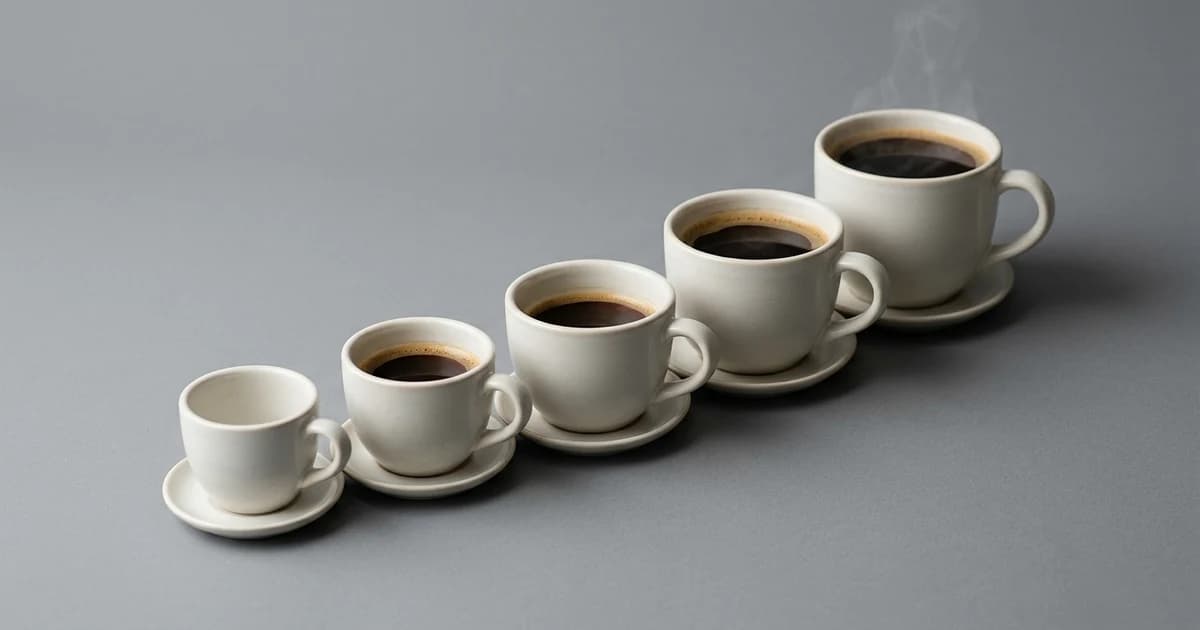
A single large coffee (200-300mg of caffeine) can spike your alertness and then drop you into a crash two hours later, right in the middle of a study session. Smaller, more controlled doses of caffeine, paired with compounds that smooth out the stimulant curve, tend to produce better sustained focus during study sessions.
A systematic review published in Cureus found that the combination of caffeine and L-theanine improved short-term sustained attention and overall cognition. Another study found that 97mg of L-theanine combined with 40mg of caffeine helped participants focus attention during a demanding cognitive task. The L-theanine takes the edge off the caffeine jitters while preserving (and even enhancing) the focus benefits.
This is why the "just drink more coffee" approach to studying has diminishing returns. It's not just about stimulation. It's about controlled stimulation, and that makes nutrition one of the most overlooked study tips for final exams.
The Environment and Timing Factors Most People Ignore
Study Location Matters
Your brain encodes context along with content. If you always study in the same spot, your recall becomes partially dependent on that environment. Research on context-dependent memory suggests that varying your study locations can actually improve retrieval across different settings, like, say, an exam hall that looks nothing like your dorm room.
Alternate between two or three study spots. The library, a coffee shop, a quiet common room. This forces your brain to associate the material with the knowledge itself rather than with a specific chair. Among lesser-known study tips for final exams, this one is easy to implement and surprisingly effective.
Time of Day Matters
Staying awake through late sessions is tempting, but most people have a peak cognitive window of about four to six hours per day. For the majority of adults, this falls in the late morning. Scheduling your hardest study sessions during your natural peak, rather than at midnight when willpower is the only thing keeping you upright, produces better results per hour invested.
Track your energy for a few days. Notice when you feel sharpest. Protect that window for your most demanding material.
The 25/5 Rule
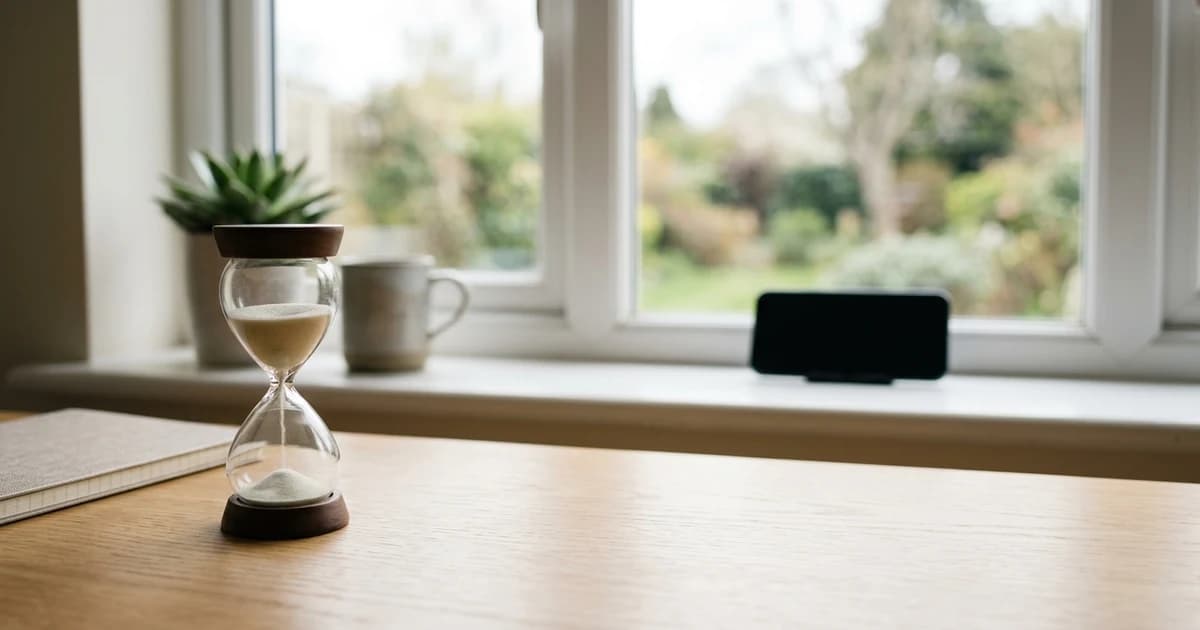
Sustained attention declines after roughly 25 to 30 minutes of focused work. Instead of grinding through three-hour blocks with no breaks, try working in 25-minute focused intervals followed by 5-minute breaks. After four cycles, take a longer break of 15 to 20 minutes.
This isn't about being soft. It's about working with your brain's natural attention cycle instead of fighting against it. You'll retain more per hour and burn out less by the end of the day. Among study tips for final exams, time management techniques like this one are easy to overlook but hard to beat.
What to Do the Day Before the Exam
The day before the test is not the time for new material. If you haven't learned it by now, a frantic cram session won't save you. These study tips for final exams focus on what actually helps in the final 24 hours:
- Do a light review. Flip through your flashcards or skim your summary notes. Keep it under 90 minutes.
- Take one practice test. Timed, closed-book. Use it as a diagnostic, not a learning session.
- Exercise. Even a 20-minute walk will reduce cortisol and improve your mood.
- Eat a real meal. Your brain runs on glucose. Feed it.
- Sleep. Full night. No negotiation.
The students who perform best on exams aren't the ones who studied the most hours. They're the ones who followed the right study tips for final exams and showed up rested.
Study Smarter Without a Prescription
Every finals season, the same pattern plays out. Students reach for whatever they think will give them an edge: too much coffee, energy drinks loaded with sugar, or worse, someone else's prescription stimulants. The short-term boost comes with a long list of problems, from jitters and crashes to serious legal and health risks.
There's a better approach. Roon is a zero-nicotine sublingual pouch built specifically for sustained cognitive performance. It combines 80mg of caffeine with L-theanine, theacrine, and methylliberine, a stack designed to deliver six to eight hours of clean, steady focus without the crash or tolerance buildup that comes with high-dose caffeine or stimulant drugs.
No prescription. No jitters. No crash. Just the kind of controlled, sustained focus that pairs perfectly with the study tips for final exams outlined above.
Your finals don't require a miracle. They require a plan, the right techniques, and a brain that's actually functioning at its best. Give Roon a try and see what studying feels like when your focus actually holds.