Nootropic Gum: What You Need to Know Before You Chew
Roon Team

Nootropic Gum: What You Need to Know Before You Chew
Your morning coffee takes 45 minutes to hit. Your energy drink is a sugar bomb with a crash baked in. Nootropic gum promises something different: chew a piece, absorb the active ingredients through your mouth's lining, and feel sharper in minutes. It's a compelling pitch, and the science behind buccal absorption is real. But the category has limits that most brands would rather you didn't think about.
Here's what actually holds up, what doesn't, and what to look for if you want cognitive support that goes beyond a stick of gum.
Key Takeaways
- Nootropic gum delivers caffeine faster than capsules or coffee because of buccal (through-the-cheek) absorption, with peak plasma levels reached roughly 40-50% sooner.
- Most nootropic gums rely on just two ingredients: caffeine and L-theanine. That's a solid foundation, but it's a floor, not a ceiling.
- Tolerance is the hidden problem with caffeine-only products. Your body adapts, and you need more to get the same effect.
- The delivery format matters as much as the formula. Gum has real advantages over pills, but pouches may do it better.
What Is Nootropic Gum, Exactly?
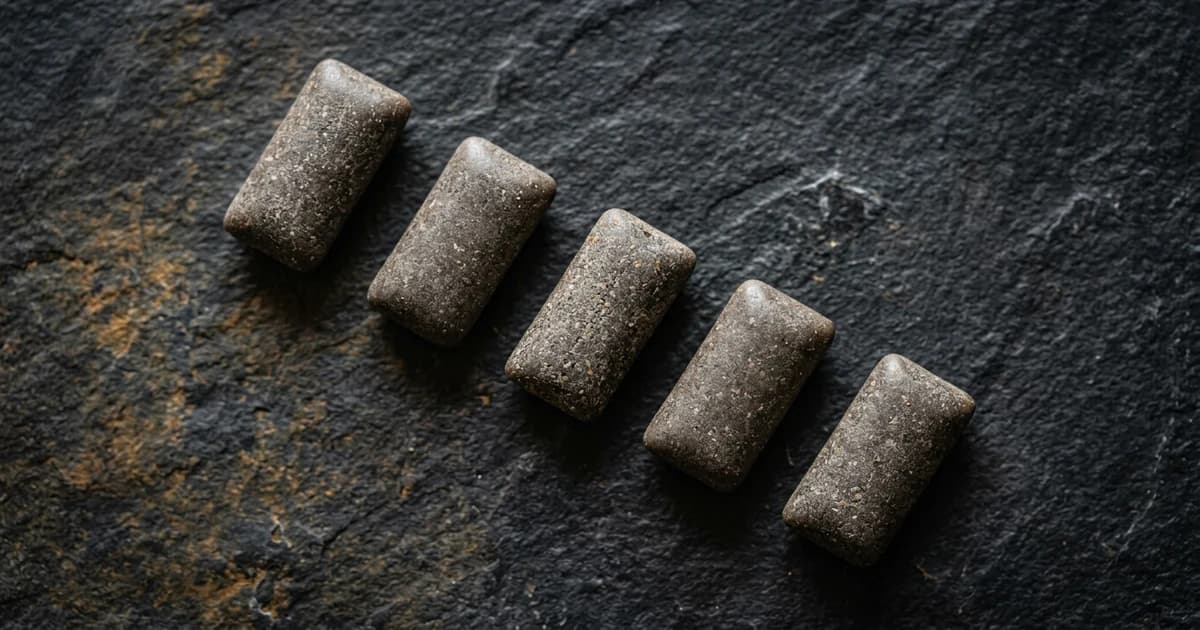
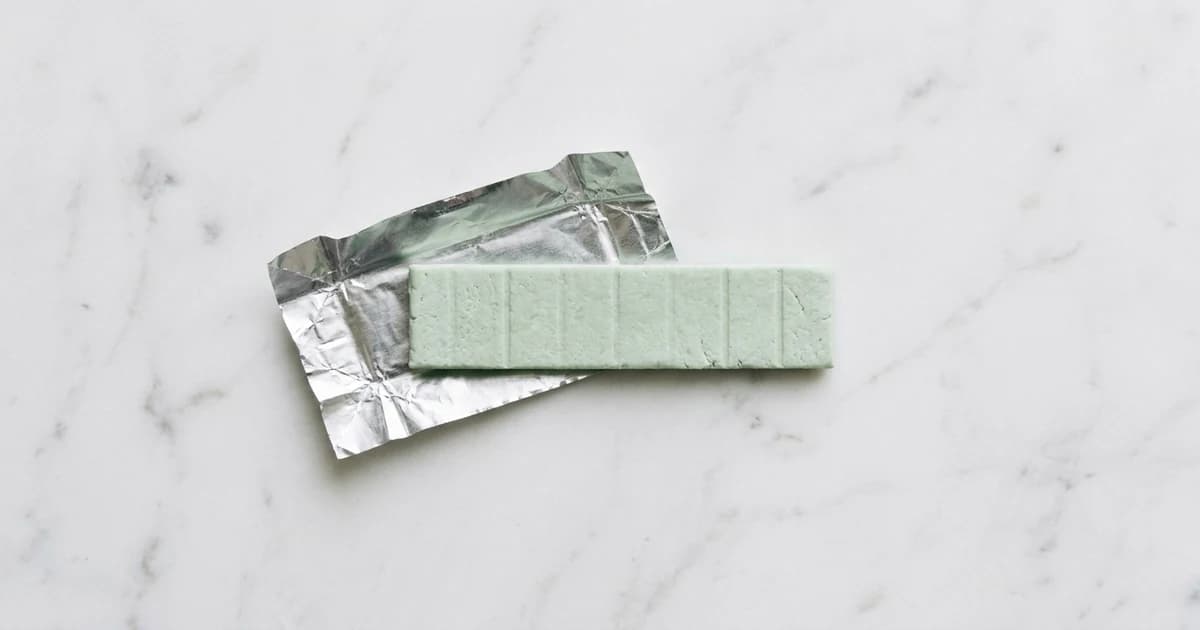
Nootropic gum is chewing gum infused with compounds designed to support focus, alertness, or mood. The "nootropic" label comes from the Greek noos (mind) and tropos (turning), and it broadly refers to any substance that supports cognitive function.
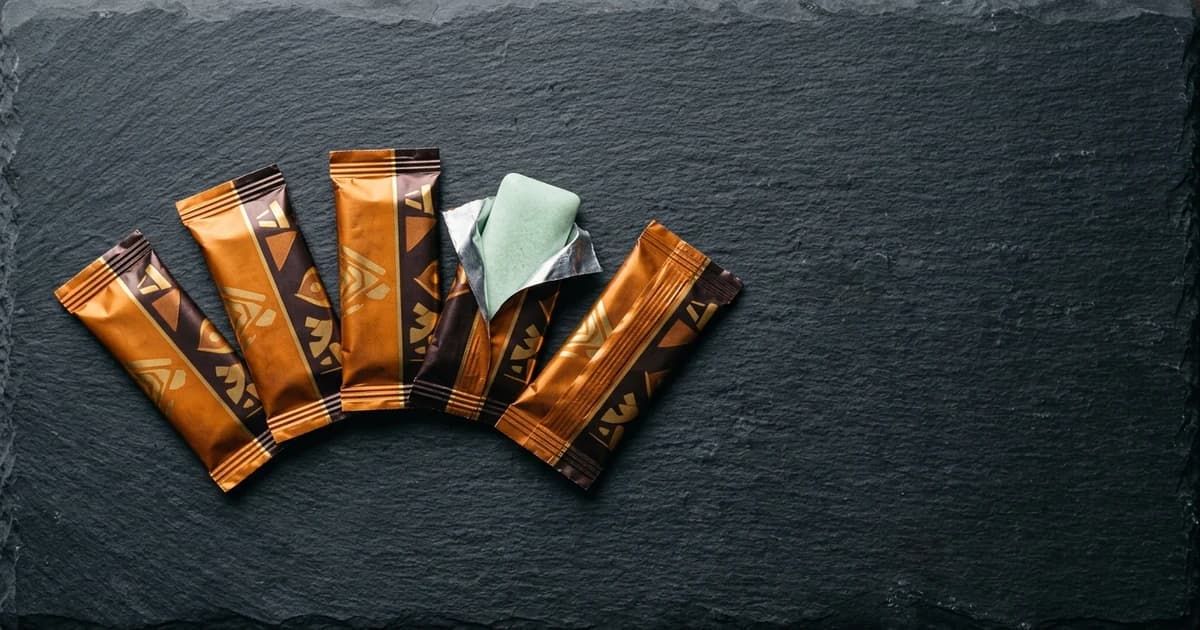
The most common nootropic gum on the market right now is Neuro Gum, which combines 40mg of natural caffeine with 60mg of L-theanine and B vitamins per piece. An Extra Strength version bumps the caffeine to 100mg. Other brands exist, but Neuro dominates the category. Its own FAQ says the gum is sold on Amazon and in thousands of retail stores across the U.S., which is as far as the brand's published numbers go.
The concept is simple. Instead of drinking your stimulants, you chew them. And that distinction is more than cosmetic.
The Science of Buccal Absorption: Why Gum Hits Faster
The inside of your mouth is lined with mucous membranes rich in blood vessels. When a substance dissolves against this tissue, it enters your bloodstream directly, bypassing the digestive system and liver (a process called first-pass metabolism). That shortcut is why sublingual and buccal delivery methods have been used in medicine for decades, from nitroglycerin tablets to certain pain medications.
For caffeine specifically, the data is clear. A study published in the International Journal of Pharmaceutics compared caffeine absorption from chewing gum versus capsules. The gum formulation reached peak plasma concentration (Tmax) in 44 to 80 minutes, compared to 84 to 120 minutes for capsules. That's a meaningful head start when you need to be sharp for a meeting, a workout, or a late-night session.
This faster onset is the single strongest argument for choosing gum (or any oral-mucosal format) over a pill or a drink. You're not waiting for your stomach to do its job. The caffeine is already in your blood while someone else is still sipping their cold brew.
What's Actually Inside Most Nootropic Gums?
Here's where things get interesting, and a little disappointing. Most nootropic gums contain a narrow set of ingredients:
| Ingredient | Typical Dose (per piece) | What It Does |
|---|---|---|
| Caffeine | 40-100mg | Blocks adenosine receptors, promoting alertness |
| L-Theanine | 60-200mg | Amino acid that promotes calm focus, smooths caffeine's edge |
| B Vitamins (B6, B12) | Varies | Supports energy metabolism |
The caffeine and L-theanine pairing is well-researched. A study in Nutritional Neuroscience found that combining moderate doses of L-theanine and caffeine improved accuracy during task switching and boosted self-reported alertness, while reducing tiredness. The two compounds balance each other: caffeine provides the drive, L-theanine files down the jittery edges.
That said, caffeine plus L-theanine is a starting point. It's the Honda Civic of nootropic stacks. Reliable, efficient, gets you where you need to go. But it's not the full picture of what's possible.
The Ingredients Most Gums Are Missing
Two compounds deserve attention that you won't find in any nootropic gum on the market right now.
Theacrine is a purine alkaloid structurally similar to caffeine but with a longer half-life and, critically, less habituation. That last part matters. One of caffeine's biggest weaknesses is tolerance: use it daily, and within a week or two, you need more to get the same effect. Theacrine doesn't appear to follow that pattern. Research from Compound Solutions shows it influences adenosine receptors and dopamine pathways without the tolerance buildup that plagues caffeine.
Methylliberine (branded as Dynamine) acts even faster than theacrine, with a shorter onset time and effects on mood and perceived energy. A study published in Cureus found that a combination of caffeine, theacrine, and methylliberine improved cognitive performance and reaction time in adult male esports players, without increasing anxiety or interfering with mood.
When you stack all four compounds together (caffeine, L-theanine, theacrine, and methylliberine), you get something more sophisticated than any gum currently offers: fast onset from the caffeine and methylliberine, sustained duration from the theacrine, and smooth focus from the L-theanine. No single ingredient does all of that. The combination does.
Nootropic Gum vs. Coffee vs. Energy Drinks
Let's put the options side by side.
| Factor | Coffee | Energy Drink | Nootropic Gum |
|---|---|---|---|
| Caffeine Dose | 80-200mg per cup | 80-300mg per can | 40-100mg per piece |
| Onset Time | 30-60 min | 20-45 min | 15-30 min (buccal) |
| Added Sugar | Depends on preparation | Often 25-55g | Zero |
| L-Theanine | No (unless added) | Rarely | Yes |
| Portability | Low (liquid, hot) | Medium (can) | High (fits in pocket) |
| Duration | 2-4 hours | 1-3 hours (often with crash) | 2-4 hours |
| Calories | 0-300+ | 10-250 | ~5 |
Coffee is fine. Nobody is arguing against a well-made cup. But coffee is also a liquid that stains your teeth, requires preparation, and delivers caffeine through your gut on a timeline you can't control. Energy drinks layer in sugar, artificial colors, and doses of caffeine that can push past the FDA's general guideline of 400mg per day faster than most people realize.
Nootropic gum solves the portability and speed problem. It's discreet, fast-acting, and sugar-free. The trade-off? Limited ingredient space. Gum can only hold so much active material before the texture, taste, or dissolution rate suffers.
The Real Limitations of Nootropic Gum
No product review is honest without talking about the downsides. Here's what the marketing won't tell you:
1. Dosing Consistency Is Tricky
How long you chew, how vigorously you chew, and where the gum sits in your mouth all affect how much of the active ingredient actually absorbs through the buccal membrane versus getting swallowed. The International Journal of Pharmaceutics study noted that while absorption rate was faster for gum, the overall bioavailability ranged from 64% to 77% depending on the dose. Some of the active compound ends up in your stomach anyway.
2. Ingredient Ceiling
Gum is a limited delivery vehicle. You can pack caffeine and L-theanine into it reasonably well, but adding multiple compounds at effective doses is a formulation challenge. That's why most nootropic gums top out at two or three active ingredients.
3. Jaw Fatigue and Duration
Chewing is work. If you're someone who needs sustained cognitive support for four to six hours, you're looking at chewing multiple pieces. That's a lot of jaw action, and it's not exactly subtle in a meeting or a quiet office.
4. Tolerance Still Wins
If your gum's primary active ingredient is caffeine, you'll build tolerance to it just like you do with coffee. Within two to three weeks of daily use, the same dose produces a weaker response. This is the fundamental problem with caffeine-only nootropic products, and most gums fall squarely into that category.
What to Look for in a Nootropic Oral Product
If you're shopping this category, here's a quick checklist:
- Multi-compound formula: Caffeine alone isn't enough for sustained performance. Look for L-theanine at minimum, and ideally theacrine or methylliberine for duration and anti-tolerance effects.
- Transparent dosing: The label should tell you exactly how many milligrams of each active ingredient you're getting. "Proprietary blend" is a red flag.
- Buccal or sublingual delivery: Oral mucosal absorption is faster than swallowing a pill. The format should be designed to sit against the tissue, not just be chewed and swallowed.
- No sugar, no nicotine: You want cognitive support, not a blood sugar spike or a new dependency.
Beyond Gum: The Case for Pouches
Nootropic gum proved the concept. Buccal delivery of cognitive compounds works, and people want a fast, portable alternative to coffee and energy drinks. But gum's limitations (inconsistent dosing, limited ingredient capacity, jaw fatigue) point toward a better format.
A sublingual pouch sits between your lip and gum, dissolving steadily against the mucosal tissue. No chewing required. The contact time is longer and more consistent than gum, which means more reliable absorption. And because you're not limited by the mechanics of a chewable base, a pouch can carry a fuller stack of active compounds at clinical doses.
Roon is built on exactly this idea. It's a zero-nicotine sublingual pouch that delivers 80 mg of caffeine, 60 mg of L-theanine, 25 mg of methylliberine, and 5 mg of theacrine in a single format. That's the full four-compound stack: fast onset, smooth focus, sustained duration of six to eight hours, and reduced tolerance buildup from the theacrine. It satisfies the same oral fixation that draws people to gum or nicotine pouches, but without the nicotine, the sugar, or the two-ingredient ceiling.
If nootropic gum is where this category started, pouches are where it's going. A pouch that actually works for you, not the other way around. Try Roon here.