Nattokinase: The Fermented Soy Enzyme Your Cardiologist Hasn't Mentioned Yet
Roon Team
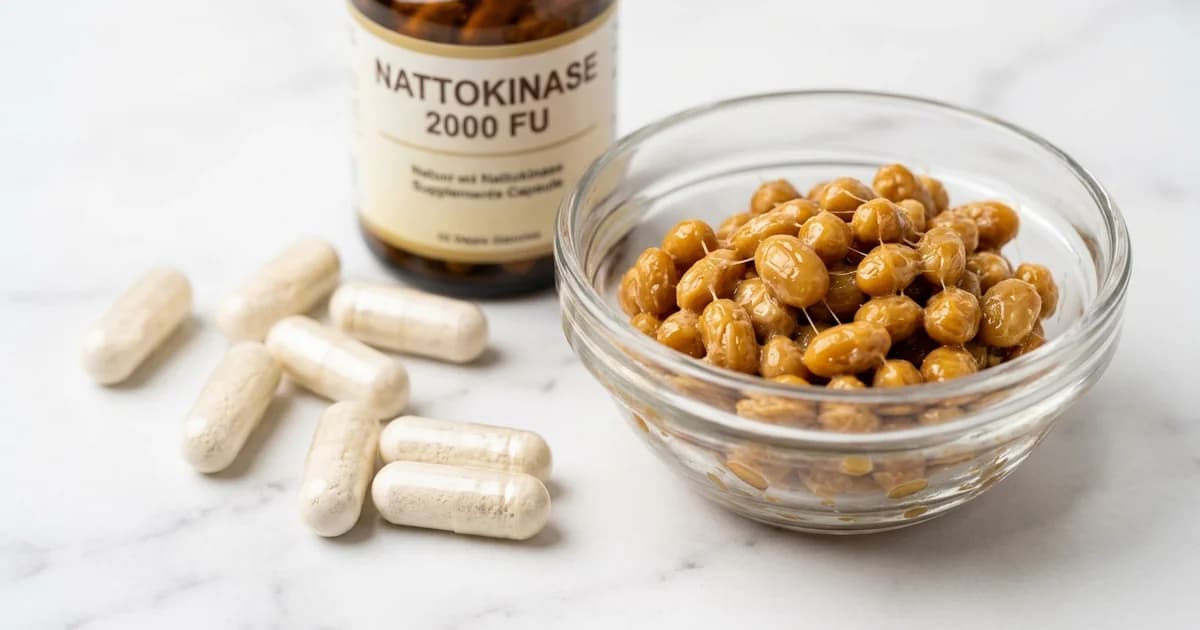
Nattokinase: The Fermented Soy Enzyme Your Cardiologist Hasn't Mentioned Yet
Nattokinase is a fibrinolytic enzyme extracted from natto, a traditional Japanese fermented soybean dish that's been eaten for over a thousand years. In the West, it's only recently started showing up in supplement aisles, usually marketed for cardiovascular and circulatory support. The clinical data behind it is growing, and some of it is genuinely interesting.
But the nattokinase supplement market is a mess. Doses vary wildly between brands. Some products contain a fraction of the enzyme activity printed on the label. And most consumers have no idea what "fibrinolytic units" even means.
This guide breaks down what nattokinase actually does, what the research says about dosage, and how the most popular nattokinase supplements compare head-to-head.
Key Takeaways
- Nattokinase is a serine protease enzyme that supports the body's natural ability to break down fibrin, a protein involved in blood clot formation.
- Clinical trials have shown modest but real effects on blood pressure and certain lipid markers at doses of 2,000 FU and above.
- Most supplements deliver 2,000 to 4,000 FU per serving, but a large clinical study found that 10,800 FU/day was the threshold for managing atherosclerosis progression.
- Safety is well-established at standard doses, but nattokinase should not be combined with blood thinners without medical supervision.
What Is Nattokinase and How Does It Work?
Nattokinase isn't actually a kinase (the name is misleading). It's an alkaline serine protease produced by Bacillus subtilis during the fermentation of soybeans into natto. The enzyme was first identified by Japanese researcher Dr. Hiroyuki Sumi in 1987, and it's been studied for its effects on the cardiovascular system ever since.
The primary mechanism is fibrinolysis: nattokinase helps break down fibrin, the mesh-like protein that forms the structural backbone of blood clots. It does this both directly (by cleaving fibrin strands) and indirectly (by activating the body's own plasminogen into plasmin, another clot-dissolving enzyme).
This matters because excessive fibrin buildup is linked to poor circulation, elevated blood pressure, and increased cardiovascular risk. A review published in PMC noted that nattokinase possesses fibrinolytic activity along with antihypertensive and lipid-lowering properties, and that natto consumption has been linked to reduced cardiovascular disease mortality.
Beyond Clot Support
Nattokinase benefits extend past fibrinolysis. Emerging research suggests the enzyme may also:
- Support healthy blood pressure. A randomized, controlled trial published in Hypertension Research found that 8 weeks of nattokinase supplementation reduced systolic blood pressure by 5.55 mmHg compared to placebo in subjects with pre-hypertension or stage 1 hypertension.
- Influence lipid levels. A 2024 systematic review and meta-analysis of six randomized controlled trials with 546 participants found that nattokinase supplementation produced lower triglyceride and total cholesterol levels compared to control groups, though effects on HDL and LDL were not statistically significant.
- Promote healthy circulation. By reducing blood viscosity and supporting fibrin breakdown, nattokinase may help maintain normal blood flow, particularly in smaller vessels.
Nattokinase Dosage: How Much Do You Actually Need?
This is where things get complicated. Nattokinase dosage is measured in fibrinolytic units (FU), not milligrams, because the enzyme's biological activity matters more than its raw weight. A 100 mg capsule typically delivers around 2,000 FU, but potency can vary between manufacturers.
Here's what the research supports:
| Dose (FU/day) | Duration | Observed Effects | Source |
|---|---|---|---|
| 2,000 FU | 8 weeks | Reduced systolic blood pressure by ~5.5 mmHg | Hypertension Research |
| 2,000 FU | Up to 3 years | Generally safe, supports fibrinolytic activity | WebMD |
| 3,600 FU | 12 months | Ineffective for atherosclerosis management | PMC |
| 10,800 FU | 12 months | Effective management of atherosclerosis progression and hyperlipidemia | PMC |
The standard nattokinase supplement delivers 2,000 FU per capsule, and that's the dose the European Food Safety Authority (EFSA) has noted does not cause adverse effects. But a large clinical study with 1,062 participants found that 10,800 FU/day was needed to effectively manage atherosclerosis progression and hyperlipidemia, while the lower dose of 3,600 FU/day was ineffective.
The takeaway: 2,000 FU is a reasonable starting point for general cardiovascular support. If you're targeting specific lipid or arterial health goals, the evidence points toward higher doses, but only under medical guidance.
Nattokinase Supplement Comparison: 5 Popular Brands
Not all nattokinase supplements are created equal. A 2025 ConsumerLab review tested eight brands and found that several contained far less enzyme activity than their labels claimed. That's a real problem with an enzyme-based supplement where potency is everything.
Here's how five of the most popular options stack up:
| Brand | Dose per Serving | FU per Serving | Key Extras | Form | Approx. Servings |
|---|---|---|---|---|---|
| Doctor's Best | 100 mg (1 cap) | 2,000 FU | None | Veggie capsule | 90 |
| NOW Foods | 100 mg (1 cap) | 2,000 FU | None | Veggie capsule | 60 or 120 |
| Pure Encapsulations NSK-SD | 100 mg (1 cap) | 2,000 FU | None (hypoallergenic formula) | Veggie capsule | 120 |
| Double Wood | 200 mg (2 caps) | 4,000 FU | None | Veggie capsule | 60 |
| Toku Flow | N/A (powder sachet) | 10,800 FU | Vitamin K2 (MK-7), Oat Beta-Glucan | Powder sachet | 30 |
Doctor's Best Nattokinase
A budget-friendly, no-frills option. Doctor's Best delivers the standard 2,000 FU per capsule with minimal excipients (maltodextrin, magnesium stearate). It's straightforward and widely available. The downside: 2,000 FU is the lowest clinically studied dose, and there are no complementary ingredients.
NOW Foods Nattokinase
Similar profile to Doctor's Best. NOW Foods offers 2,000 FU per capsule from non-GMO soy, priced between $25.99 and $45.99 depending on count. Clean ingredient list. Same limitation: single-ingredient, baseline dose.
Pure Encapsulations NSK-SD
The premium single-ingredient option. Pure Encapsulations uses the patented NSK-SD form of nattokinase, which removes vitamin K2 from the enzyme extract. This is relevant if you're on anticoagulant therapy and need to avoid vitamin K. The recommended dose is 1 capsule twice daily (4,000 FU total), and the hypoallergenic formula skips common fillers.
Double Wood Nattokinase
Double Wood steps up to 4,000 FU per serving (two capsules of 2,000 FU each). Manufactured in the USA, vegetarian, non-GMO. A solid mid-range choice for people who want more than the baseline dose without going to clinical-trial levels.
Toku Flow
The outlier. Toku Flow delivers 10,800 FU per daily sachet, which matches the dose used in the large clinical study on atherosclerosis management. It also includes Vitamin K2 (MK-7) for vascular elasticity support and oat beta-glucan for cholesterol balance. The powder format is different from standard capsules. It's the highest-potency option on this list by a wide margin, and it's soy-free.
Safety and Side Effects
Nattokinase has a strong safety profile at standard doses. According to WebMD, nattokinase supplements taken for up to 3 years appear to be safe. A real-world safety study published in PMC found no adverse drug reactions in patients with vascular diseases, including those taking nattokinase alongside anticoagulant compounds.
That said, there are clear contraindications:
- Blood thinners (warfarin, heparin, aspirin). Nattokinase enhances fibrinolytic activity. Combining it with anticoagulants or antiplatelet drugs raises the risk of bleeding. Case reports have documented bleeding events when nattokinase was used inappropriately alongside these medications.
- Pre-surgery. Stop nattokinase at least two weeks before any scheduled surgery.
- Mechanical heart valves. Patients with mechanical heart valves face unacceptable risks with nattokinase supplementation.
- Soy allergy. Most nattokinase is derived from soy fermentation (Toku Flow is a notable exception, as it's soy-free).
If you're on any cardiovascular medication, talk to your doctor before adding a nattokinase supplement to your routine. This isn't a hedge. It's a hard rule.
What's Missing From Most Nattokinase Supplements
After comparing these five products, a few gaps become obvious.
Most supplements underdose. Four out of five products on this list deliver 2,000 to 4,000 FU per serving. The clinical data suggests that meaningful effects on atherosclerosis and lipid management require 10,800 FU/day. Only one product hits that mark.
Single-ingredient formulas dominate. Doctor's Best, NOW, Pure Encapsulations, and Double Wood all deliver nattokinase and nothing else. That's fine if nattokinase is the only thing you're after, but cardiovascular health involves more than fibrinolysis. Blood pressure, lipid balance, and vascular flexibility all play a role, and a single enzyme doesn't address all of them.
No cognitive angle. Every product on this list targets cardiovascular and circulatory health. None of them address the downstream effects of better circulation: sharper thinking, sustained mental energy, and reduced brain fog. Healthy blood flow supports brain function, but these supplements stop at the heart and arteries.
Capsule fatigue is real. If you're already taking a multivitamin, fish oil, magnesium, and vitamin D, adding another capsule (or two, or four) to your daily stack creates compliance problems. The more pills in the routine, the more likely you are to skip days.
A Different Approach to Daily Performance
If your interest in nattokinase comes from a broader goal of feeling sharper and performing better throughout the day, the supplement itself only addresses one piece of the puzzle. Circulation matters, but so does what's happening at the neurotransmitter level.
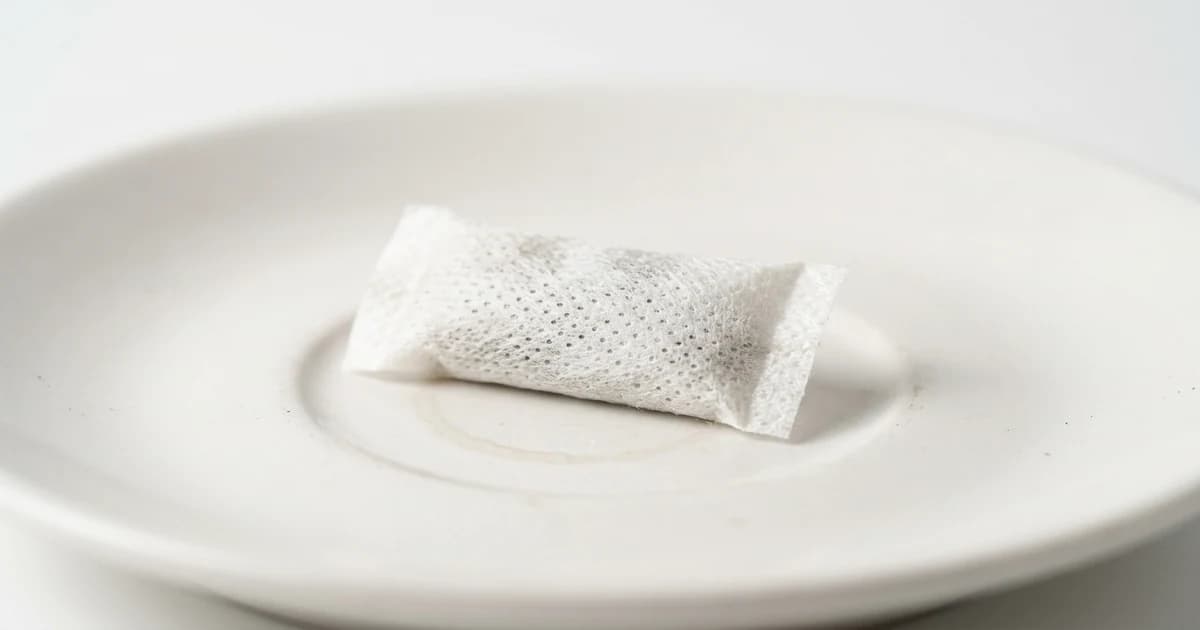
Roon takes a different approach to the daily performance question. Instead of targeting a single biomarker, it combines four active ingredients in a sublingual pouch: 80 mg of caffeine (comparable to a cup of coffee), L-Theanine for calm focus, and two lesser-known compounds, Theacrine and Methylliberine, that extend the duration of alertness without the tolerance buildup you get from caffeine alone.
The result is 6 to 8 hours of sustained focus without jitters or a crash. No capsules. No water needed. No nicotine.
It's not a cardiovascular supplement, and it doesn't replace nattokinase if that's what your health goals require. But if you're the kind of person researching enzyme-based supplements to optimize how you feel and function, Roon was built for the same mindset. Check it out at takeroon.com.