Dopamine Detox Book: What You Need to Know (Before You Try It)

Dopamine Detox Book: What You Need to Know (Before You Try It)
You've seen the dopamine detox book on your feed, in your Amazon recommendations, or mentioned in a podcast. Thibaut Meurisse's Dopamine Detox: A Short Guide to Remove Distractions and Get Your Brain to Do Hard Things has become a go-to reference for people who feel chained to their screens. At just 62 pages, this popular dopamine detox book promises a framework for resetting your brain's reward system. But does the science hold up? And what does a real dopamine "reset" actually look like?
Here's the short version: the dopamine detox book gets some things right, some things wrong, and leaves a few critical gaps that neuroscience has since filled in.
Key Takeaways:
- The Dopamine Detox book by Thibaut Meurisse offers a practical, short framework for reducing digital distraction and reclaiming focus.
- The underlying neuroscience is oversimplified. You can't literally "detox" dopamine, and the dopamine detox book doesn't claim you can, but the branding invites that misunderstanding.
- The real value is in the behavioral strategies: stimulus control, environment design, and deliberate boredom.
- Supporting your dopamine system long-term requires more than abstinence. It requires understanding how the system actually works.
What the Dopamine Detox Book Actually Says
Meurisse's dopamine detox book isn't a neuroscience textbook. It's a self-help guide built around a simple premise: modern life floods your brain with cheap dopamine hits (social media, junk food, video games, pornography), and this constant stimulation makes it harder to focus on difficult, meaningful work.
The proposed solution is a structured "detox" period where you remove high-stimulation activities and replace them with low-stimulation ones. Think: reading instead of scrolling, walking instead of gaming, sitting with boredom instead of reaching for your phone.
The dopamine detox book breaks this into three steps:
- Identify your triggers: Figure out which activities are giving you the biggest dopamine spikes for the least effort.
- Remove or reduce them: Create a 24- to 48-hour window where you cut out those activities entirely.
- Replace them with hard things: Use the newfound mental space to tackle work you've been avoiding.
It's clean, actionable advice. And for a lot of readers, the dopamine detox book works as a behavioral reset. The Goodreads page is full of people saying it helped them regain focus and reduce phone addiction.
But here's where it gets complicated.
Where the Dopamine Detox Book Gets the Science Wrong
The dopamine detox book, like the broader "dopamine detox" movement, rests on a flawed metaphor. The idea that you can "detox" dopamine the way you'd detox from alcohol or drugs misrepresents how the neurotransmitter works.
Harvard Health published a direct critique of the dopamine fasting trend, pointing out that dopamine doesn't actually decrease when you avoid stimulating activities. It's not a toxin that builds up and needs to be flushed. It's a signaling molecule involved in motivation, learning, movement, and dozens of other processes.
Dr. Cameron Sepah, the psychiatrist who originally coined the term "Dopamine Fasting 2.0," has clarified on Medium that his method was never about reducing dopamine levels. It was about using cognitive behavioral therapy (CBT) principles, specifically stimulus control, to manage compulsive behaviors. The catchy name took on a life of its own.
A 2024 literature review published in Cureus examined the evidence around dopamine fasting and found that most of the supporting data is anecdotal. The review noted that the concept has been part of wellness culture for several years, but critics argue it lacks scientific proof for addressing dopamine dysregulation directly.
So the dopamine detox book is useful as a behavioral guide. As a neuroscience manual, it's incomplete.
What Dopamine Actually Does (And Why "Detox" Is the Wrong Word)
Dopamine doesn't just make you feel good. It makes you want things. It's the neurochemical of anticipation, not pleasure. When you check your phone, the dopamine spike happens before you see the notification, not after.
This distinction matters because it changes the entire framing that the dopamine detox book presents. The issue isn't that you have "too much" dopamine. The issue is that your dopamine system has been trained to respond most strongly to low-effort, high-reward stimuli. Your brain isn't broken. It's well-calibrated to a bad environment.
The Scientist published an updated analysis in January 2025 reiterating that temporarily fasting from pleasurable activities likely won't "reset" dopamine levels and doesn't accurately reflect the molecule's nuanced functions.
What actually helps is changing the ratio of effort to reward in your daily life. That's what any good dopamine detox book is really teaching, even if the framing suggests something more dramatic. We turn that effort-to-reward idea into an actual daily plan in our guide to structuring a dopamine detox day.
What the Dopamine Detox Book Gets Right: Behavioral Design Works
Strip away the neuroscience branding, and Meurisse's advice in the dopamine detox book is solid behavioral psychology. The three-step framework (identify, remove, replace) maps closely onto established CBT techniques for habit change.
Stimulus Control
Removing triggers from your environment is one of the most reliable ways to change behavior. If you delete Instagram from your phone, you won't scroll Instagram. This isn't about dopamine levels. It's about making the path of least resistance point toward productive work.
Deliberate Boredom
The dopamine detox book's emphasis on sitting with discomfort is underrated. Most people reach for stimulation the moment they feel bored. Training yourself to tolerate that gap, even for 10 minutes, builds the capacity to engage with harder tasks. This is essentially what meditation practitioners have been doing for centuries.
Environment Over Willpower
Meurisse doesn't rely on motivation or discipline as the primary tools. He focuses on designing your environment so that good behavior becomes the default. This aligns with research on "choice architecture" and is far more effective than white-knuckling your way through a screen-free day.
Who Should Read the Dopamine Detox Book?
The dopamine detox book is best suited for people who:
- Feel like they can't start difficult work without checking their phone first
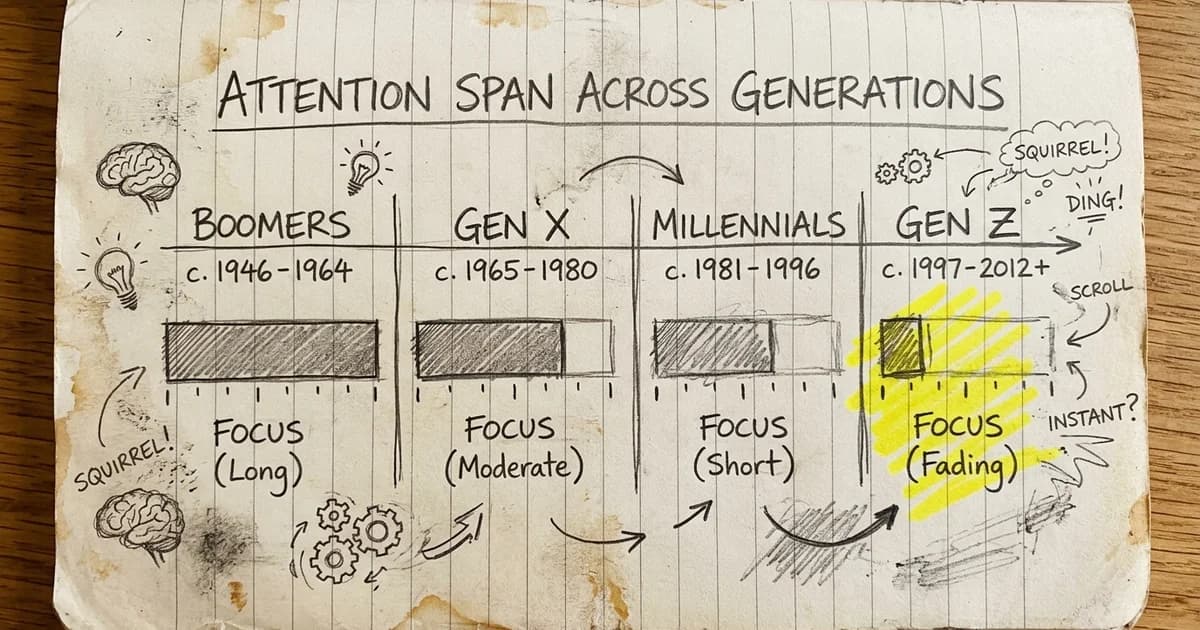
- Notice that their attention span has shortened over the past few years
- Want a simple, structured framework for reducing digital distraction
- Are new to the concept of dopamine and reward systems
The dopamine detox book is less useful for people who already have a strong understanding of behavioral psychology or neuroscience. It is intentionally short and introductory. If you've read James Clear's Atomic Habits or Cal Newport's Deep Work, you'll find a lot of overlap with this dopamine detox book.
| Feature | Dopamine Detox (Meurisse) | Atomic Habits (Clear) | Deep Work (Newport) |
|---|---|---|---|
| Length | ~62 pages | ~320 pages | ~296 pages |
| Focus | Reducing digital stimulation | Building and breaking habits | Sustained concentration |
| Science depth | Surface-level | Moderate | Moderate |
| Actionability | High (immediate steps) | High (system-based) | Moderate (philosophy + tactics) |
| Best for | Quick behavioral reset | Long-term habit design | Knowledge workers |
Beyond the Dopamine Detox Book: What Actually Supports Your Dopamine System
Reading a dopamine detox book is one thing. Supporting the system that produces and regulates dopamine is another.
The dopamine pathway depends on a few key inputs: adequate sleep, regular exercise, proper nutrition, and the right neurochemical support. You can't "hack" dopamine with a 48-hour fast from TikTok. But you can create conditions where the system functions well day after day.
This is where the conversation shifts from what any dopamine detox book teaches (abstinence) to optimization.
The Role of Purine Alkaloids
Caffeine is the most widely used purine alkaloid on the planet. It works primarily by blocking adenosine receptors, which indirectly affects dopamine signaling. But caffeine comes with well-known downsides: tolerance builds fast, sleep gets disrupted, and the crash can leave you worse off than where you started.
Two related compounds, theacrine and methylliberine, interact with similar pathways but behave differently. Theacrine is a purine alkaloid found in Kucha tea leaves. Research shows it acts as an adenosine receptor antagonist and activates dopamine D1 and D2 receptors. A key difference from caffeine: studies suggest theacrine does not appear to be associated with tolerance the way caffeine is.
Methylliberine, a structurally similar compound, has a shorter half-life of about 1.5 hours compared to caffeine's 5 to 7 hours. This makes it useful for a quick, clean onset of alertness without the lingering effects that can disrupt sleep.
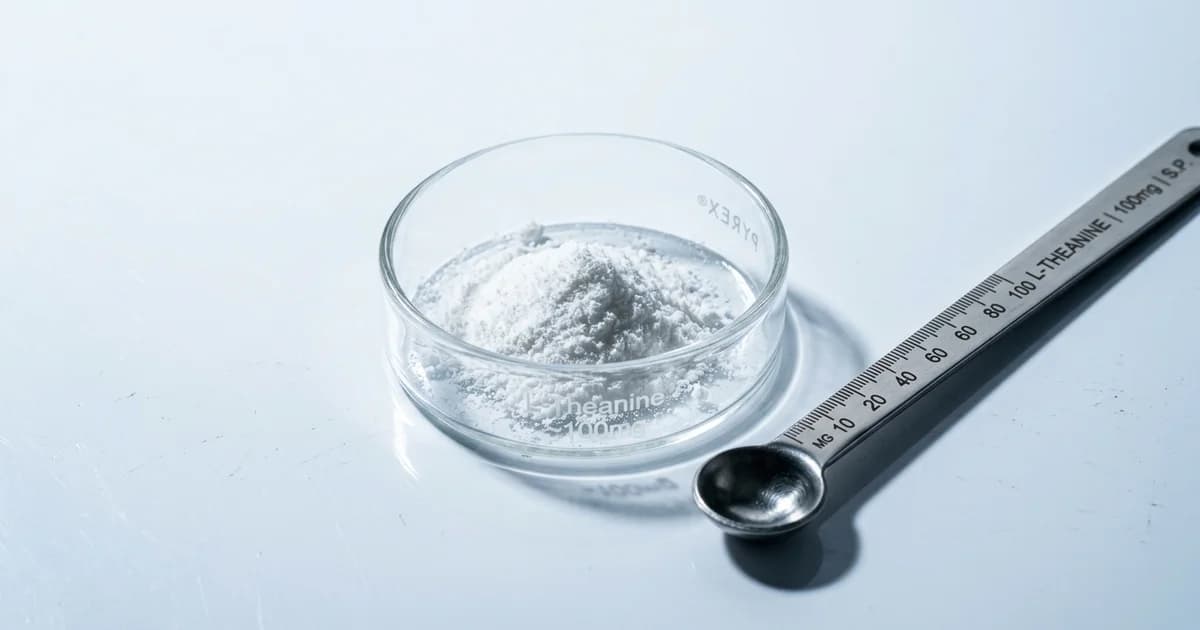
When combined with a moderate dose of caffeine and L-theanine (which promotes calm focus), these compounds create a profile that supports sustained cognitive performance without the tolerance spiral that makes caffeine less effective over time.
Support Your Dopamine System, Don't Just Read a Dopamine Detox Book
The dopamine detox book offers a useful starting point. It teaches you to recognize when cheap stimulation is running your day and gives you a framework to step back. That's valuable.
But the long game isn't about periodic fasting from your phone. It's about building a daily baseline where your brain's reward system works for you, not against you. That means sleep, movement, focused work, and giving your neurochemistry the raw materials it needs. A dopamine detox book can start that process, but lasting results come from consistent support.
Roon was built around this idea. It's a zero-nicotine sublingual pouch containing caffeine (80 mg), L-theanine, theacrine, and methylliberine, designed to support dopamine pathways and sustained focus for six to eight hours without jitters, crashes, or tolerance buildup. No detox required. Just consistent, clean cognitive support.