Acetylcholine Supplements
Roon Team
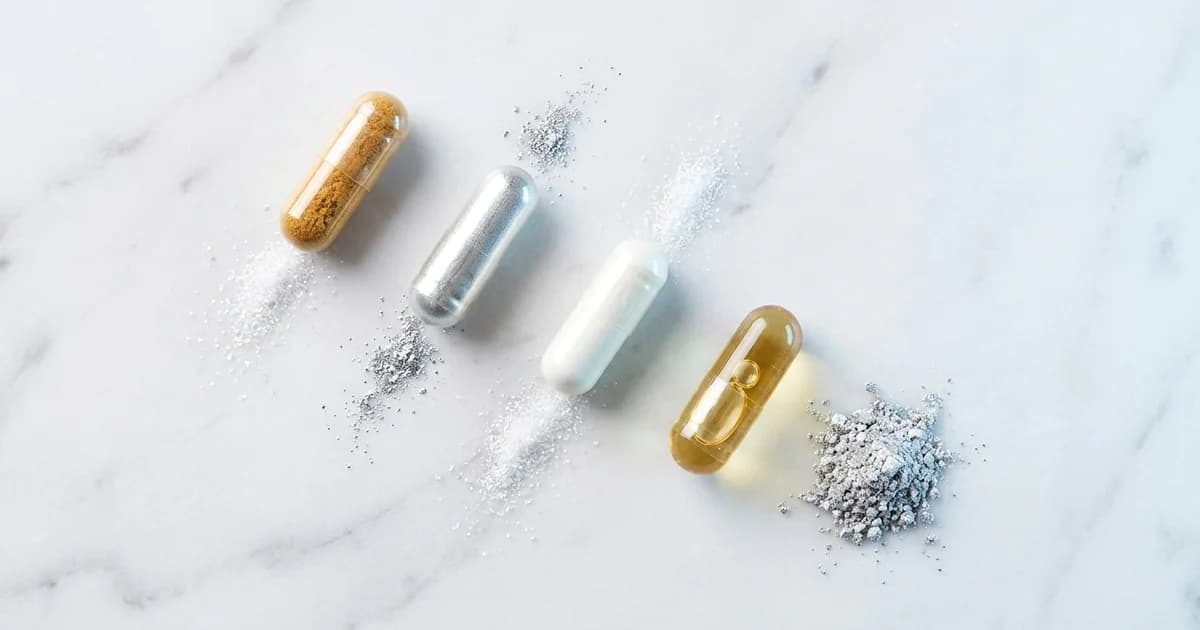
Acetylcholine Supplements: The Best Options for Brain Health in 2026
Your brain runs on acetylcholine. The right acetylcholine supplement can sharpen memory, tighten focus, and eliminate that frustrating tip-of-the-tongue fog that derails your thinking at the worst moments. Acetylcholine (ACh) is the neurotransmitter behind memory encoding, attentional control, and the fluid recall you rely on in every meeting, exam, or high-stakes conversation. When levels drop, you feel it immediately: sluggish recall, scattered attention, mental fatigue that coffee alone can't fix.
The acetylcholine supplement market has grown fast. Dozens of products, from standalone choline sources to top-rated brain supplements, promise to boost your cholinergic system. But most rely on a single ingredient, a single mechanism, and a hope that more choline equals more brainpower.
That's not how neurochemistry works. Below is a full breakdown of the five best acetylcholine-supporting supplements available in 2026, with doses, mechanisms, clinical evidence, and the gaps most products still leave wide open.
Key Takeaways
- Acetylcholine can't be taken directly as a supplement. You need precursors (like Alpha GPC or citicoline) or inhibitors of its breakdown (like Huperzine A) to raise levels. Healthline confirms there are no dietary supplements that directly increase acetylcholine.
- The best acetylcholine supplements combine multiple mechanisms: precursor supply, breakdown prevention, and cofactor support.
- Most standalone choline products miss the bigger picture. Acetylcholine is only one piece of cognitive performance. Focus, sustained energy, and mood all depend on multiple neurotransmitter systems working together.
- Delivery method matters. Capsules face 30-60 minute absorption delays and first-pass liver metabolism that sublingual formats bypass entirely.
Acetylcholine Supplement Comparison Table
| Supplement | Mechanism | Typical Daily Dose | Onset | Price Range (30-day) | Primary Citation |
|---|---|---|---|---|---|
| Alpha GPC | Choline precursor | 300-600 mg | 30-60 min | $15-25 | Parker et al., 2024 (PMC) |
| Citicoline | Choline + uridine pathway | 250-500 mg | Days to weeks | $20-35 | Nakazaki et al., 2021 (PMC) |
| Huperzine A | AChE inhibitor | 50-200 mcg | 15-30 min | $10-18 | Springer Nature, 2025 |
| Natural Stacks ACh Brain Food | Multi-pathway (Alpha GPC + ALCAR + B1 + pantethine) | 2 capsules | 30-45 min | $30-35 | naturalstacks.com |
| Acetyl-L-Carnitine (ALCAR) | Acetyl group donor | 500-1,500 mg | Weeks | $12-22 | Montgomery et al., meta-analysis (PMC) |
| Roon | Multi-system (caffeine + L-theanine + methylliberine + theacrine) | 1 pouch | 5-10 min | ~$30/tin (15 pouches) | Tartar et al., 2021 (Cureus/PMC) |
How Acetylcholine Actually Works in Your Brain
Acetylcholine is one of the most studied neurotransmitters in the central cholinergic system. It binds to both muscarinic and nicotinic receptors across the brain, and research published in PMC confirms its direct involvement in learning, memory encoding, and attentional control. Understanding this mechanism is essential before choosing any acetylcholine supplement.
Here's the simplified version: your brain synthesizes acetylcholine from two raw materials, choline and acetyl-CoA, using an enzyme called choline acetyltransferase (ChAT). Once it does its job at the synapse, another enzyme, acetylcholinesterase (AChE), breaks it down.
That gives you two ways to increase acetylcholine:
- Supply more raw material (choline precursors like Alpha GPC or citicoline)
- Slow down the breakdown (AChE inhibitors like Huperzine A)
Most acetylcholine supplement products use one or the other. A few use both. Here are the best options available right now.
The Best Acetylcholine Supplements: A Detailed Breakdown
1. Alpha GPC (Alpha-Glycerylphosphorylcholine)
Alpha GPC is the gold standard choline precursor and a top-tier acetylcholine supplement ingredient. It crosses the blood-brain barrier efficiently and delivers choline directly to neurons for acetylcholine synthesis. As a phospholipid metabolite concentrated in neuronal membranes, it is one of the most bioavailable forms of supplemental choline.
A 2024 randomized, double-blind, placebo-controlled crossover study tested 315 mg and 630 mg doses of Alpha GPC in 20 resistance-trained males and found cognitive performance improvements at the higher dose. Most people learning how to increase acetylcholine start here, and for good reason: Alpha GPC has the strongest evidence for directly raising brain choline levels compared to choline bitartrate, which barely crosses the blood-brain barrier.
Typical dose: 300-600 mg per day Pros: High bioavailability, well-researched, widely available Cons: Can cause headaches at high doses, requires refrigeration in powder form, provides only the choline precursor without addressing breakdown
2. Citicoline (CDP-Choline)
Citicoline pulls double duty as an acetylcholine supplement. It supplies choline for acetylcholine production and provides cytidine, which converts to uridine, a compound that supports neuronal membrane repair. A randomized, double-blind, placebo-controlled trial of 100 healthy older adults (ages 50-85) found that 500 mg/day of citicoline for 12 weeks improved overall memory performance, especially episodic memory, in participants with age-associated memory impairment.
Typical dose: 250-500 mg per day Pros: Dual mechanism (choline + uridine pathway), strong clinical evidence, well-tolerated Cons: More expensive than Alpha GPC per serving ($20-35/month vs. $15-25), effects can take weeks to notice, still only addresses the choline side of the equation
Notable form: Cognizin branded citicoline (used in multiple supplement formulas)
3. Huperzine A
Huperzine A works from the opposite direction. Instead of supplying more choline, it inhibits acetylcholinesterase, the enzyme that breaks acetylcholine down. The result: more acetylcholine stays active at the synapse for longer. A 2025 review in Springer Nature describes Huperzine A as a natural acetylcholinesterase inhibitor with neuroprotective effects that preserves acetylcholine levels critical for memory, learning, and attention.
The Alzheimer's Drug Discovery Foundation notes that Huperzine A might slightly improve memory and cognition, though they caution that study sizes have been small and long-term safety data is limited. For anyone researching how to increase acetylcholine quickly, Huperzine A offers the fastest onset of any cholinergic option on this list, typically within 15-30 minutes.
Typical dose: 50-200 mcg per day Pros: Potent AChE inhibition, works quickly, low dose required Cons: Potential for cholinergic side effects (nausea, cramping) at higher doses, needs cycling (5 days on, 2 off is common) to avoid overstimulation, limited long-term safety data
4. Natural Stacks Acetylcholine Brain Food
This is one of the few acetylcholine supplement products that attempts a multi-ingredient approach. Natural Stacks' formula combines Alpha GPC with acetyl-L-carnitine (which provides acetyl groups for acetylcholine synthesis), thiamine (B1), pantethine, and white peony extract.
Typical dose: 2 capsules per day Pros: Multi-pathway formula, transparent labeling, third-party tested Cons: Alpha GPC dose per serving is only 192 mg (below the 300-600 mg clinically studied range), still focused exclusively on the cholinergic system, capsule delivery means slower absorption, priced at roughly $30-35 for a 30-day supply
5. Acetyl-L-Carnitine (ALCAR)
ALCAR doesn't supply choline directly. Instead, this acetylcholine supplement provides the acetyl group that ChAT needs to combine with choline to produce acetylcholine. Think of it as the other half of the equation. It also supports mitochondrial energy production in neurons, which indirectly helps all neurotransmitter systems.
A meta-analysis of 21 randomized controlled trials (n=1,479 patients) found that ALCAR produced a statistically meaningful improvement in cognitive function compared to placebo (effect size 0.201, 95% CI: 0.107-0.295). ALCAR is a solid choice for people who already get enough choline from their diet (eggs, liver, and fish are all rich sources) but want to optimize the conversion process. It pairs well with Alpha GPC or citicoline for a more complete cholinergic stack.
Typical dose: 500-1,500 mg per day Pros: Supports both acetylcholine synthesis and cellular energy, crosses the blood-brain barrier, good safety profile Cons: Effects are subtle and slow-building, high doses can cause restlessness, doesn't address choline supply on its own
What's Missing From Most Acetylcholine Supplements
Here's the problem with every acetylcholine supplement on this list: they all treat acetylcholine like it operates in isolation.
It doesn't.
Your ability to focus for four hours straight, to stay sharp through a long afternoon, to perform under pressure without anxiety creeping in, that depends on multiple neurotransmitter systems firing in coordination. Acetylcholine handles memory encoding and attention. But dopamine drives motivation. Adenosine regulation controls alertness. GABA modulation keeps anxiety from hijacking your prefrontal cortex.
A pure acetylcholine supplement gives you one piece of a much larger puzzle. Three specific gaps show up across the board:
Gap 1: No sustained energy component. Acetylcholine precursors don't give you energy. If you're mentally fatigued at 2 PM, no acetylcholine supplement will fix the underlying problem. You'll have the raw materials for neurotransmission but not the alertness to use them. It's like putting premium fuel in a car with a dead battery.
Gap 2: No anxiolytic balance. Huperzine A and high-dose Alpha GPC can actually increase cholinergic tone to the point of overstimulation. Without something to smooth the neurochemical response, you risk trading brain fog for jitteriness and restlessness. The best cognitive states combine sharpness with calm, and even the best acetylcholine supplements don't offer that balance on their own.
Gap 3: Tolerance buildup. Caffeine, the most common energy ingredient paired with nootropics, builds tolerance within days. Your adenosine receptors upregulate, and you need more to get the same effect. Most stacks don't address this at all, which means anyone figuring out how to increase acetylcholine through supplementation is back to square one within a couple of weeks.
And then there's the delivery problem. Every acetylcholine supplement listed above comes in capsule form. Capsules travel through your digestive system, get partially broken down by stomach acid, and pass through the liver before reaching your bloodstream. This first-pass metabolism reduces bioavailability and delays onset by 30-60 minutes.
The Bottom Line on Acetylcholine Supplements
Acetylcholine is essential for memory, focus, and cognitive performance. The five supplements above, Alpha GPC, citicoline, Huperzine A, Natural Stacks Acetylcholine Brain Food, and ALCAR, each address part of the cholinergic equation. Alpha GPC and citicoline supply the raw material. Huperzine A slows the breakdown. ALCAR donates the acetyl group. Natural Stacks tries to combine several of these.
But none of them solve the full cognitive performance problem on their own. Sustained focus across a 6-8 hour workday requires more than one neurotransmitter system firing correctly. The best approach depends on your specific bottleneck: if you're choline-deficient, a precursor like Alpha GPC or citicoline is the right starting point. If your issue is energy, alertness, or tolerance to stimulants, the answer lies outside the cholinergic system entirely.
Related from Roon
- Best Brain Supplements in 2026
- L-Theanine and Caffeine: The Science Behind the Stack
- How Sublingual Delivery Changes Supplement Absorption
Frequently Asked Questions
What is the best supplement to increase acetylcholine?
Alpha GPC is the most direct and well-studied choline precursor for raising acetylcholine levels. A typical dose of 300-600 mg/day delivers choline across the blood-brain barrier more efficiently than choline bitartrate. For a multi-pathway approach, combining Alpha GPC with an AChE inhibitor like Huperzine A (50-200 mcg/day) covers both production and breakdown. No single supplement is universally "best" because the right choice depends on whether your bottleneck is choline supply, enzymatic conversion, or breakdown speed.
Can you take acetylcholine directly as a supplement?
No. Acetylcholine itself cannot be taken as a supplement because it is rapidly degraded in the digestive system and does not cross the blood-brain barrier. Healthline notes that no dietary supplements can directly increase acetylcholine levels. Instead, you take precursors (Alpha GPC, citicoline) that your brain converts into acetylcholine, or inhibitors (Huperzine A) that slow its breakdown at the synapse.
What are the side effects of acetylcholine supplements?
Common side effects of cholinergic supplements include headaches, nausea, gastrointestinal cramping, and restlessness, especially at higher doses. Huperzine A carries the highest risk of cholinergic overstimulation because it directly inhibits the enzyme that clears acetylcholine. Most users tolerate Alpha GPC and citicoline well at standard doses (300-600 mg and 250-500 mg, respectively). Cycling Huperzine A (5 days on, 2 days off) is a common strategy to reduce side-effect risk.
How long do acetylcholine supplements take to work?
Onset varies by supplement. Huperzine A is the fastest, typically producing noticeable effects within 15-30 minutes. Alpha GPC takes roughly 30-60 minutes in capsule form. Citicoline and ALCAR are slow-builders; clinical trials used 12-week protocols before measuring meaningful cognitive improvements. If you need same-day results, Huperzine A or Alpha GPC are the better choices. For long-term brain health, citicoline's dual mechanism (choline + uridine pathway) has stronger evidence.
Is Alpha GPC better than citicoline for acetylcholine?
Alpha GPC delivers more choline per milligram (roughly 40% choline by weight vs. citicoline's 18%), making it more efficient as a pure acetylcholine precursor. Citicoline offers a second benefit: its cytidine component converts to uridine, which supports neuronal membrane repair. If your only goal is raising acetylcholine quickly, Alpha GPC wins. If you want broader neuroprotective support over months, citicoline has the edge. Many experienced users stack both at lower doses.
Do acetylcholine supplements help with ADHD or brain fog?
Acetylcholine supplements are not approved to treat ADHD or any medical condition. Some users report subjective improvements in focus and mental clarity, particularly with Alpha GPC or Huperzine A. However, brain fog and attention issues often involve multiple neurotransmitter systems (dopamine, norepinephrine, adenosine), not just acetylcholine. A cholinergic supplement alone is unlikely to resolve these symptoms if the root cause lies elsewhere. Consult a healthcare provider for persistent cognitive issues.
Can you get enough choline from food instead of supplements?
Yes, for many people. Eggs are the richest common source at roughly 147 mg of choline per large egg. Beef liver provides about 356 mg per 3-ounce serving. The adequate intake for adults is 550 mg/day for men and 425 mg/day for women. However, studies estimate that over 90% of Americans fall short of the adequate intake. If your diet is low in eggs, liver, and fish, a choline supplement like Alpha GPC or citicoline can fill the gap.
What is the difference between choline and acetylcholine?
Choline is a dietary nutrient. Acetylcholine is the neurotransmitter your brain builds from choline. Your neurons combine choline with acetyl-CoA (using the enzyme ChAT) to synthesize acetylcholine. Supplementing with choline (via Alpha GPC, citicoline, or choline bitartrate) provides the raw material. But having more choline doesn't guarantee more acetylcholine; the conversion depends on enzyme activity, acetyl-CoA availability, and how quickly AChE breaks the finished product down.
Where Acetylcholine Supplements Fall Short, and What Fills the Gap
If your primary bottleneck is choline supply, the supplements above are the right starting point. But if your real goal is sustained cognitive performance across a full workday, the cholinergic system is only one layer.
Roon was built around the gaps that single-pathway acetylcholine supplements leave open. Its four-ingredient sublingual pouch, 80 mg caffeine, 60 mg L-theanine, 25 mg methylliberine (Dynamine), and 5 mg theacrine (TeaCrine), targets energy, calm focus, and tolerance resistance simultaneously. A study published in Cureus found that the caffeine-theacrine-methylliberine combination improved cognitive performance and reaction time without interfering with mood. Separately, research on L-theanine plus caffeine showed improved accuracy during task switching and reduced tiredness at similar doses. And an 8-week trial on theacrine found no evidence of habituation, meaning the effect on day 30 stays consistent with day one.
Roon is not an acetylcholine supplement and doesn't claim to be. It won't raise your choline levels. What it does is deliver the sustained alertness, calm focus, and crash-free energy (6-8 hours per pouch, onset in 5-10 minutes via sublingual absorption) that cholinergic supplements can't provide on their own. If you've already optimized the choline side and still hit an afternoon wall, Roon addresses the other half of the equation.
Written by Roon Team