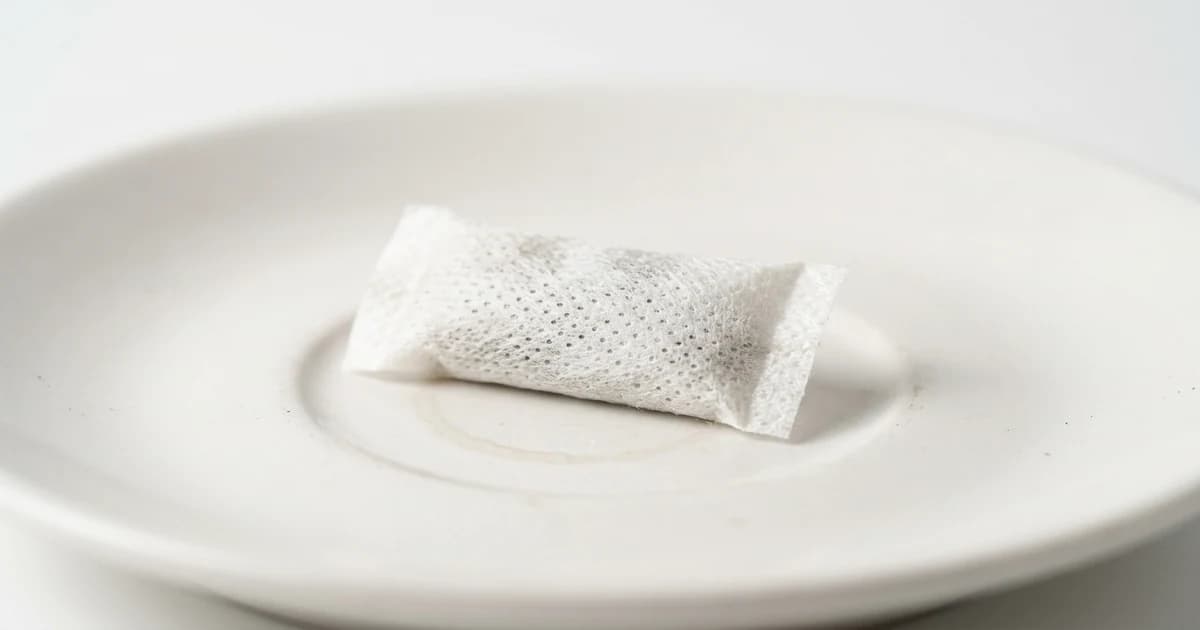
Are Rogue Nicotine Pouches Bad for You? The Evidence
Roon Team

Are Rogue Nicotine Pouches Bad for You? What the Science Actually Says
You popped a Rogue pouch before a meeting. The buzz hit fast. Your focus sharpened for maybe 20 minutes, then faded into a low-grade headache and a craving for the next one. Now you're Googling "are rogue nicotine pouches bad for you" at 11 p.m. because something doesn't feel right.
You're not overthinking it. The concern is valid, and the answer is more complicated than Rogue's marketing suggests.
Rogue nicotine pouches are tobacco-leaf-free, which sounds clean. But tobacco-free does not mean risk-free. The active ingredient is still nicotine, delivered through a compound called nicotine polacrilex, and the nicotine salt pouches side effects are real, documented, and worth understanding before you tuck another one under your lip.
Key Takeaways
- Rogue pouches contain 3mg or 6mg of nicotine per pouch, delivered via nicotine polacrilex with absorption rates between 80-90%.
- Nicotine, regardless of the delivery method, raises heart rate and blood pressure, and builds dependence quickly.
- Nicotine pouches aren't FDA-approved as safe consumer products. They sit in a regulatory gray zone.
- "Tobacco-free" is a marketing distinction, not a health claim. The nicotine itself carries the risk.
What's Actually Inside a Rogue Pouch?
Rogue products contain the active ingredient nicotine polacrilex along with other inactive food-grade ingredients added for flavor and texture. Rogue has no sugar and is sweetened by Acesulfame K.
Rogue pouches are available in 6mg and 3mg nicotine levels. That might sound modest compared to a cigarette, but the delivery mechanism matters. Nicotine polacrilex increases nicotine absorption rates to an impressive 80-90%, meaning most of that nicotine is getting into your bloodstream through the soft tissue of your gums.
The other ingredients, things like microcrystalline cellulose, gum arabic, and artificial flavoring, are generally recognized as food-safe. The main health concern with Rogue pouches is the addictive nicotine, not the fillers, sweeteners, or flavors.
So the fillers aren't the problem. The nicotine is.
Is Rogue Nicotine Pouches Bad for You? The Short-Term Side Effects
Let's start with what you'll notice first. Nicotine can enhance focus and concentration temporarily by stimulating the release of norepinephrine and acetylcholine. That's the appeal. That's why you reach for one before a big task.
But the same stimulant properties that create that focus also trigger a cascade of less pleasant effects.
Nicotine Salt Pouches Side Effects You'll Feel Right Away
- Elevated heart rate and blood pressure. Nicotine can cause heart, lung, stomach, and fertility problems, raise your blood pressure, and weaken your immune system.
- Nausea and hiccups. Nicotine pouches carry a risk of several side effects, including nausea, hiccups, and mouth irritation.
- Gum irritation. Placing a Rogue pouch against your gums for 20-40 minutes introduces nicotine directly to soft oral tissue. That tissue gets irritated, sometimes inflamed.
- Dizziness and headaches. Especially if you're new to nicotine or you use a 6mg pouch on an empty stomach.
These aren't rare reactions. They're the predictable pharmacological effects of putting a stimulant drug against your mucous membranes.
And here's the thing about nicotine salt pouches side effects that catches most people off guard: they often get worse before they get better. Your body doesn't simply adjust and move on. It adjusts by demanding more nicotine to reach the same baseline. The side effects don't disappear. They get masked by dependence.
Are Rogue Nicotine Pouches Bad for You Cardiovascularly?
This is where the conversation gets serious.
The use of these products can lead to increased heart rate and blood pressure, which may increase the risk of developing cardiovascular diseases such as hypertension, heart disease, and potential heart failure. That assessment comes from VCU Health, and it aligns with what cardiologists have been saying about nicotine in any form for decades.
Nicotine pouches caused significant increases in heart rate and arterial stiffness, raising concerns about cardiovascular effects and addiction potential. That finding, noted on Wikipedia's nicotine pouch entry, references clinical observations that prompted researchers to recommend setting upper limits on nicotine content in these products.
Nicotine may increase your risk of certain effects on the heart, such as a raised heart rate or blood pressure or an abnormal heart rhythm (arrhythmia). If you have any predisposition to heart issues, are rogue nicotine pouches bad for you becomes more than an idle question. According to WebMD, you should stop using nicotine and contact your healthcare provider if you experience these symptoms.
The Addiction Problem Nobody Talks About
Here's the part that Rogue's branding conveniently sidesteps.
Nicotine is one of the most addictive substances humans consume. The fact that it arrives in a small white pouch instead of a cigarette doesn't change its effect on your dopamine system. Your brain adapts to the nicotine. It builds tolerance. You need more to get the same effect, or you need it more often.
When your brain is forming, nicotine use can cause issues, including increased impulsivity and ADHD-type cognitive symptoms. That warning from Yale Medicine is directed at younger users, but the underlying mechanism applies broadly. Nicotine rewires your reward circuitry. The "focus" you feel from a Rogue pouch isn't free. You're borrowing it from your future baseline.
This is the cycle: pouch, buzz, crash, craving, pouch. Repeat. Breaking that loop is its own process, and it helps to map out the nicotine-pouch recovery timeline before you start.
Nicotine pouches are the second most used tobacco product among high school students, according to the 2024 National Youth Tobacco Survey. That statistic, reported by MD Anderson Cancer Center, should alarm anyone who thinks these products are harmless.
Are Rogue Nicotine Pouches Bad for You in Terms of Cancer Risk?
This is the question everyone asks, and the honest answer is: we don't fully know yet.
Rogue pouches don't contain tobacco leaf, which eliminates some of the carcinogens found in traditional smokeless tobacco. But "some" is doing a lot of work in that sentence.
A 2022 study of 44 nicotine pouch products found that 26 of the samples contained cancer-causing chemicals and several other chemicals such as ammonia, chromium, formaldehyde, nickel, and pH adjusters. That research, highlighted by the American Lung Association, paints a less reassuring picture than the "tobacco-free" label implies.
Scientists are still learning about the long-term effects of using nicotine pouches, including how it affects a person's overall cancer risk and oral health. Houston Methodist published that assessment in April 2025. The long-term data simply doesn't exist yet because these products haven't been around long enough.
The absence of evidence is not evidence of absence.
The Regulatory Gray Zone
Right now, there isn't data on how nicotine pouches impact oral health. That's from MD Anderson, one of the top cancer research institutions in the world. And it captures the broader regulatory reality perfectly.
Nicotine pouches exist in a space where they're marketed as cleaner alternatives to cigarettes and dip, but they haven't undergone the kind of rigorous, long-term safety evaluation that would justify calling them "safe." The FDA has authorized marketing for some nicotine pouch brands (like ZYN) as modified risk tobacco products, but authorization to market is different from a declaration of safety.
Rogue pouches are sold in over 100,000 stores. You can buy them at gas stations next to energy drinks and gum. That level of accessibility creates an assumption of safety that the science hasn't earned yet. When something sits on a shelf next to Altoids, your brain files it under "harmless." The pharmacology tells a different story.
Rogue vs. Other Nicotine Pouches: Does the Brand Matter?
Not really. The core risk factor, nicotine, is the same across all brands. So is rogue nicotine pouches bad for you any differently than competitors?
| Factor | Rogue | ZYN | VELO |
|---|---|---|---|
| Nicotine Type | Nicotine polacrilex | Nicotine polacrilex | Nicotine polacrilex |
| Strengths | 3mg, 6mg | 3mg, 6mg | 2mg, 4mg |
| Tobacco-Free | Yes | Yes | Yes |
| Addictive | Yes | Yes | Yes |
| FDA Authorized | No | Yes (some products) | No |
The brand on the tin changes the flavor. It doesn't change the pharmacology. Whether you're using Rogue, ZYN, or VELO, you're still introducing nicotine into your system through oral mucosa. The addiction pathway is identical. The cardiovascular effects are identical. The nicotine salt pouches side effects are identical.
Rogue does manufacture in the USA and uses steam-extracted nicotine, which some users prefer. But the fundamental risk profile remains the same as any other nicotine pouch on the market.
So, Are Rogue Nicotine Pouches Bad for You? The Final Verdict
Here's the direct answer: Rogue nicotine pouches are less harmful than cigarettes or traditional chewing tobacco. That's a low bar. They still deliver a highly addictive stimulant that raises your heart rate, constricts your blood vessels, disrupts your natural dopamine regulation, and may contain trace carcinogens.
If you're using Rogue pouches to quit smoking, there's a reasonable harm-reduction argument. If you're using them for focus or productivity, you're building a dependency to solve a problem that has better solutions, including nicotine-free alternatives worth trying.
The "focus" from nicotine is real, but it's temporary, tolerance-building, and comes packaged with cardiovascular strain and chemical dependency. Understanding are rogue nicotine pouches bad for you means recognizing that's a bad trade.
A Better Way to Get the Focus Without the Fallout
The reason people reach for Rogue nicotine pouches usually has nothing to do with nicotine itself. They want sharper focus. More sustained attention. A clean mental edge without the jittery mess of a triple espresso.
That's exactly what Roon was built for.
Roon is a zero-nicotine sublingual pouch that pairs 80mg of caffeine with L-Theanine, Theacrine, and Methylliberine, four compounds that work together to support 6-8 hours of sustained focus. No nicotine. No addiction cycle. No crash, no tolerance buildup, no nicotine salt pouches side effects. That's the thinking behind Roon's focus pouch.
It's the cognitive performance without the chemical dependency. The focus without the fallout.