What Does Dynamine (Methylliberine) Actually Feel Like? The Fast-Onset Energy Explained
Roon Team
What Does Dynamine (Methylliberine) Actually Feel Like? The Fast-Onset Energy Explained
You take a capsule. Fifteen minutes later, the fog lifts. No racing heart, no chest flutter, just a clean lift in mood and drive that feels less like a stimulant slap and more like someone turned the lights on.
That is the short answer to what Dynamine feels like. The longer answer is more interesting, because the way this molecule behaves in your body explains both why people love it and why it confuses so many supplement buyers.
Dynamine is the trademarked name for methylliberine, a compound that sits one chemical step away from caffeine. It hits fast, clears fast, and plays unusually well with other stimulants. Here is what the science actually says, what the experience is like, and why one country technically bans it while most do not.
Key Takeaways
- Dynamine is methylliberine, a purine alkaloid and close chemical cousin of caffeine and theacrine.
- It has a fast onset (felt in roughly 15 minutes) and a short half-life of about an hour, so it clears the body quickly.
- Human research shows it improves mood, energy, and motivation but did not improve measured cognitive performance on its own.
- The "banned" reputation is mostly a misunderstanding: it is not on WADA's prohibited list, though Australia restricts it in sports supplements.
- Dynamine shines as a partner to caffeine, not a standalone replacement for it.
What Is Dynamine, Exactly?
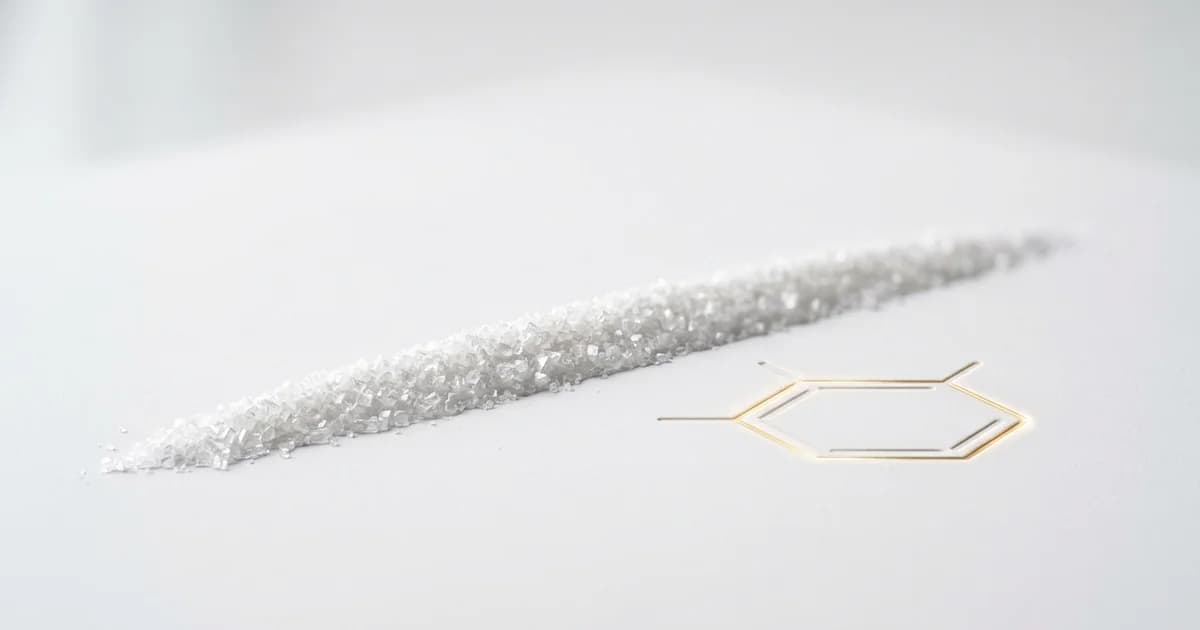
Dynamine is the branded form of methylliberine, a naturally occurring purine alkaloid in the same family as caffeine and theacrine. If you have searched "what is dynamine" and come away confused, that is because the marketing tends to outrun the chemistry.
Methylliberine shows up in nature in kucha tea and a handful of coffee species. As Compound Solutions, the company behind the ingredient, describes it, Dynamine (methylliberine) is a faster-acting, harder-hitting form of TeaCrine, another chemical cousin of caffeine and theacrine, and methylliberine is found in kucha tea (Compound Solutions).
So when people search dynamine methylliberine and wonder if they are two different things, they are not. Dynamine is simply the patented, standardized version of the methylliberine molecule sold to supplement brands.
The reason it gets grouped with caffeine is structural. All three molecules, caffeine, theacrine, and methylliberine, are purine alkaloids that interact with the same receptor systems. They are siblings, not strangers.
What Does Dynamine Actually Feel Like?
The defining feature of Dynamine is speed. It comes on fast and leaves fast.
Preliminary human work cited by the ingredient maker reported that test subjects noted improved energy, mood, and focus about 15 minutes after taking it, with those effects peaking shortly after (Compound Solutions). That is quicker than most nootropics, which can take 30 to 60 minutes to register.
The other half of the story is how quickly it disappears. According to an overview from Holistic Nootropics, methylliberine has a half-life of about one hour, and its felt duration is roughly one to three hours before it is essentially cleared.
That short window is the whole point. Caffeine lingers for hours and can wreck your sleep if you dose it late. Dynamine acts more like a brief, targeted lift.
Most users describe the feeling as a clean rise in mood and drive without the buzzy, wired edge of a big caffeine dose. The branded safety research even noted that some Dynamine doses produced healthy decreases in heart rate and blood pressure rather than spikes, which fits the smoother subjective experience people report (PricePlow).
Dynamine Benefits: What the Research Supports
The strongest evidence for dynamine benefits points to mood and energy, not raw brainpower.
A 2023 randomized, double-blind crossover trial published in the journal Nutrients tested 100 mg of methylliberine against a placebo in 25 healthy adults. As the study on PubMed Central reports, this double-blind, randomized, within-subject crossover trial had 25 healthy men and women ingest methylliberine (100 mg) or a placebo, and assessed acute effects on cognitive function and indices of well-being. The title itself states the headline result: methylliberine improved indices of affect but not cognitive function.
That distinction matters. Dynamine appears to make you feel sharper and more driven without measurably changing how you score on a Stroop test or trail-making task when taken alone. The felt benefit is real. The measured cognitive boost, on its own, did not show up.
Where Dynamine looks most useful is as a teammate. A human pharmacokinetic study found that methylliberine affects caffeine's pharmacokinetics by extending its half-life and area under the curve, meaning systemic exposure (The Optimizing Blog). In plain terms, Dynamine can make a moderate caffeine dose feel a little stronger and last a little longer.
On safety, the picture is reassuring for short-term use. A four-week trial led by VanDusseldorp and colleagues, also published in Nutrients, concluded that Dynamine alone or in combination with TeaCrine, at the dosages used, does not appear to negatively affect markers of health over four weeks of continuous use, with small changes found in some cardiovascular and blood biomarkers (Semantic Scholar).
Why Is Dynamine Banned? Separating Fact From Rumor
Dynamine is not banned by the World Anti-Doping Agency, and it is legal to sell and use in the United States. The "banned" reputation comes from one country and a lot of copied headlines.
Here is the real situation. As an independent supplement-certification group explains regarding the WADA list, in Australia the trademarked supplement ingredient dynamine (methylliberine) is considered a prohibited stimulant, but such substances are not yet targeted in the scope of WADA drug testing, an example of inconsistent interpretations of related-substance language (BSCG).
A supplement retailer's breakdown puts a date on it: Dynamine, also known as methylliberine, is legal in the USA and is not currently banned by WADA, but in Australia it has been banned for use in sports supplements as of November 2020 (Best Price Nutrition).
So if you searched why is dynamine banned, the honest answer is that it mostly is not. One national regulator restricts it, the global anti-doping authority does not list it, and US law permits it. Competitive athletes should still confirm their own sport's rules before using anything, because classifications shift.
How Dynamine Compares Across Products
Dynamine almost never travels alone. You will find it in pre-workouts, fat burners, nootropic blends, and newer focus formats, usually paired with caffeine and theacrine. Here is how the typical formats stack up, with Roon included for an honest comparison.
| Product Type | Typical Dynamine Dose | Paired Stimulants | Onset | Duration / Crash | Main Trade-off |
|---|---|---|---|---|---|
| Stimulant pre-workout | 100 to 350 mg | High caffeine (200 to 400 mg) | 20 to 40 min | Hard comedown common | Built for the gym, often too harsh for desk work |
| Standalone Dynamine capsule | 100 mg | None | ~15 min | Short, clean, fades in 1 to 3 hr | No caffeine base, so the lift is brief |
| Energy drink with Dynamine | 25 to 50 mg | Moderate caffeine + sugar | 15 to 30 min | Sugar crash possible | Calories, additives, and you have to keep sipping |
| Nootropic capsule blend | 25 to 100 mg | Varies widely | 30 to 60 min | Depends on caffeine load | Slower onset, label transparency varies |
| Roon sublingual pouch | 25 mg | 80 mg caffeine + 60 mg L-theanine + 5 mg TeaCrine | 5 to 10 min | 6 to 8 hr, no jitters, no crash | Not a pre-workout pump product; built for focus |
The pattern is clear. Dynamine is the fast spark, but what it is paired with decides whether you get a smooth, sustained session or a spike followed by a slump.
What's Missing in Most Dynamine Products
Once you compare the formats side by side, the gaps get obvious.
The dose is often a mystery. Many blends bury Dynamine in a proprietary mix, so you cannot tell whether you are getting an active 25 mg or a sprinkle. The mood-and-energy research used 100 mg, but more is not automatically better when caffeine is doing most of the heavy lifting.
Standalone Dynamine fades too fast. With a one-hour half-life and a one-to-three-hour felt duration, Dynamine on its own cannot carry a long work block. It needs a caffeine base to anchor it, and it needs something to keep that caffeine smooth.
Most products lack a calming counterweight. Caffeine plus Dynamine plus theacrine is a stack of stimulants. Without L-theanine, that combination can tip into jittery or overstimulated for caffeine-sensitive people. The well-studied caffeine and L-theanine pairing exists precisely to smooth that edge.
Delivery is slow and messy. Capsules and powders route through your gut, which delays onset and adds variability. Energy drinks bring sugar and volume. For something prized for fast onset, swallowing a pill is a strange way to deliver it.
The Case for Putting Dynamine in a Sublingual Pouch
Dynamine's biggest strength, fast onset, is wasted in a slow delivery system. That is the gap Roon was built to close.
Roon is a zero-nicotine sublingual pouch with a four-ingredient stack: 80 mg caffeine, 60 mg L-theanine, 25 mg methylliberine (Dynamine), and 5 mg theacrine (TeaCrine). Each piece addresses a specific weakness in the products above. The caffeine gives Dynamine a base to amplify and extend. The L-theanine is the calming counterweight that keeps the stimulant stack from turning jittery. The TeaCrine adds a slower, longer-lasting layer underneath Dynamine's quick spark.
The sublingual format respects what makes Dynamine worth using. Absorption starts in the mouth instead of waiting on digestion, which is how Roon reaches a 5 to 10 minute onset and a 6 to 8 hour focus window without the crash.
Roon is not a pre-workout and not a replacement for sleep or real nutrition. It is a focus tool that uses Dynamine for what it does best, then surrounds it with the ingredients most other products forget.
Conclusion
Dynamine, or methylliberine, is one of the more honest stimulants on the market once you cut through the hype. It comes on fast, clears fast, lifts mood and energy, and makes caffeine work harder. What it does not do, based on the human research, is sharpen measured cognition on its own.
The "banned" label is mostly noise from one country's rules. The real limitation is practical: Dynamine is a brilliant supporting actor that needs the right cast and the right delivery to shine. Judge any Dynamine product by what surrounds the molecule, not by the molecule alone.
Frequently Asked Questions
Is Dynamine the same as methylliberine?
Yes. Dynamine is the trademarked, standardized form of methylliberine, a naturally occurring purine alkaloid related to caffeine and theacrine. Brands license the Dynamine name from its manufacturer, but the active molecule in your supplement is methylliberine. You will see both terms used interchangeably on labels and in research, so there is no meaningful difference between buying "Dynamine" and buying standardized methylliberine.
How long does Dynamine last?
Not long, and that is by design. Methylliberine has a half-life of roughly one hour, with a felt duration of about one to three hours before it clears. That makes it useful for a quick, targeted lift rather than all-day energy. When it is paired with caffeine, the combined effect feels longer because Dynamine extends caffeine's own duration in the body.
Does Dynamine actually improve focus?
It depends on how you define focus. A 2023 Nutrients trial found that 100 mg of methylliberine improved mood, energy, concentration, and motivation, but did not improve scores on objective cognitive tests when taken alone. So Dynamine reliably makes people feel more focused and driven, while the measured cognitive boost is stronger when it is stacked with caffeine and supporting ingredients.
Why is Dynamine banned in some places?
Dynamine is not banned by WADA and is legal in the United States. Australia restricts methylliberine in sports supplements, a rule dating to November 2020, which is where most "banned" headlines come from. The difference stems from broad regulatory language that different countries interpret in their own way. Competitive athletes should always verify their specific sport's current rules.
Is Dynamine safe?
A four-week human study published in Nutrients found that Dynamine, alone or with TeaCrine, did not negatively affect cardiovascular or blood health markers in healthy young adults over 28 days of continuous use. As with any stimulant, your tolerance, caffeine intake, and health conditions matter. If you are pregnant, taking medication, or managing a heart condition, talk to a doctor before using it.
Can you take Dynamine with caffeine?
Yes, and that pairing is where Dynamine performs best. A pharmacokinetic study found that methylliberine extends caffeine's half-life and overall exposure, so a moderate caffeine dose feels a bit stronger and lasts longer. Adding L-theanine to that combination helps smooth out potential jitters, which is why many focus formulas combine all three rather than relying on Dynamine alone.
How much Dynamine should I take?
Human research on mood and energy effects used 100 mg of methylliberine on its own. In stacked products, smaller amounts like 25 mg are common because caffeine and theacrine share the workload. There is no need to chase the highest number on a label. The quality of the surrounding ingredients and the delivery format usually matter more than the raw Dynamine dose.
Where a Sublingual Pouch Beats a Capsule
If this article made one thing clear, it is that Dynamine is a fast spark that gets wasted by slow delivery and lonely formulas. The molecule needs a caffeine base to amplify, a calming counterweight to stay smooth, and a delivery method that does not bottleneck its speed in your gut.
That is the exact problem Roon was designed around. Its sublingual pouch pairs 25 mg of methylliberine (Dynamine) with 80 mg caffeine, 60 mg L-theanine, and 5 mg theacrine (TeaCrine), so the fast onset of Dynamine gets a foundation to stand on and a way to reach you in 5 to 10 minutes instead of waiting on digestion. The result is a 6 to 8 hour focus window built to avoid jitters and the afternoon crash.
Roon will not replace sleep, and it is not a pre-workout for chasing a pump. It is a focus tool that uses Dynamine the way the research suggests it works best. If you want fast, clean energy without the spike-and-slump, try Roon and judge it by how the afternoon feels.
Written by Roon Team