Decision Fatigue: Why Your Brain Feels Fried by 3 p.m. and How to Protect Your Clarity
Roon Team
Decision Fatigue: Why Your Brain Feels Fried by 3 p.m. and How to Protect Your Clarity
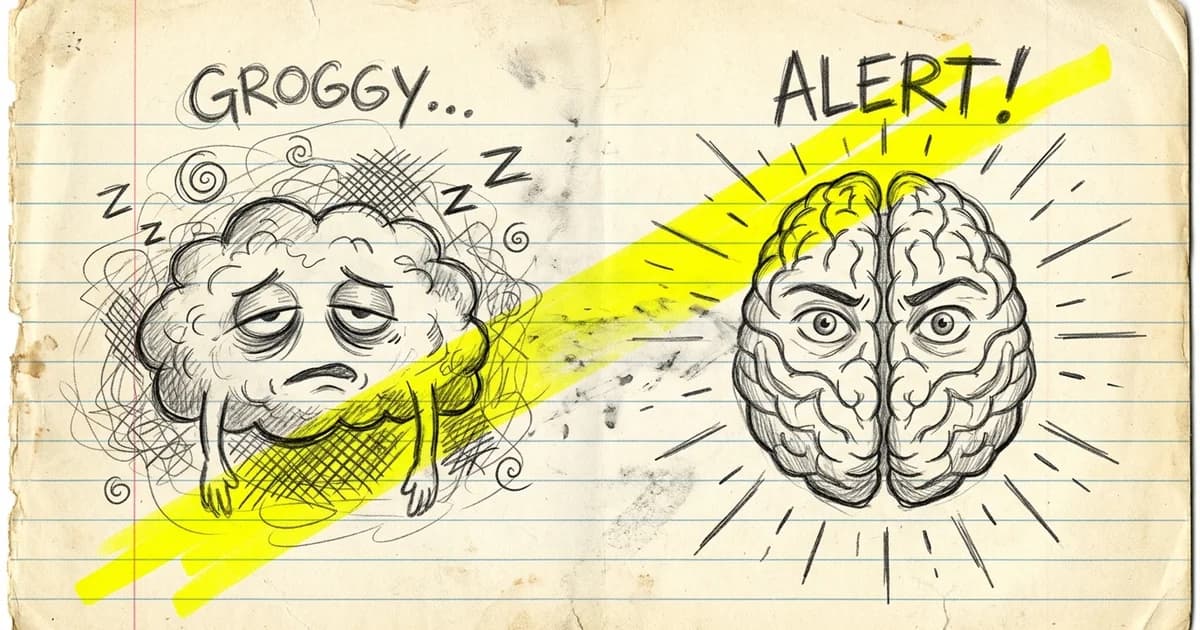
You start the day sharp. By mid-afternoon, choosing what to eat for lunch feels harder than the strategy deck you nailed at 9 a.m. That slow mental erosion has a name: decision fatigue, the documented decline in the quality of your choices after a long session of decision-making.
It isn't laziness, and it isn't a character flaw. It's a measurable drop in your brain's capacity to weigh options well. The more choices you make, the worse the later ones get.
Here's what's happening under the hood, and how to defend the clarity you'll actually need at 3 p.m.
Key Takeaways
- Decision fatigue is the deterioration in decision quality after making many choices in a row. It affects everyone, including experts.
- Adults make more than 35,000 decisions per day, and each one draws from a finite pool of mental resources.
- The classic evidence comes from a study of judges, whose favorable rulings collapsed across each session before resetting after a break.
- You can blunt the effect with structure: decide early, batch decisions, automate the trivial ones, and protect your glucose and recovery.
- A steady source of focus that doesn't spike and crash matters more than another quick caffeine hit.
What Decision Fatigue Actually Is
Decision fatigue is the reduced ability to make good choices after a long stretch of decision-making. Your judgment doesn't fail all at once. It degrades, choice by choice, until you start defaulting to the easy option or avoiding decisions entirely.
The concept grew out of research on willpower by Florida State psychologist Roy Baumeister. Work by Gailliot and Baumeister tied self-control and decision-making to low glucose levels, finding that restoring glucose typically improves the ability to make effective choices. Self-control and decision-making appear to share the same limited tank.
That glucose explanation has been debated since, and the science has gotten more careful. The behavioral pattern itself, though, is well established: the more you decide, the less reliably you decide.
The volume of modern choice makes this worse. One widely cited estimate puts adult decisions at more than 35,000 per day. Most are trivial. The trivial ones still cost you.
The Judges Study That Made the Case
The most striking evidence for decision fatigue comes from a courtroom, not a lab. Researchers tracked how judges ruled across a single day, and the pattern was hard to ignore.
A 2011 analysis of 1,112 parole rulings published in PNAS found favorable decisions averaged about 65% immediately following a food break, dropping progressively to approximately 0% by the end of each decision session before the next break. Same judges. Same cases on paper. Wildly different odds depending on the clock.
The reset is the part that matters for you. Early in a decision block, judges approved parole about 60 to 70% of the time, and as the session progressed, approval rates steadily fell, sometimes to near zero. After a break and food, the rate jumped back up.
If trained legal experts drift toward the lazy default as the day wears on, your 4 p.m. inbox decisions are not immune. The effect doesn't care about your job title.
Decision Fatigue Symptoms: How to Spot It
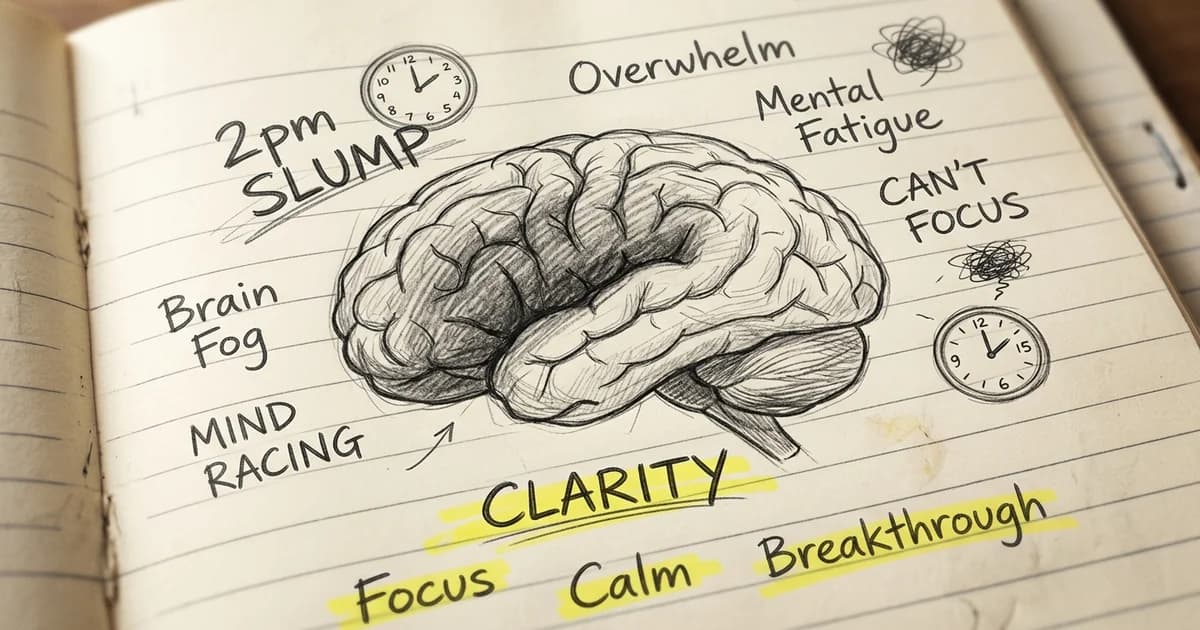
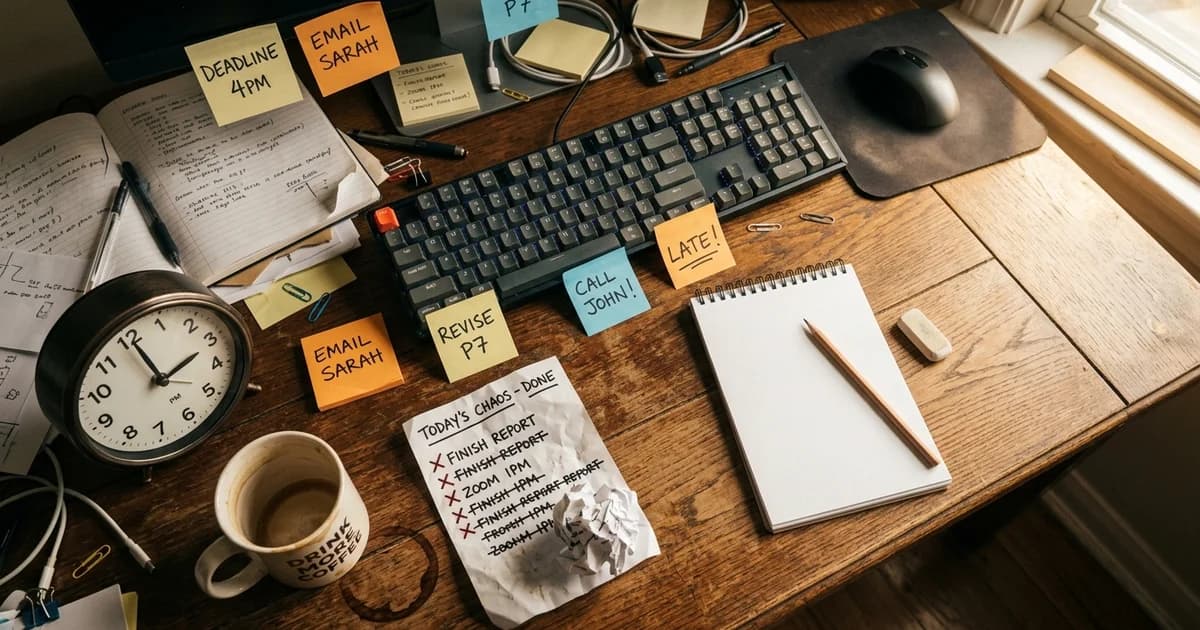
The clearest sign of decision fatigue is that small choices start to feel disproportionately exhausting. You can knock out a hard analytical task in the morning, then stall completely on whether to reply to an email at 3 p.m.
Watch for these decision fatigue symptoms:
- Procrastination on tiny choices. You leave the cursor blinking because picking feels like too much.
- Impulsivity. You grab the first option to make the discomfort stop, not because it's best.
- Avoidance. You punt the decision to tomorrow, or to someone else.
- Defaulting to "no" or "later." Like the judges, your safe answer becomes the easy one.
- Mental flatness. That foggy, brain fried from too many decisions feeling where nothing lands clearly.
- Irritability over trivial things. "What's for dinner?" triggers a reaction it doesn't deserve.
None of these mean you're broken. They mean your decision budget is running low and your brain is rationing what's left.
How to Beat Decision Fatigue: 7 Tactics That Work
The way to beat decision fatigue is to make fewer decisions and to make the important ones early. You protect a finite resource by spending it deliberately instead of leaking it on low-value choices all day.
Here's how to do that.
1. Decide the big things first
Your judgment peaks early. Front-load the decisions that actually move your day, before the small stuff drains the tank. The judges data shows the same logic: the first rulings of a session were the most generous and considered.
2. Batch similar decisions
Group like with like. Answer all your emails in two blocks instead of reacting all day. Plan the week's meals on Sunday. Every context switch is a fresh decision cost, so stop switching.
3. Automate the trivial
Steve Jobs and Barack Obama famously wore near-identical outfits to remove a daily choice. The principle holds: a fixed breakfast, a default workout time, and a standing grocery list erase dozens of micro-decisions before they ever reach you.
4. Protect your glucose and your meals
Whatever the exact mechanism, the practical lesson from the judges holds. Favorable rulings recovered sharply right after a food break. Skipping lunch to "power through" is how you turn an afternoon into a write-off. Eat real food, on a schedule.
5. Build a "decided once" rulebook
Make rules so you don't remake the same call repeatedly. "I don't take meetings before 10." "I don't check Slack after 7." A standing rule converts a hundred future decisions into zero.
6. Cut the option overload
More choices feel like freedom and behave like a tax. Narrow your menus. Pick from three good options, not thirty. The goal is fewer high-quality choices, not infinite mediocre ones.
7. Stabilize your focus chemistry
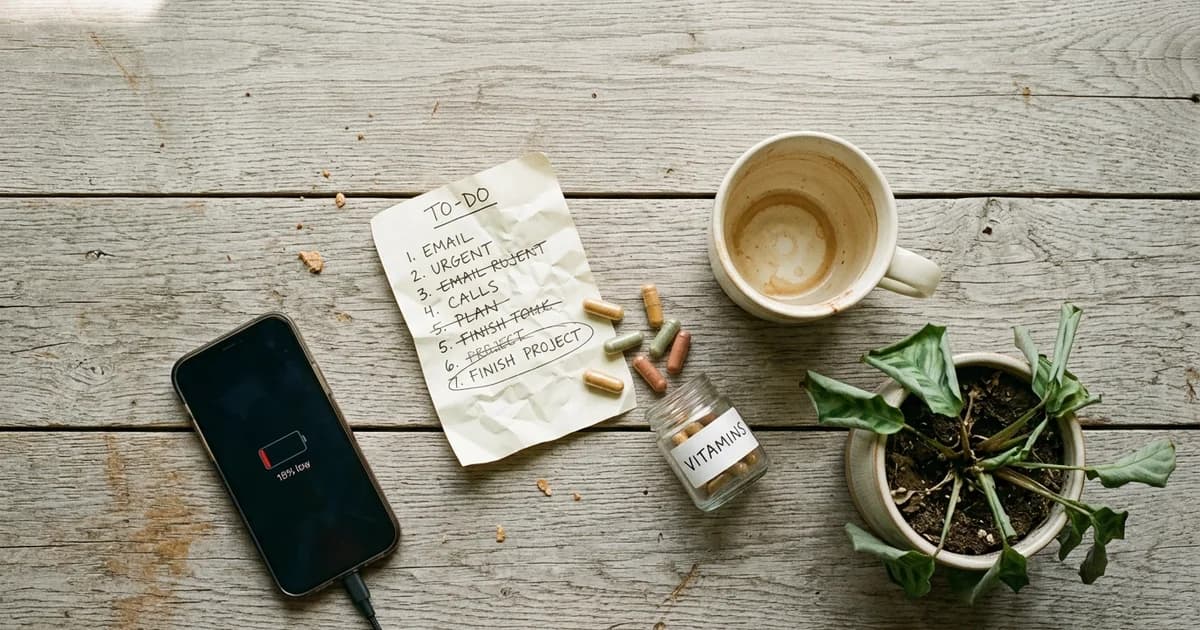
Caffeine helps, but the afternoon spike-and-crash often deepens the fog it was meant to fix. A steadier input matters. This is where the ingredients you pair caffeine with become the difference between sharp and scattered, which brings us to the science of sustained focus.
The Caffeine Problem in the Afternoon
Most people fight decision fatigue with a second or third coffee, and that's exactly where it backfires. A big caffeine hit at 2 p.m. can produce a short lift followed by a harder crash, right when you still have decisions to make.
The fix isn't more stimulation. It's smoother, longer stimulation paired with something that smooths the edge. That's the case for combining caffeine with L-theanine, an amino acid in tea.
A study in Nutritional Neuroscience found that the combination of L-theanine and caffeine improves cognitive performance and increases subjective alertness. The theanine takes the jagged edge off the caffeine while preserving the alertness, which is what you want for sustained, clear-headed choices.
There's a second piece. Two compounds from the kola nut and tea family, methylliberine and theacrine, extend that effect. According to a human pharmacokinetic study on medRxiv, theacrine exerts psychostimulatory action similar to caffeine through the adenosine and dopamine pathways, but unlike caffeine, theacrine does not appear to be associated with tolerance. Steady focus without needing a bigger dose next week.
A quick comparison of afternoon focus options
| Option | Onset | Duration | Crash risk | Tolerance buildup |
|---|---|---|---|---|
| Black coffee (2nd/3rd cup) | 30-45 min | 3-4 hrs | High | Yes |
| Energy drink | 20-30 min | 2-4 hrs | High (sugar + caffeine) | Yes |
| L-theanine + caffeine combo | 30-45 min | 4-6 hrs | Low | Some |
| Roon sublingual pouch (caffeine + L-theanine + Dynamine + TeaCrine) | 5-10 min | 6-8 hrs | Low | Low (theacrine resists tolerance) |
| Doing nothing | n/a | n/a | n/a | n/a |
The takeaway isn't "take more." It's "take something that lasts and doesn't betray you at 5 p.m."
Protect the Hours That Actually Count
Decision fatigue is predictable, which means it's defensible. The people who stay sharp at 3 p.m. aren't blessed with bottomless willpower. They've engineered their day to spend fewer decisions and protect the ones that matter, deciding early, batching the rest, and refusing to let trivial choices bleed their clarity dry.
Treat your judgment like the finite resource it is. Structure beats grit, and a steady input beats a frantic one.
Frequently Asked Questions
What causes decision fatigue?
Decision fatigue comes from making many decisions in succession, which gradually depletes the mental resources you use for self-control and judgment. Baumeister's research tied the effect to low glucose levels, finding that replenishing them restored the ability to make effective decisions. The exact mechanism is still debated, but the behavioral pattern, weaker choices after a long run of choices, is well documented across real-world settings.
Is decision fatigue a real medical condition?
It's a documented psychological phenomenon, not a diagnosed medical disorder. It describes a normal decline in decision quality, not an illness. The strongest evidence comes from field studies like the judges' parole rulings, where the same experts made measurably worse default choices later in each session before resetting after a break.
What are the most common decision fatigue symptoms?
The clearest decision fatigue symptoms are procrastination on small choices, impulsive snap decisions, avoidance, defaulting to "no" or "later," irritability over trivial questions, and that foggy, brain fried from too many decisions feeling. If a tiny choice in the afternoon feels harder than a complex task you handled that morning, your decision budget is likely running low.
How do I beat decision fatigue at work?
To beat decision fatigue, make your most important decisions early, batch similar tasks into blocks, automate trivial choices with defaults and rules, and protect your meal and break schedule. Reducing the sheer number of choices you face is more effective than trying to power through with willpower, which is the resource decision fatigue depletes in the first place.
Does caffeine help or hurt decision fatigue?
Caffeine can help short term, but a large afternoon dose often causes a spike and crash that deepens the fog later. A smoother approach pairs caffeine with L-theanine. Research found that combining L-theanine and caffeine improves cognitive performance and increases subjective alertness, giving you cleaner alertness without the same jittery peak and drop.
Why do I feel mentally fried specifically by 3 p.m.?
By mid-afternoon you've already made thousands of choices and likely had a caffeine peak that's now wearing off. With adults making more than 35,000 decisions per day, the cumulative drain hits hardest after lunch, especially if you skipped a real meal or relied on a sugary energy drink that crashed.
Can a break really restore my decision-making?
Yes. The judges study is the clearest example. Favorable rulings averaged about 65% right after a food break and dropped toward zero by the end of each session, then recovered after the next break. A genuine pause with food appears to reset your capacity, which is why "powering through" without breaks usually backfires.
When You Can't Afford the 3 p.m. Crash
You've built the structure. You decide early, you batch, you eat real lunches. The last variable is your focus chemistry, and that's the gap a second cold brew tends to widen rather than close.
This is the exact moment Roon is built for. It's a zero-nicotine sublingual pouch with a four-ingredient stack: 80 mg caffeine, 60 mg L-theanine, 25 mg methylliberine (Dynamine), and 5 mg theacrine (TeaCrine). It absorbs in 5 to 10 minutes and is designed for 6 to 8 hours of sustained focus with no jitters and no crash, because the theacrine resists the tolerance buildup that pushes you toward bigger doses over time.
To be clear about what it isn't: a pouch won't fix a skipped lunch, lost sleep, or a calendar with 40 decisions stacked into one afternoon. Fix the structure first. When you've done that and still need clean, steady clarity for a high-stakes block, try Roon instead of another coffee that fades before the work does.
Written by Roon Team